 Where Integrated Care Meets the Classroom: Kathleen McDonald-Gilfert on Bringing Behavioral Health Into Rural Schools
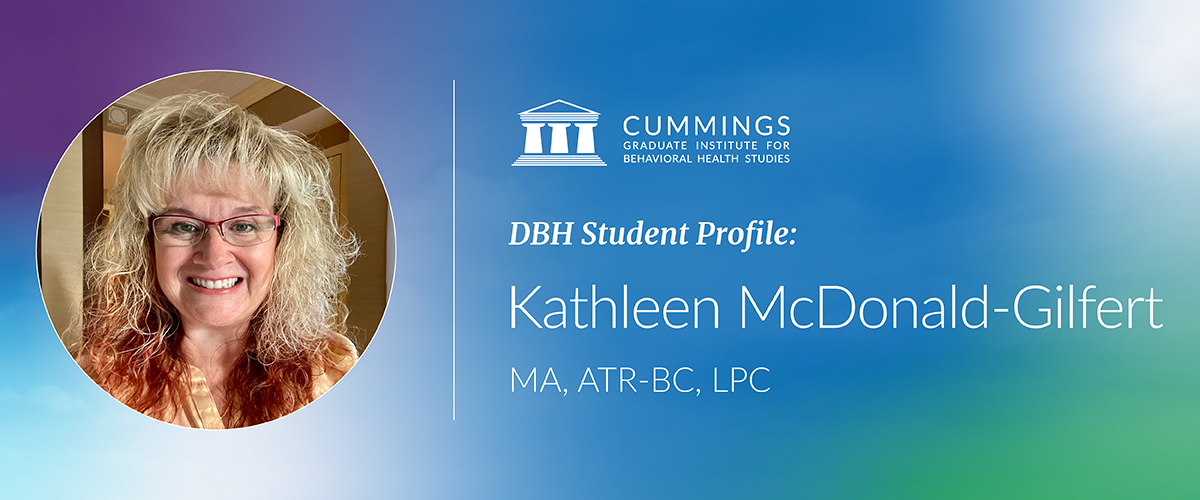
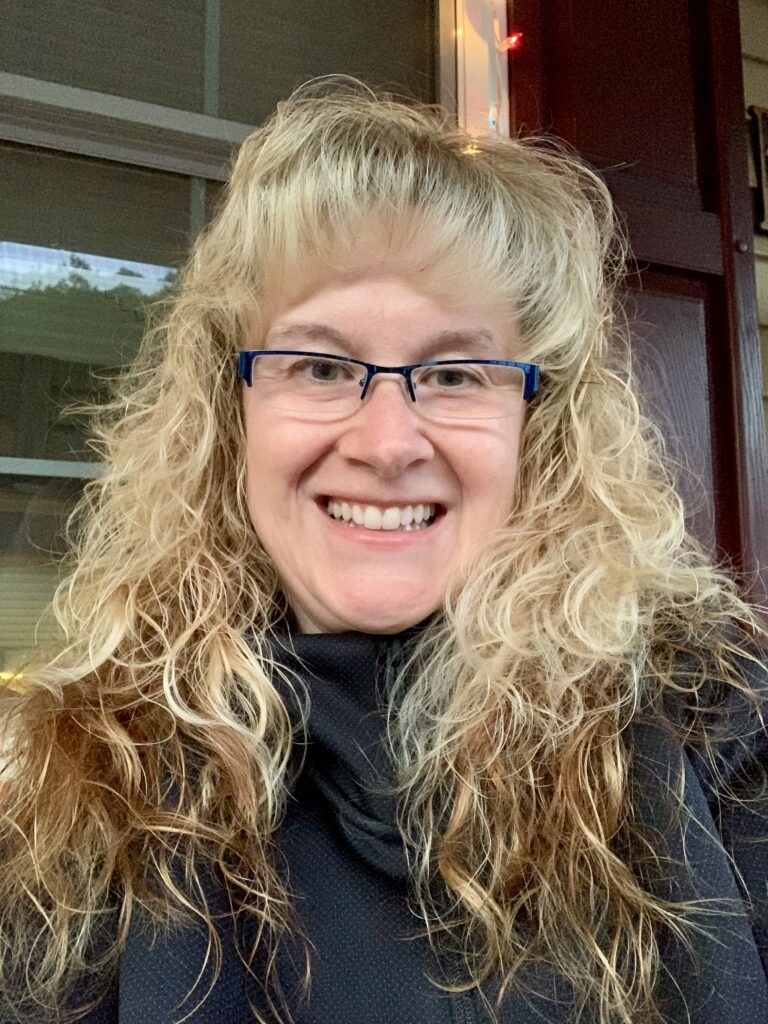
Kathleen McDonald-Gilfert is a licensed professional counselor and board-certified art therapist with more than 27 years of clinical experience, including 17 years in private practice serving individuals and families in rural communities. She currently serves as an elementary school counselor in a rural district, where she integrates trauma-informed, creative, and art-based interventions to support K–6 students. Kathleen is pursuing a Doctor of Behavioral Health (DBH) while concurrently completing a master’s degree in school counseling, with interests in trauma-informed care, integrated behavioral health, art therapy, and school-based mental health pathways for rural children. Through her doctoral work, she aims to develop evidence-informed, trauma-responsive programs that improve access to care, support student well-being, and advance health equity in under-resourced school communities. In this interview, Kathleen shares how the DBH program has expanded her perspective on systems-level change, the role of schools in advancing integrated care, and her commitment to improving behavioral health support for children in rural communities.
How has the DBH program influenced your approach to behavioral health?
The program trained me to think in terms of populations, not just individuals. I look at patterns, high-risk groups, and ways to improve access and outcomes for entire communities. I am more intentional about addressing social determinants of health, things like food insecurity, chronic illness, and trauma, especially when I am advocating for services.
I feel more confident stepping into leadership roles, whether that means helping a team build an integrated program or making the case for a new service. Courses on quality improvement have helped me think about outcomes, workflows, and sustainability.
Because of this program, I see my role as someone who can bridge gaps between mental health and medical care, especially with children. I feel better equipped to turn what I know into concrete projects and programs that can improve people’s lives.
What are your future career goals, and how do you envision the DBH program contributing to your success?
My primary professional and academic interests center on trauma-informed care and integrated behavioral health in school settings, especially for children growing up in rural communities. I am working on how chronic stress, poverty, food insecurity, and limited access to healthcare shape a child’s behavior and learning. Also, how schools can respond in ways that are both compassionate and practical. I’m also interested in creative, strength-based interventions, especially art-based and mindfulness approaches.They give children safe ways to express feelings they may not yet have words for. I’m learning how to evaluate programs, use data to make decisions, and work research into everyday school practices.
These interests correspond with my goal of serving as a behavioral health leader in a rural elementary school where the counselor often acts as the main mental health professional for children and families.I want to design a program that reduce barriers to care by bringing support directly into the school day, rather than expecting families to travel for services they may not be able to afford or access. My long-term goal is to develop a program and advocate for children so that rural schools become the center of whole-child and family care. This will not only be a place where academics happen, but where children can heal and feel seen.
Can you share an experience that shaped your understanding of integrated behavioral healthcare?
The biggest turning point in my DBH journey happened last year during my career change, when I stepped into the role of K-6 school counselor serving over 600 children. Almost immediately, integrated care stopped being an academic idea and became a daily reality. I wasn’t just thinking of individual “patients” in a healthcare setting anymore; I was thinking about real children, in real classrooms, whose behavior, learning, health, and home lives were all tangled together. I saw how limited it was to look at behavior in isolation. I had to think about teachers, families, pediatricians, and community resources as a part of one shared care system.
My trauma class deepened this mindset shift in a way I didn’t expect. I always believed in the power of art therapy, but I hadn’t fully grasped how combining art with mindfulness could be such a powerful form of integrated care for children. I started to see how the theory and what I was seeing in my students: fidgeting, shutdowns, outbursts, and defiance, were really survival responses. That experience changed my perspective on integrated care: it’s not just about professionals coordinating behind the scenes, it’s also about bringing together approaches, like trauma knowledge, mindfulness and art in one safe space where children can heal on multiple levels at once.
 What fuels your passion for advancing integrated behavioral health, and how do you stay motivated?
What motivates me the most is knowing how many children and families fall through the cracks simply because systems do not talk to each other. In a rural community, I see kids whose behavior and home stress are all connected, yet support is often hard to reach. That reality makes integrated care feel more like a responsibility. I want to be someone who helps link school, healthcare, and community resources so that children are not carrying adult sized issues alone.
I stay inspired by really looking at small, real moments of change. When a child who used to hide under a desk now uses a breathing tool or art activity to calm down, it reminds me why this work matters. I also keep learning, through classes, reading, supervision, and talking with my cohorts about integrated care and trauma-informed practice. Staying close to the stories of the kids and families I serve, and remembering their strengths, is what keeps my motivation grounded.
What advice would you give to prospective students or professionals considering the DBH program?
I’d tell them to be really honest with themselves about why they want the DBH and how they hope to use it day to day. This program isn’t just about getting another degree; it’s about learning to think differently. If you’re excited by the idea of learning about clinical work, healthcare, and program design, then that’s a good sign you’re in the right place. If you only want letters after your name, it will probably feel frustrating quickly.
I’d also like to say: be ready to stretch. The DBH asks you to care about things like data, pathways, and cost, alongside compassion and clinical skills. At first, it can feel uncomfortable, especially if you come from a traditional counseling or therapy background. But don’t turn away from that discomfort, it’s where you start to see how real change happens. Stay connected to your “why”, keep working with your setting and population, and use assignments as chances to build things you actually want to implement. And don’t do it alone: find a small group of classmates or colleagues to talk with about the stress, the self-doubt and most importantly, the wins. The support that CGI professors and staff provide makes all the difference.
Through her work with children and families in rural communities, Kathleen McDonald-Gilfert is bringing together decades of clinical experience with an expanding focus on integrated care, systems-level thinking, and behavioral health leadership. Her experience in the DBH program has strengthened her ability to look beyond individual interventions and consider how schools, healthcare providers, families, and community resources can work together to improve outcomes. As she continues her doctoral journey, Kathleen is applying what she learns to develop practical, trauma-responsive approaches that expand access to care and create stronger systems of support for children and families in under-resourced communities.