
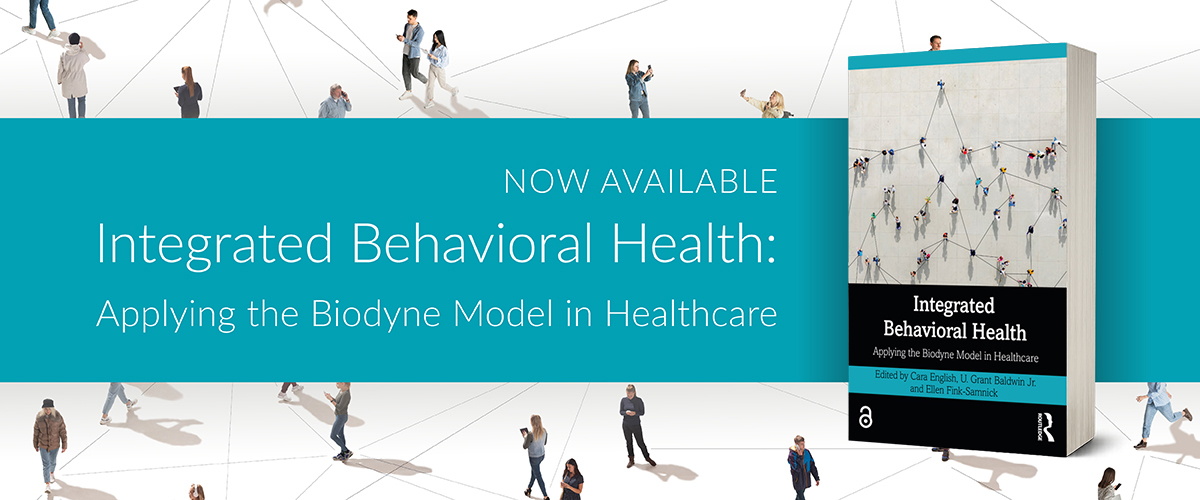
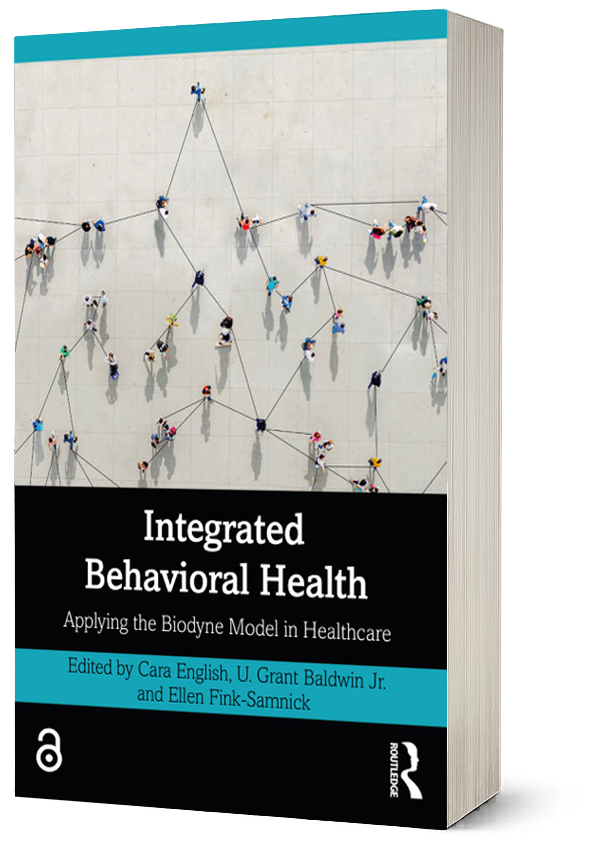
Promotional website banner for Integrated Behavioral Health: Applying the Biodyne Model in Healthcare. The banner includes turquoise and white text announcing the new book release alongside a 3D image of the book cover, set against a background of interconnected people representing healthcare collaboration and systems integration.

A New Resource for Integrated Care Leaders, Clinicians, and Healthcare Professionals

About the Book

Integrated Behavioral Health: Applying the Biodyne Model in Healthcare explores the evolving role of integrated behavioral healthcare in modern healthcare systems and presents practical, systems-oriented approaches for improving patient outcomes, collaboration, and whole-person care.

Edited by CGI academic leadership and contributors from the Doctor of Behavioral Health (DBH) community, the book brings together interdisciplinary perspectives on the challenges and opportunities shaping healthcare today. Through the lens of the Biodyne Model, readers are invited to examine how behavioral health, medical care, leadership, policy, and human systems intersect in real-world practice.

Inspired by the pioneering work of Drs. Nicholas and Janet Cummings, the text explores how the Biodyne Model continues to influence integrated behavioral healthcare, interdisciplinary collaboration, and systems-oriented approaches to whole-person care.

Healthcare systems are increasingly recognizing that behavioral health cannot be separated from physical health, social determinants, trauma, culture, or community context.

Yet many professionals continue to work inside fragmented systems that struggle to address the full complexity of human care.

This book examines these realities through an interdisciplinary and systems-based framework. Rather than presenting integrated care simply as a service model, it explores it as a philosophy of healthcare delivery grounded in collaboration, prevention, access, and whole-person care.

Readers are introduced to the Biodyne Model and its application across healthcare settings, leadership structures, and patient populations while examining the growing importance of behavioral health integration in addressing today’s healthcare challenges.

Built for Real-World Practice

Designed for clinicians, educators, healthcare administrators, students, policymakers, and integrated care professionals, the book emphasizes actionable strategies that move beyond theory and into practice.
Pre-Order Now

Save 20% with code 26SME2 on www.routledge.co.

A Publication Connected to the CGI Community

This publication reflects the collaborative academic and professional community of Cummings Graduate Institute for Behavioral Health Studies (CGI), a nonprofit, DEAC-accredited online institution dedicated to advancing integrated behavioral healthcare education.

All three editors serve in academic leadership roles at CGI, bringing expertise in integrated care, healthcare systems, behavioral health leadership, education, and interdisciplinary collaboration.

The majority of contributing authors are members of the CGI community, including Doctor of Behavioral Health (DBH) alumni, current students, faculty, and institutional leaders. Their combined perspectives represent the real-world application of integrated behavioral healthcare across clinical practice, healthcare leadership, education, policy, case management, and systems transformation.

Together, the editors and contributors showcase the growing impact of DBH-trained professionals helping shape the future of integrated, patient-centered healthcare.

Topics Explored in the Book

  • Integrated behavioral healthcare systems
  • The Biodyne Model in healthcare practice
  • Whole-person and population health approaches
  • Leadership in integrated care environments
  • Behavioral health consultation in medical settings
  • Healthcare systems transformation
  • Interdisciplinary collaboration
  • Access, equity, and social determinants of health
  • Behavioral health policy and systems thinking
  • Practical applications for clinicians and healthcare leaders
3D mock-up rendering of the paperback edition of Integrated Behavioral Health: Applying the Biodyne Model in Healthcare. The book features a turquoise and black cover design with an aerial image of people connected by lines, symbolizing integrated care and collaboration. The thick spine and visible page edges emphasize the book’s approximately 460-page length.

Meet the Editors

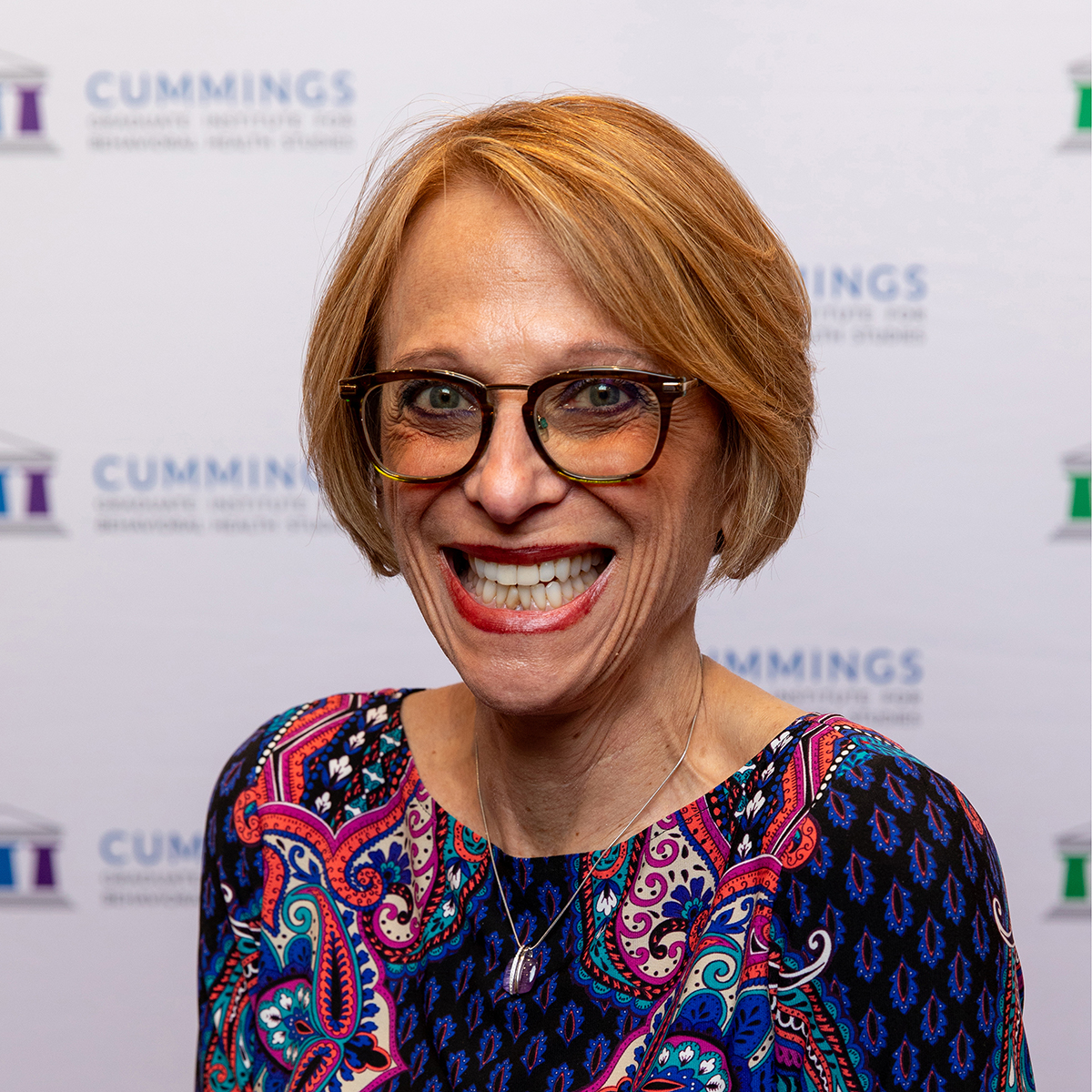
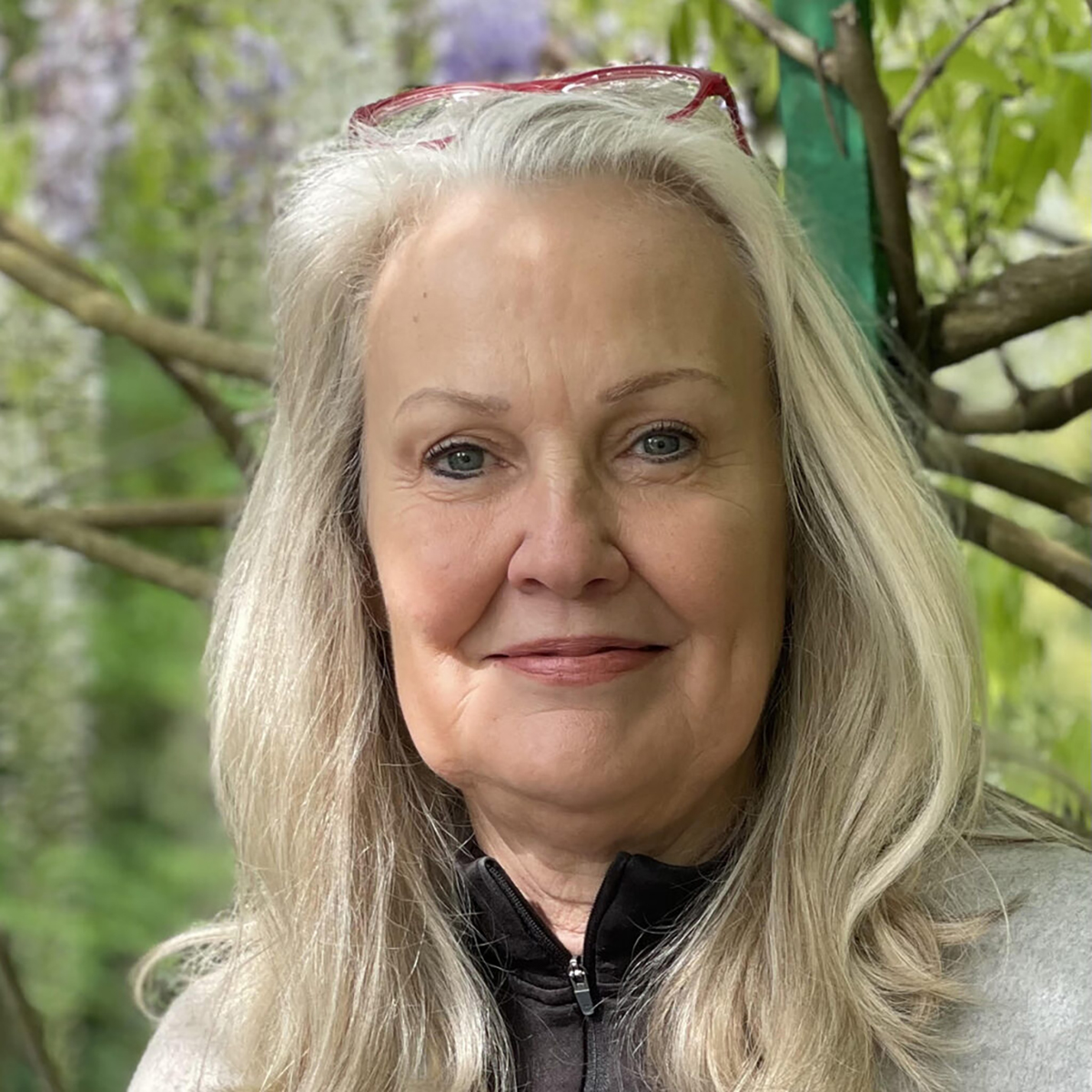
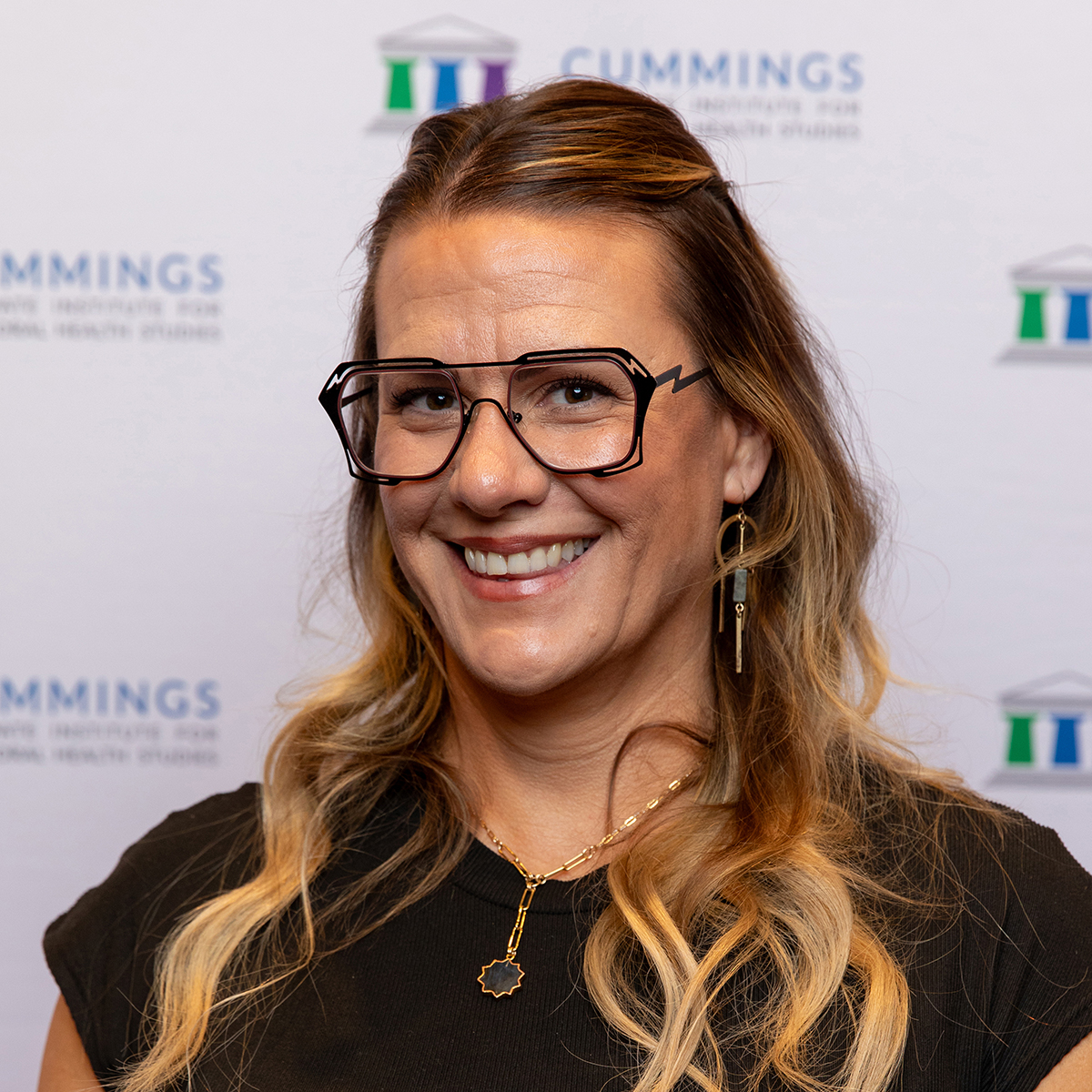
Photo of Dr. Cara English smiling wearing glasses in front of a CGI background

Dr. Cara English, DBH, MA, LAC, PMH-C

Dr. Cara English is the Chief Executive Officer and Chief Academic Officer of Cummings Graduate Institute for Behavioral Health Studies, an online institution specializing in doctoral and post-graduate training in integrated care. She leads strategy, academics, and mentorship, and has served the International Foundation of Integrated Care for a decade, including as SIG co-chair and journal editorial board member.

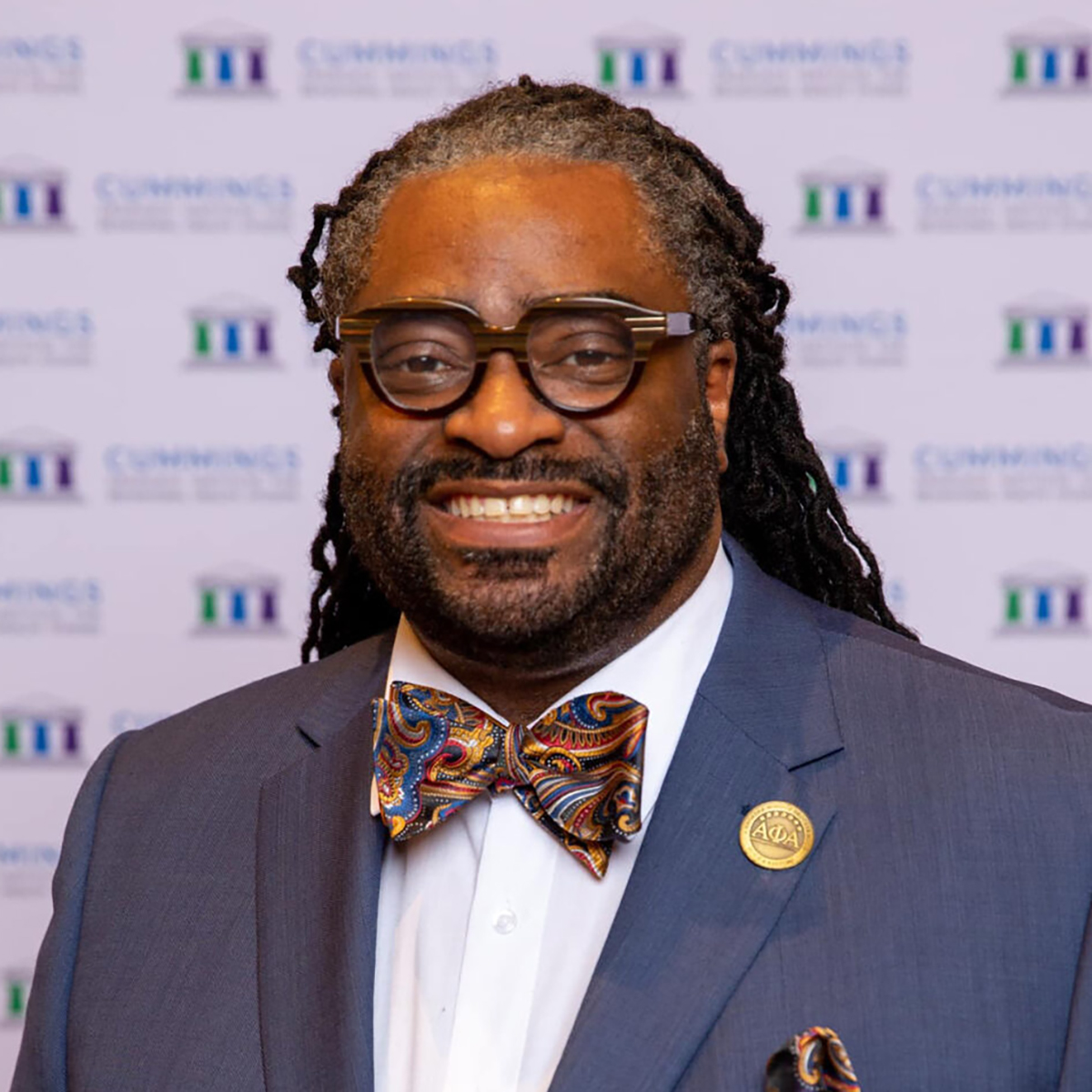
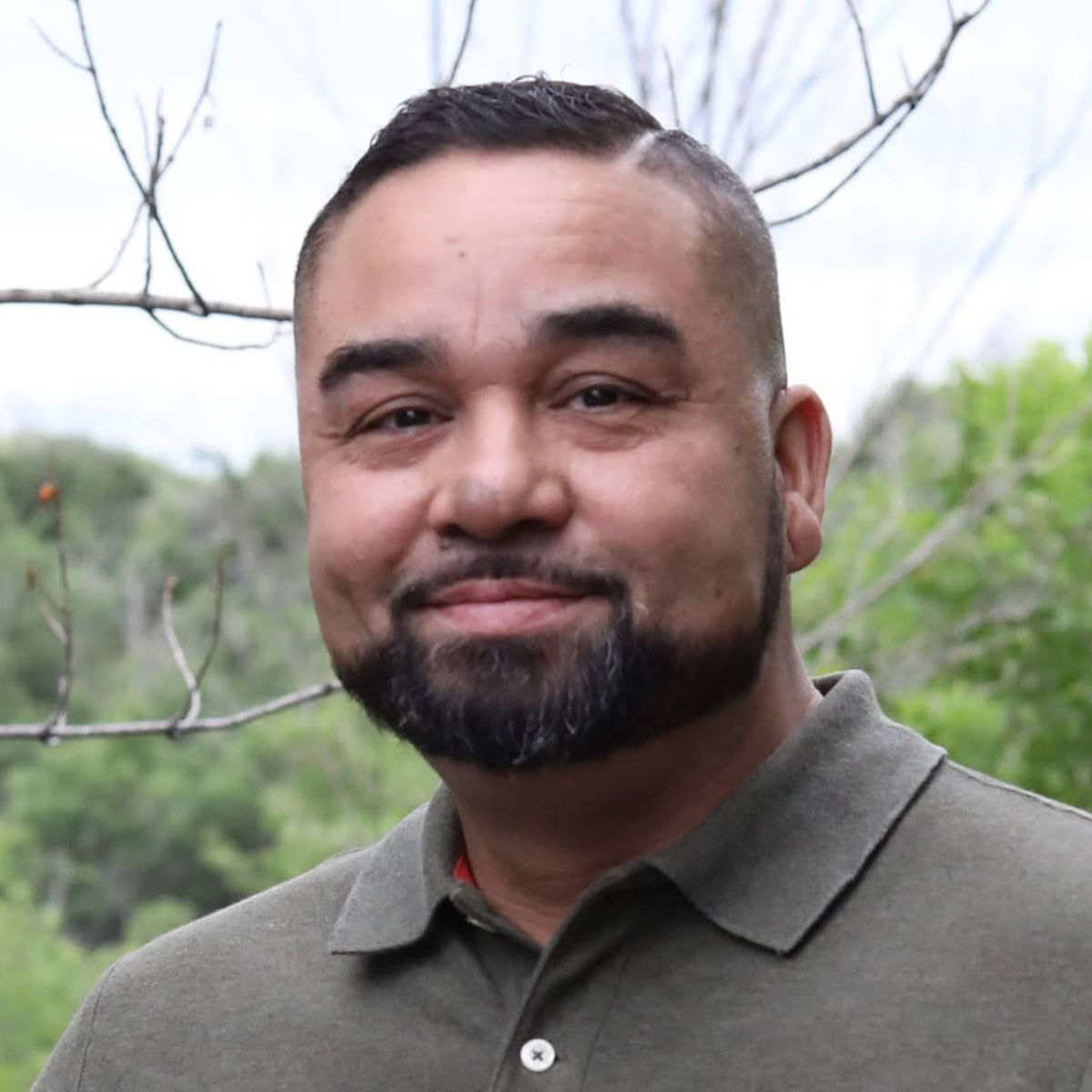
Dr. U. Grant Baldwin Jr., DBH

Dr. U. Grant Baldwin Jr. is a seasoned professional known for expertise in integrated healthcare management, Medicaid and Medicare administration, and organizational innovation. Currently serving as the Director of the DBH Program at Cummings Graduate Institute for Behavioral Studies, he also held positions of Adjunct Professor/Subject Matter Expert at The Morehouse School of Medicine, Fisk University and Arizona State University. He has held healthcare executive positions for agencies across the US.

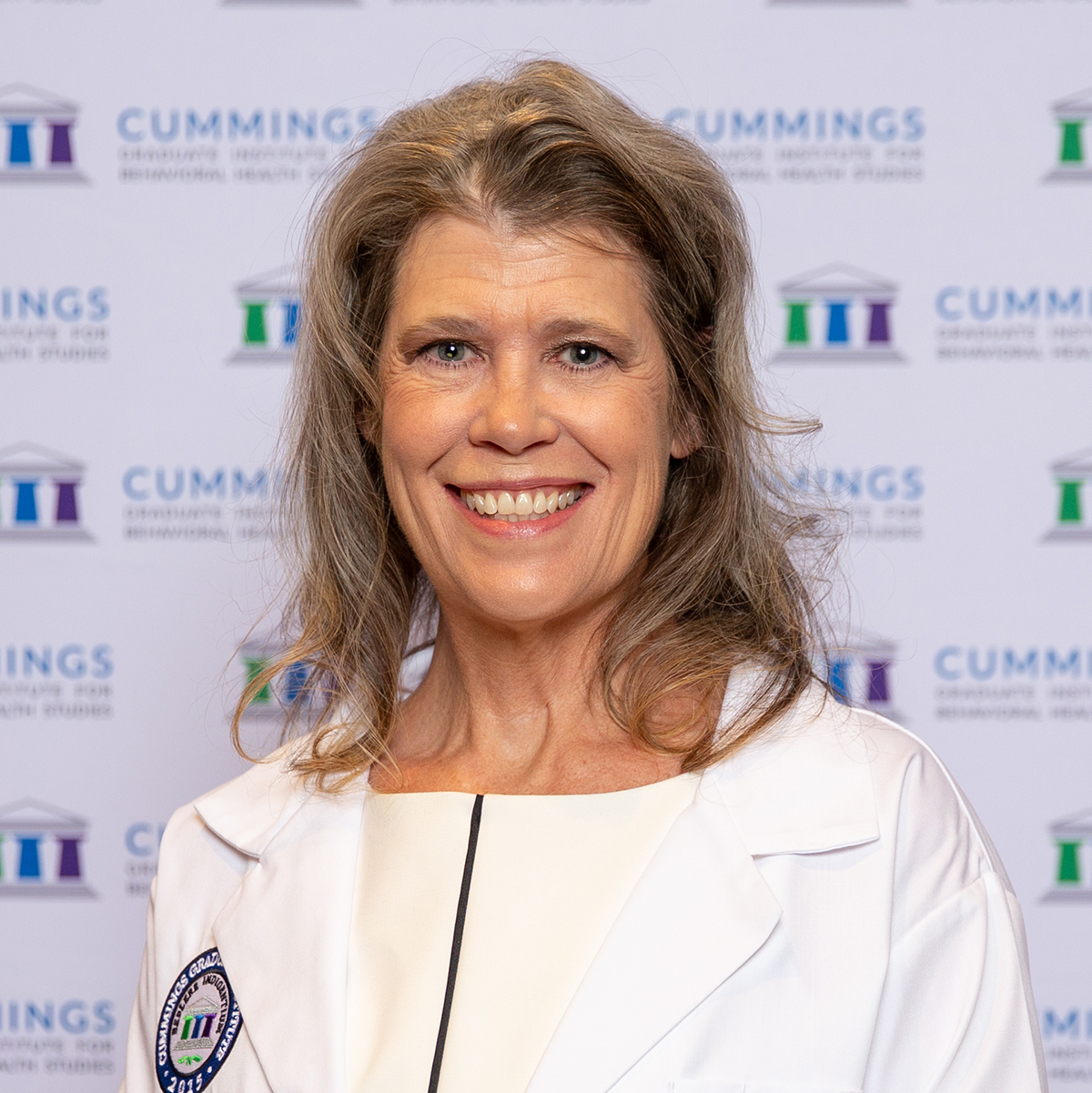
Dr. Ellen Fink-Samnick in front of a CGI background

Dr. Ellen Fink-Samnick, DBH, MSW, ACSW, LCSW, CCM, CRP

Dr. Ellen Fink-Samnick is an award-winning author, educator, and thought leader known for her critical focus on health equity, integrated care, interprofessional ethics, professional case management, quality, and trauma-informed leadership. She is a faculty member, academic advisor, and the IRB coordinator for Cummings Graduate Institute for Behavioral Health Studies. She has served as adjunct faculty for George Mason’s University College of Public Health, and the University of Buffalo’s School of Social Work. Dr. Fink-Samnick has served in national leadership and consultant roles across the healthcare industry.

Contributing Authors

Integrated Behavioral Health: Applying the Biodyne Model in Healthcare features contributions from an interdisciplinary group of clinicians, educators, healthcare leaders, researchers, and integrated care professionals committed to advancing whole-person healthcare.

Each contributing author brings unique expertise and real-world experience across behavioral health, medicine, healthcare leadership, education, policy, case management, population health, and systems transformation. Together, their perspectives reflect the collaborative and interdisciplinary nature of integrated behavioral healthcare.

This section highlights the professionals whose work and insights helped shape the book’s exploration of integrated care, the Biodyne Model, and the future of healthcare delivery.

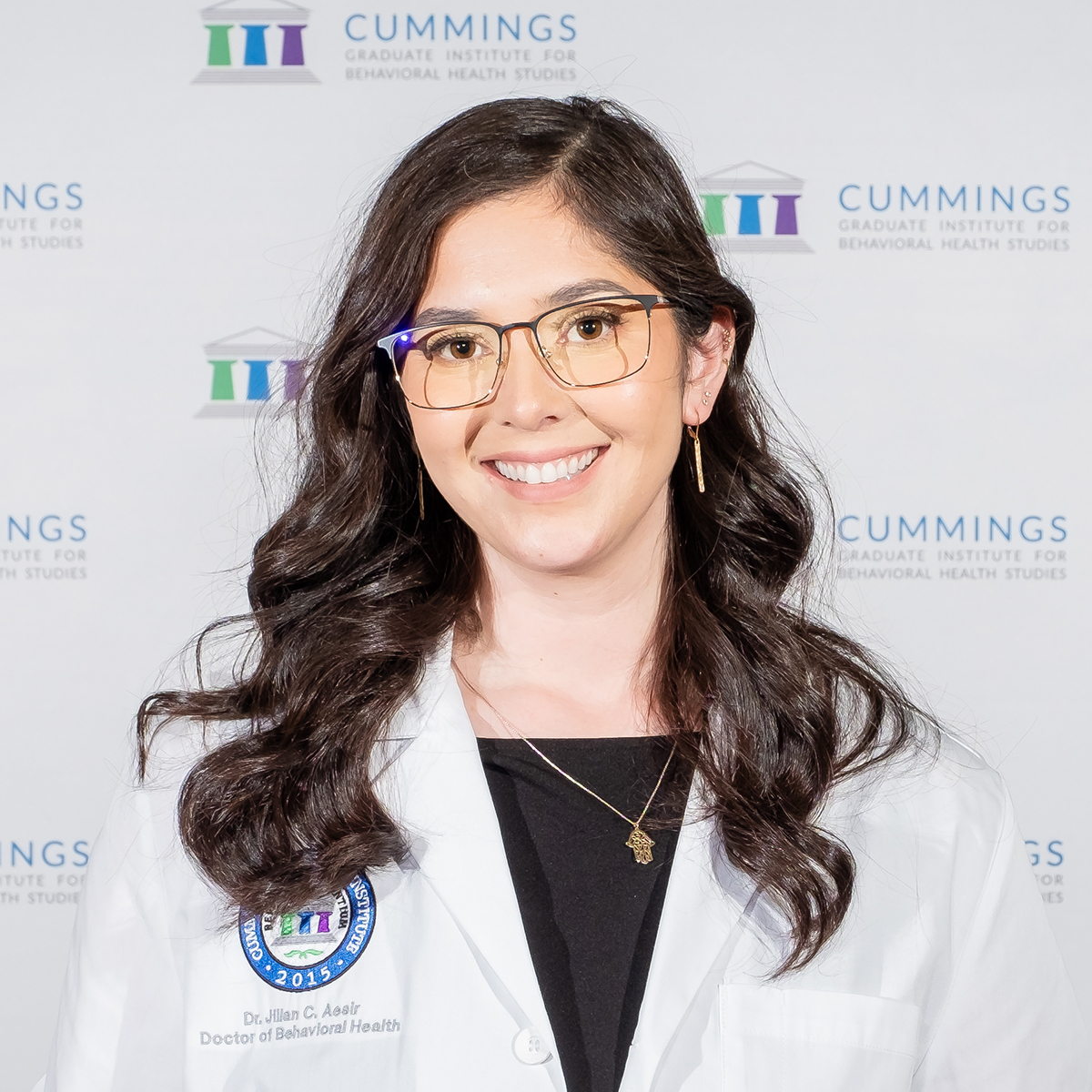
Dr. Jillian Aesir, DBH, M.Ed.

Dr. Jillian Aesir is a STEM educator to the Central Coast, California, Aesir’s professional aim is to empower secondary and post-secondary students in engaging in their scientific and medical educations to pave a strong path forward as change-makers and contributing members to a larger global society. Her doctoral research focused on: neuropathology, adolescent suicidality, and systems reorganization for optimized mental health service delivery through educational settings. She is an alumna of Cummings Graduate Institute for Behavioral Health Studies.

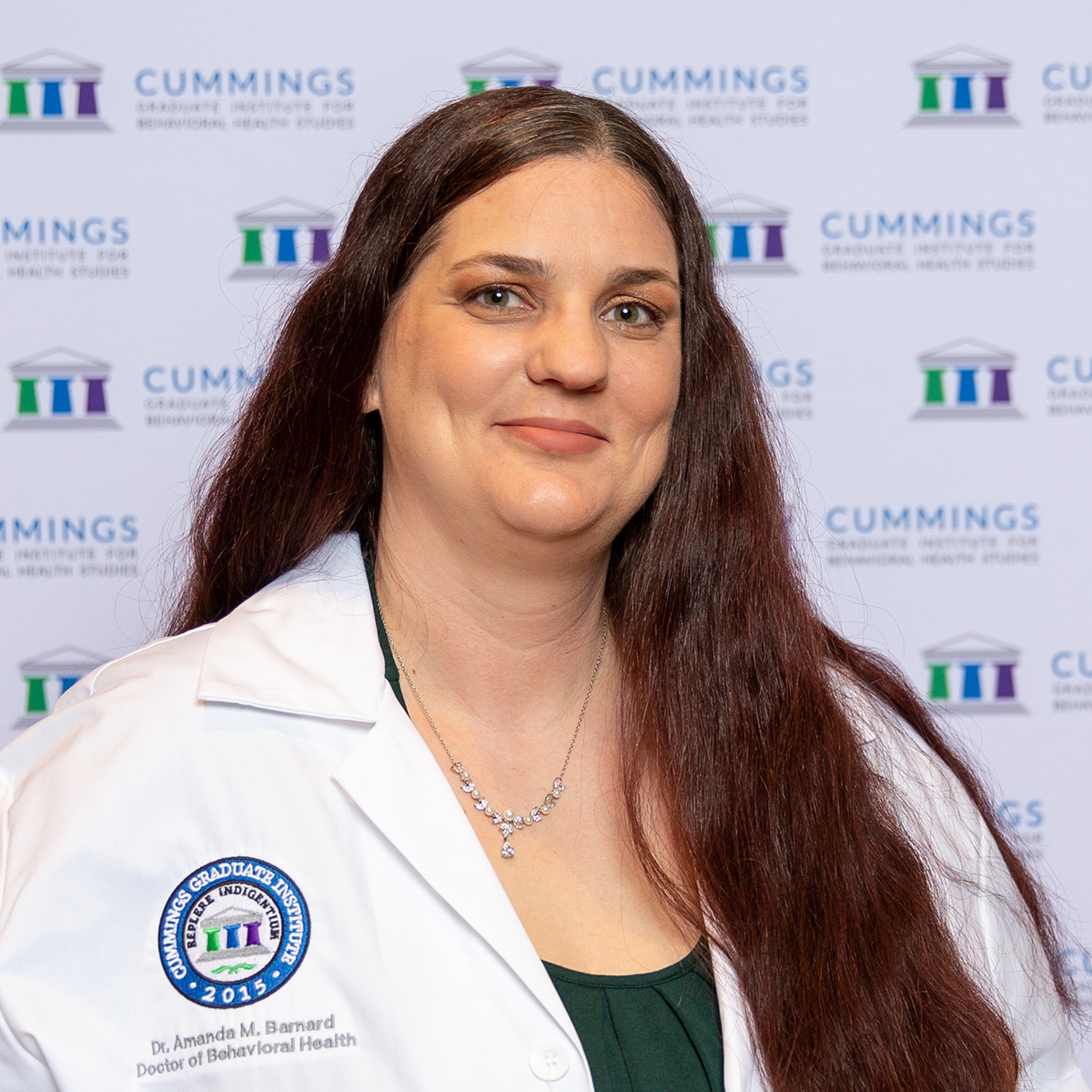
Dr. Amanda Barnard, DBH, LCSW

Dr. Amanda Barnard is the founder and owner of Kahanalo Counseling, LLC and a faculty member for Cummings Graduate Institute for Behavioral Health Studies. Research and practice interests include rural healthcare leadership, integrated behavioral health, trauma-informed care, workforce development, telehealth access, improving of care coordination and equity through underserved community initiatives. She is an alumna of Cummings Graduate Institute for Behavioral Health Studies.

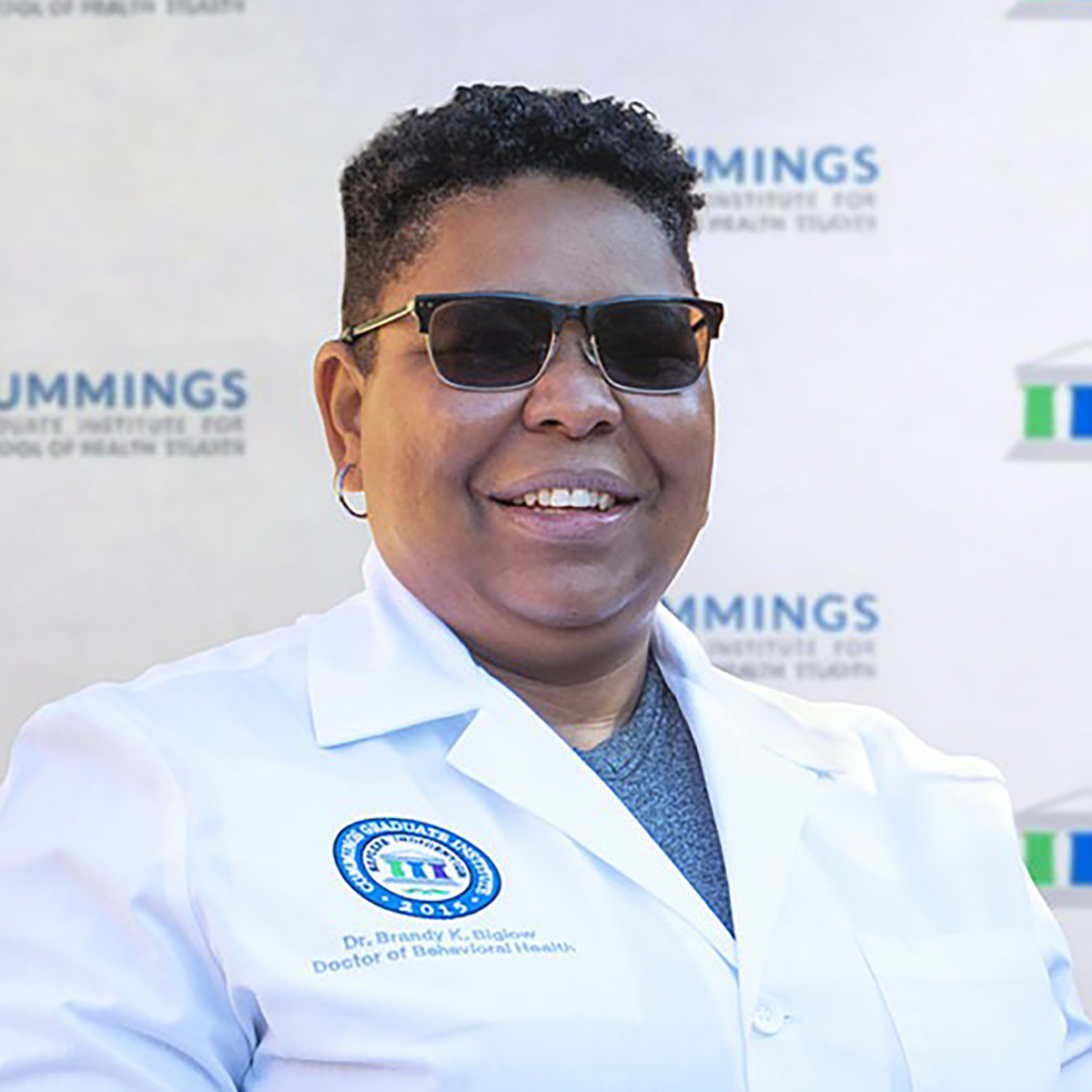
Dr. Brandy Biglow, DBH, LMHC, NCC, QS, CCTP

Dr. Brandy Biglow is the founder and principal consultant, coach, and counselor for Renovation Integrative Health, LLC. Her work focuses on integrated behavioral health in small and medium-sized practices, trauma-informed workplaces, and occupational burnout. Dr. Biglow is a Doctor of Behavioral Health graduate from Cummings Graduate Institute for Behavioral Health Studies.

Dr. Sonya K. Boone, DBH, MHSA, MSW, MSL, LCSW

Dr. Sonya K. Boone is a licensed clinical supervisor and Army Reserve Medical Officer. She specializes in integrated behavioral health, military healthcare advocacy and equity, and clinical education, with expertise in social work supervision, telehealth, and interdisciplinary curriculum development.

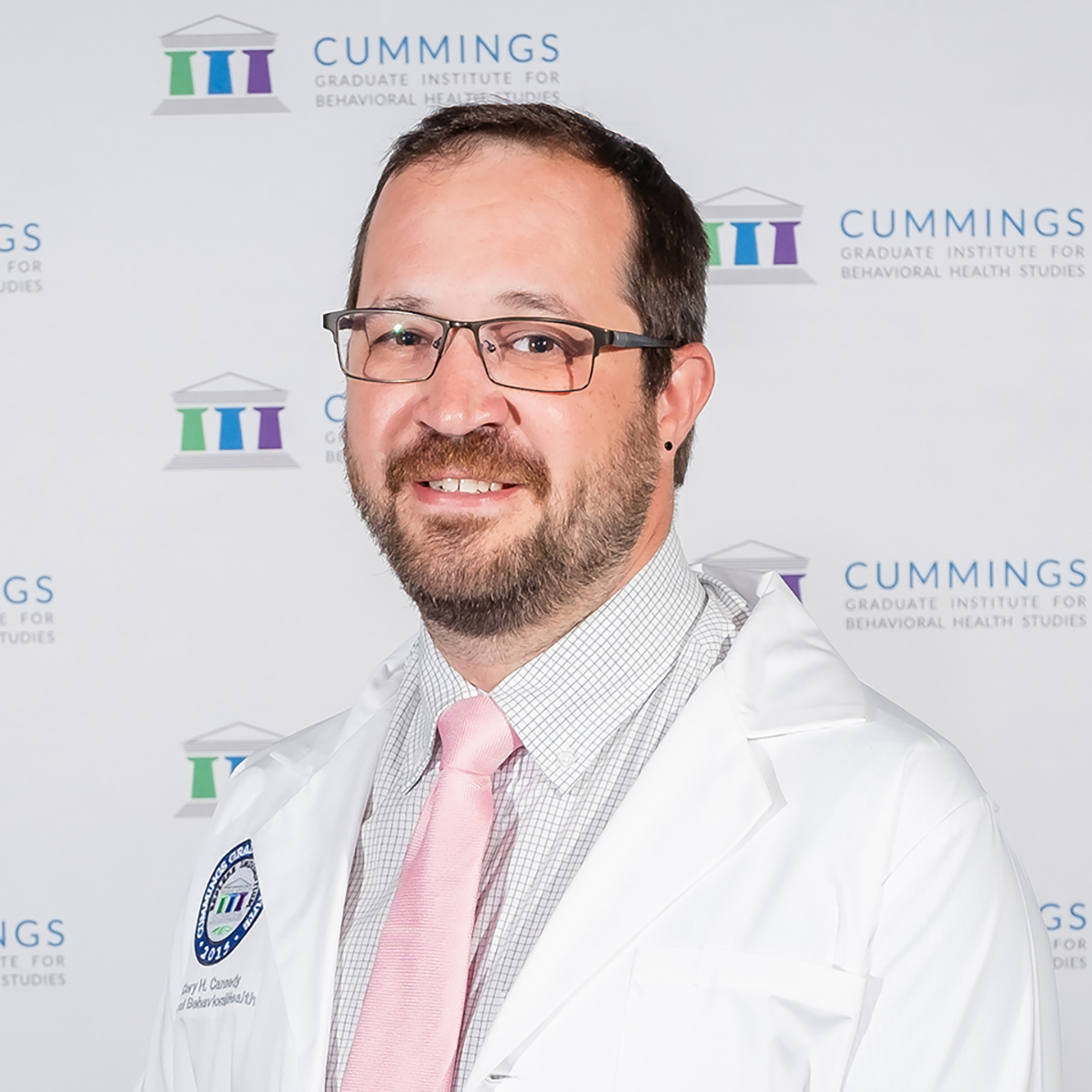
Dr. Cory Cannady, DBH, BCBA

Dr. Cory Cannady is Director of Clinical Services at Elevate Behavior Services.
His research interests include Autism, as well as in dosage, genetic and environmental factors and how they alter DNA. Dr. Cannady has also been instrumental in the advancement of credentialing for BCBAs across the industry, serving on national and other professional boards. He is an alumnus of Cummings Graduate Institute for Behavioral Health Studies.

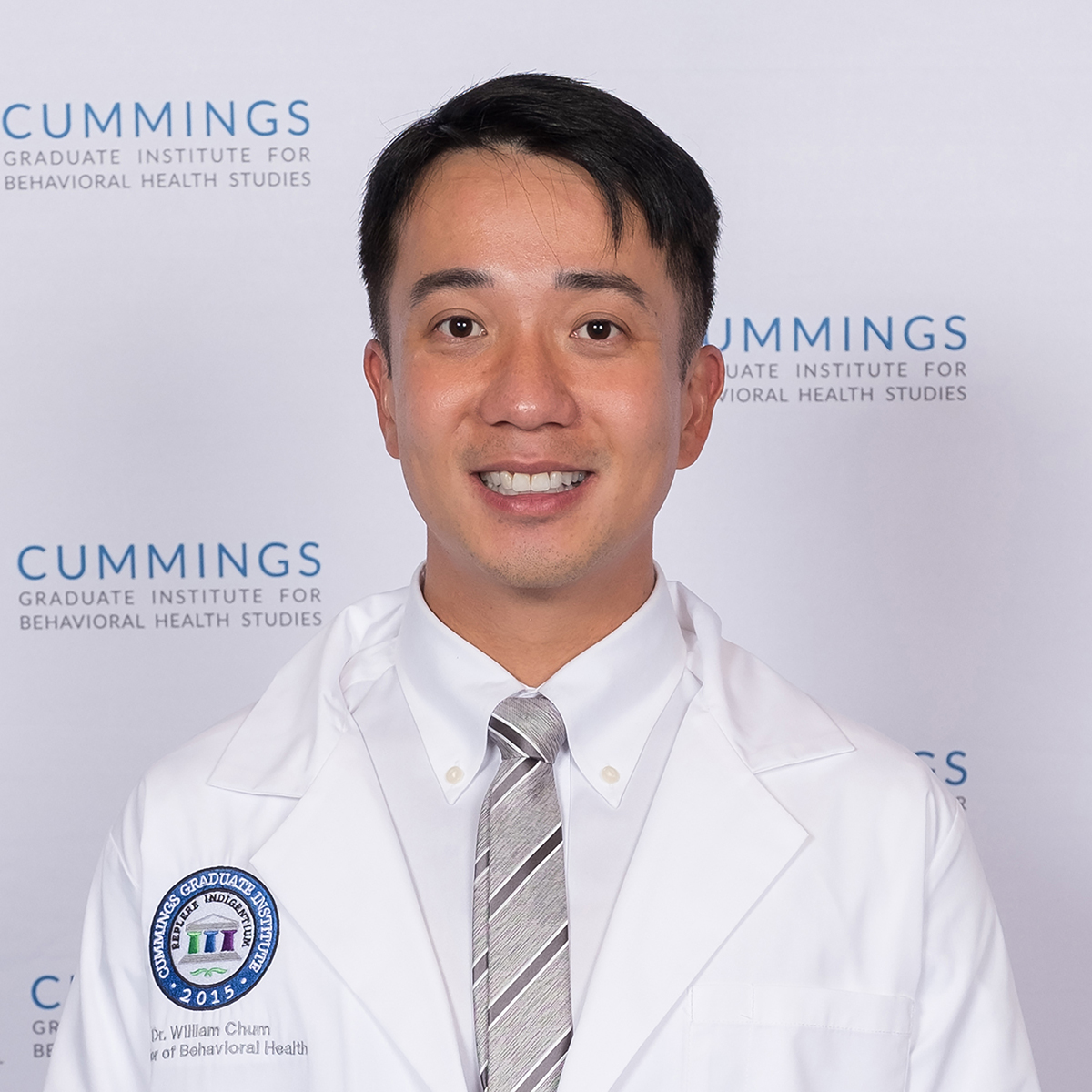
Dr. William Chum, DBH, LMHC

Dr. William Chum is a practicing Mental Health Counselor and Doctor of Behavioral Health with Woodside Mental Health. He is the founder of AANHPI Resilience Project, a nonprofit organization working towards mental health equity for Asian Americans. Dr. Chum’s research focuses on integrated care and culturally responsive practices and is an alumnus of Cummings Graduate Institute for Behavioral Health Studies.

Dr. Gayle Cordes, DBH, MBA, MC, LPC (retired), NBCC

Dr. Gayle Cordes is a trauma specialist and former psychotherapist with advanced EMDR certification. She has served on the EMDRIA Training Council. Dr. Cordes is a faculty member at Cummings Graduate Institute for Behavioral Health Studies, and instrumental in development of the trauma curriculum for the school’s Doctor of Behavioral Health program. Now in Pennsylvania, she continues consulting, coaching, and teaching in integrative trauma care.

Dr. Janet Cummings, Psy.D.

Dr. Janet Cummings is President of The Cummings Foundation for Behavioral Health and President of the Board of Directors and faculty member at Cummings Graduate Institute for Behavioral Health Studies. She is well-respected as an educator, trainer, and industry consultant on integrated care, The Biodyne Model, and interprofessional collaboration in the healthcare industry.

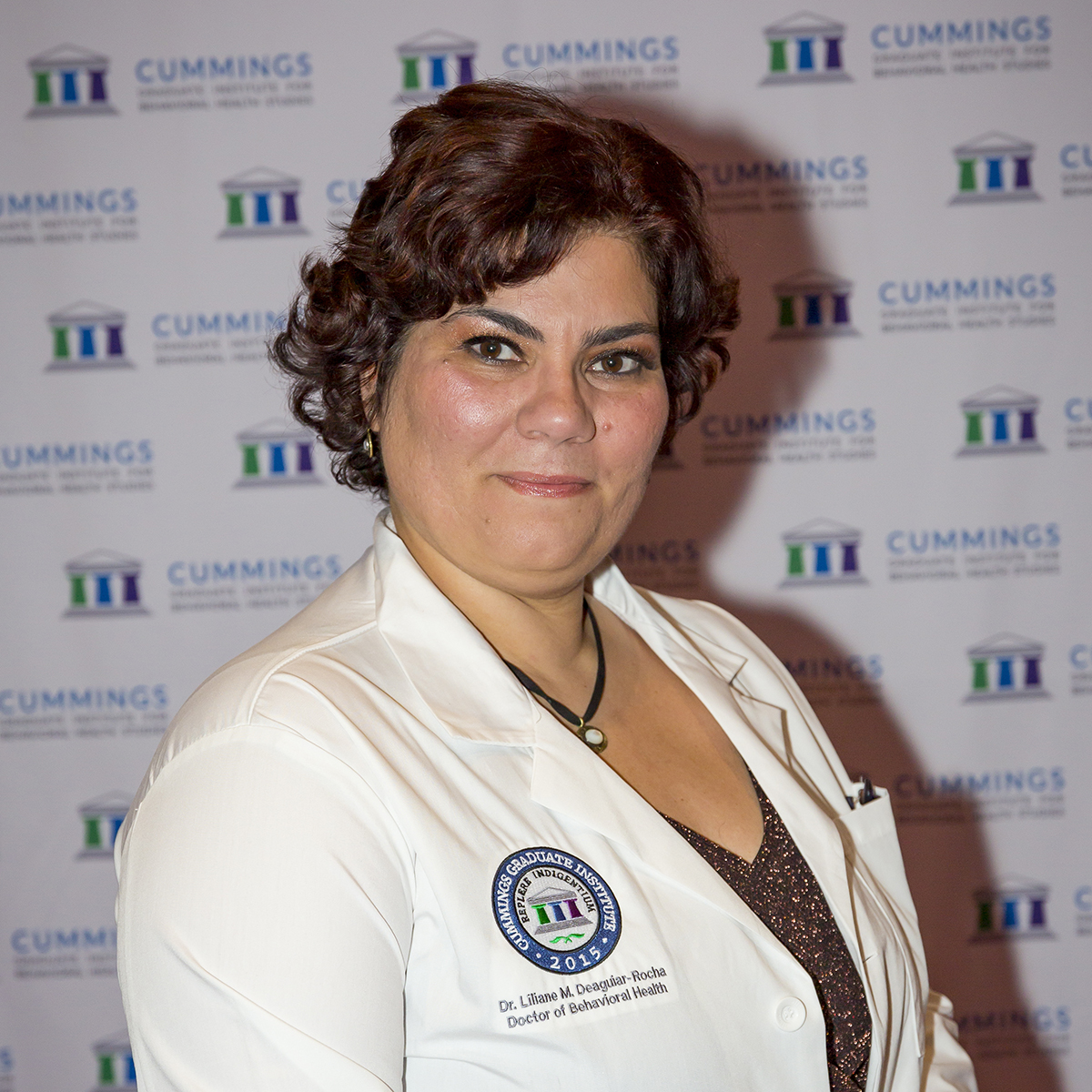
Dr. Liliane Deaguiar-Rocha, DBH, BCBA

Dr. Liliane Deaguiar-Rocha is an integrated care consultant and chief executive officer of The Behavior Web, which provides training and consultation to improve the quality of services in health care for persons with autism and severe mental illness. Focus is on use of practical large-scale behavioral economics strategies to person-centered, trauma-informed individualized interventions. Dr. Deaguiar-Roche is an alumna of Cummings Graduate Institute for Behavioral Health Studies.

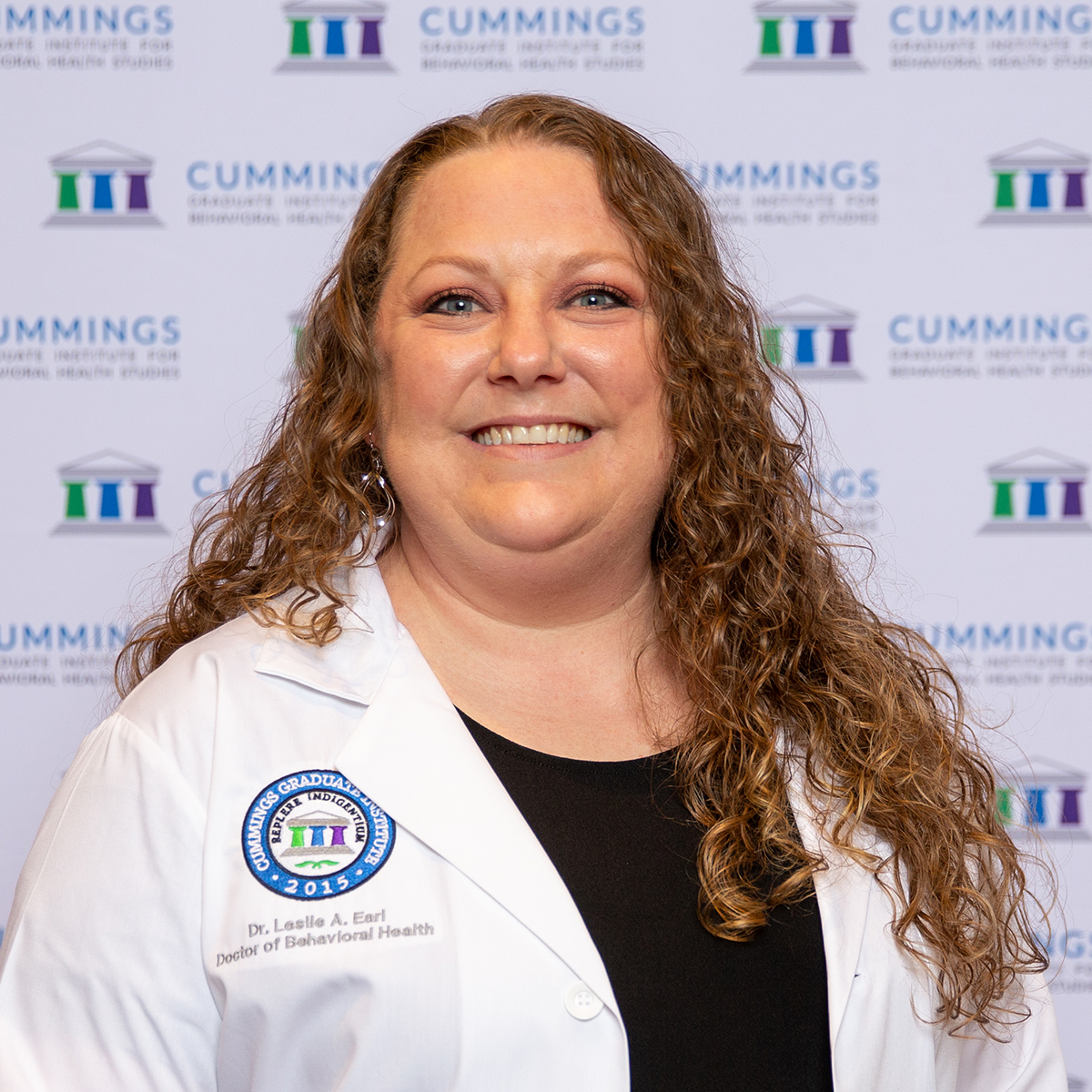
Dr. Leslie Allison Earl, DBH, LPC-S

Dr. Leslie Allison Earl is a certified integrated care specialist, women’s health specialist, trauma-informed care clinician, and clinical expert in autism spectrum disorder. Dr. Earl has been working with patients individually, in a family setting, and in couple’s counseling for over seven years providing evidence-based treatment across the lifespan. She is an alumna of Cummings Graduate Institute for Behavioral Health Studies where she is a faculty member and president of the school’s alumni association.

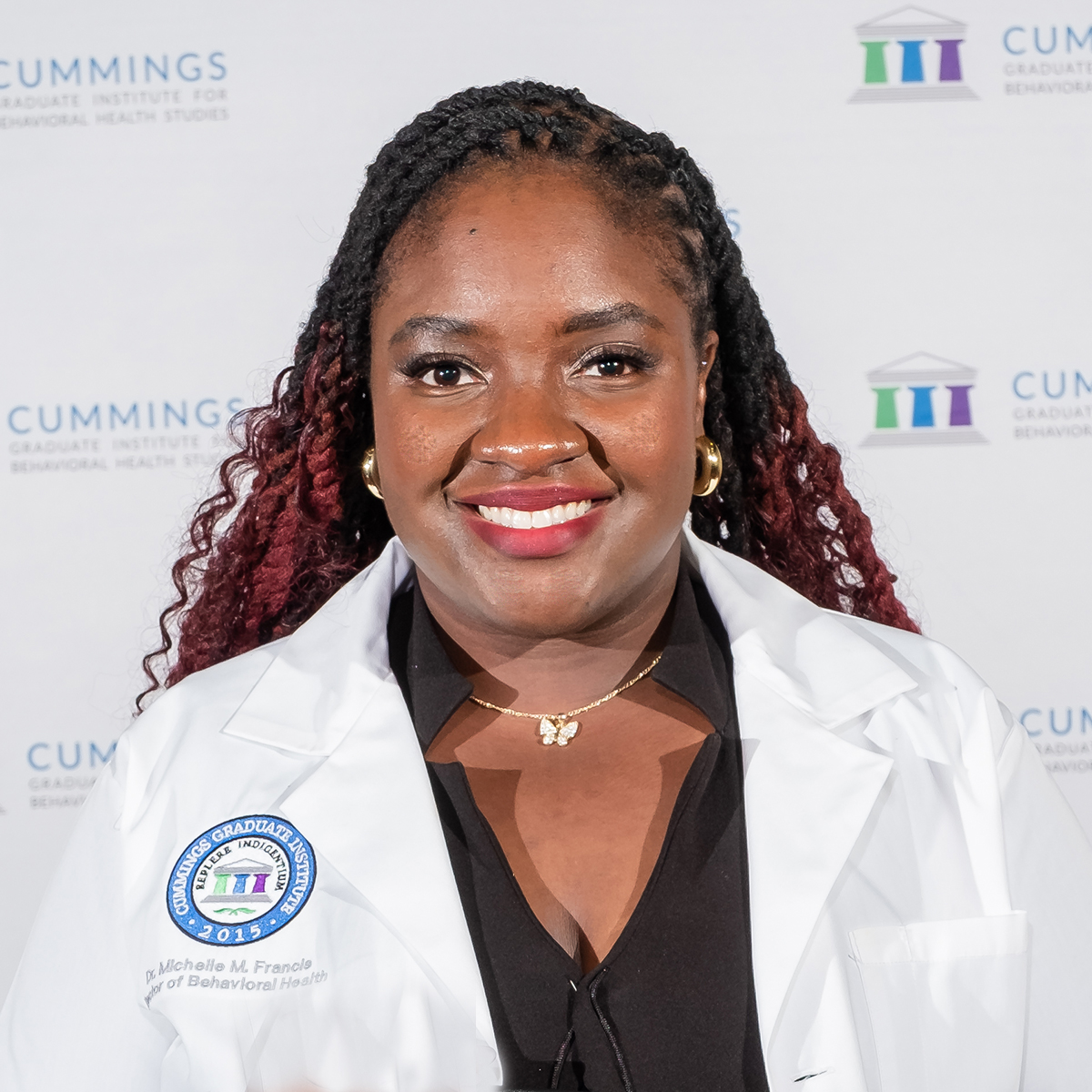
Dr. Michelle Francis, DBH, LCSW

Dr. Michelle Francis is founder and owner of Pinnacle Clinical Solutions, LLC. Dr. Francis is a multi-state, licensed mental health professional. She is dedicated to helping clients and master’s level social workers reach their pinnacle in both their personal and professional lives through compassion and culturally competent care. She is an alumna of Cummings Graduate Institute for Behavioral Health Studies.

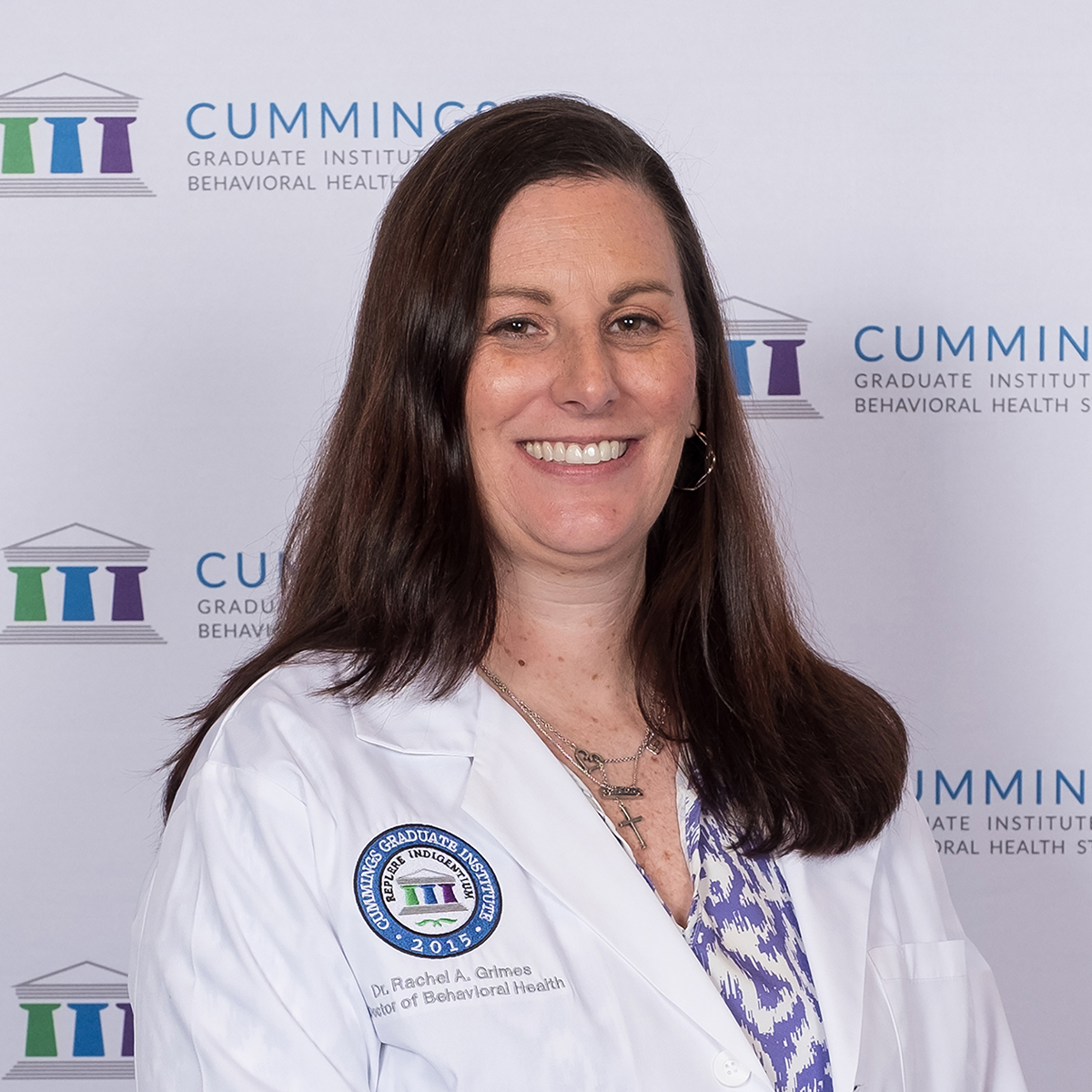
Dr. Rachel Grimes, DBH, LCSW

Dr. Rachel Grimes is the owner of Under the Oaks Counseling. She specializes in treating trauma across the lifespan. Dr. Grimes is an approved consultant and certified in both EMDR and TF-CBT. Dr. Grimes spent seven years working as the therapist in an accredited Cystic Fibrosis Center providing integrated healthcare services. She is an alumna of Cummings Graduate Institute for Behavioral Health Studies and also a faculty member.

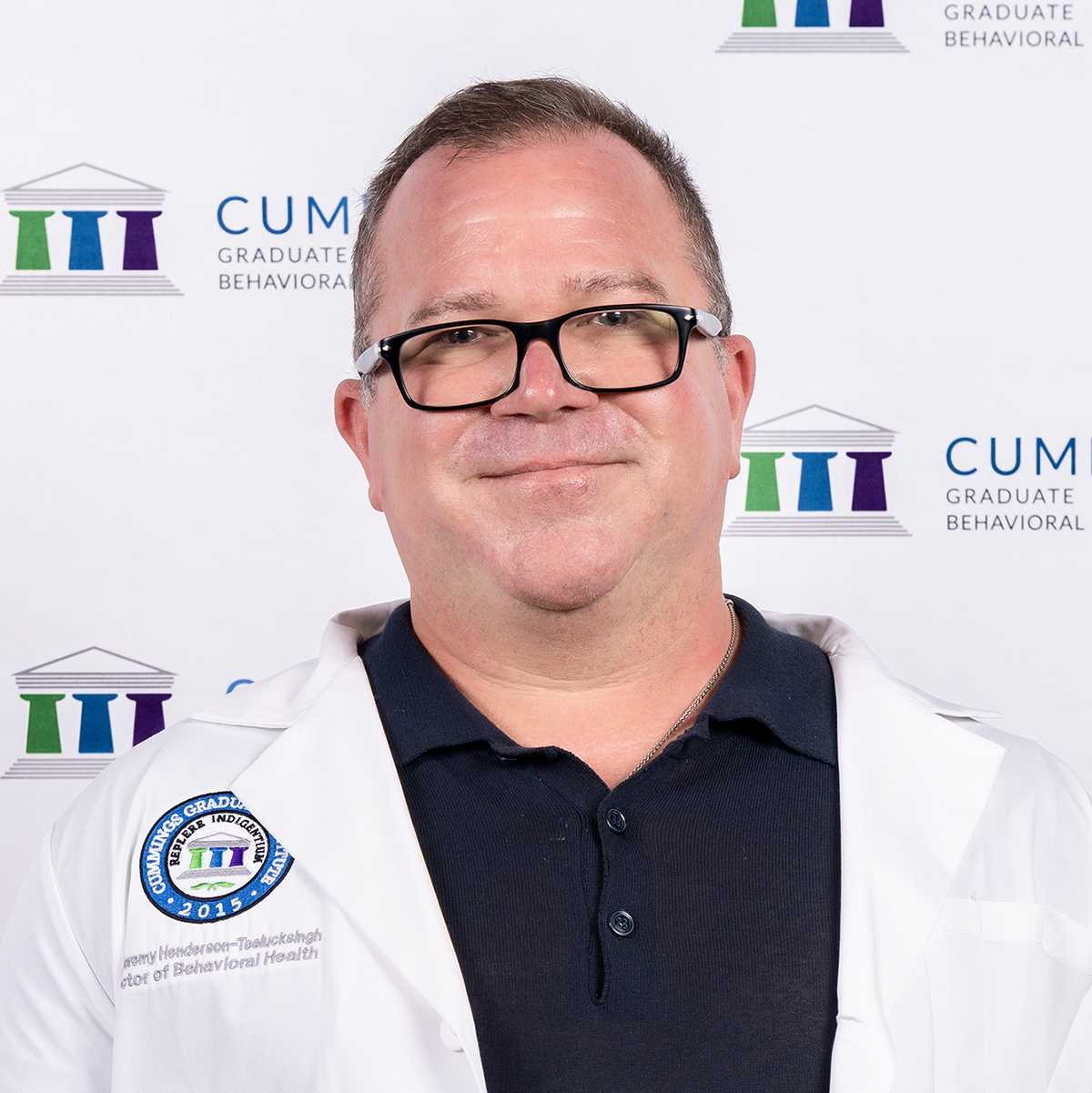
Dr. Jeremy Henderson-Teelucksingh, DBH, LPC-MHSP, LCMHC, NCC, CCMHC, BC-TMH

Dr. Jeremy Henderson-Teelucksingh is a Doctor of Behavioral Health graduate from the Cummings Graduate Institute for Behavioral Health Studies. Jeremy’s work focuses on integrated behavioral health in small and medium-sized practices, trauma-informed workplaces, and family abuse dynamics. Jeremy is Founder and Chief Wellness Partner at Indigo Path Collective

Dr. Melissa Johnson, DBH, MC, LPC

Dr. Melissa Johnson is a behavioral health provider and consultant for the integrated care industry and known for her expertise in infant mental health/maternal mental health. Dr. Johnson is an alumna of Arizona State University and has been active as educator, trainer, and clinical supervisor.

Dr. Ronke Komolafe, DBH, MBA

Dr. Ronke Komolafe is a healthcare innovator and executive leader recognized for advancing integrated behavioral, physical, and social health. As Founder and CEO of Advancing Integrated Health, she drives transformation through technology, AI, and value-based strategies that improve outcomes and reduce costs. With over 15 years of experience advising government agencies, health plans, and technology firms, Dr. Komolafe bridges integrated health and technology with business acumen to shape sustainable care systems. She chairs the Forbes Business Council Mental Health Group and is a faculty member at Cummings Graduate Institute for Behavioral Health Studies.

Krista Lion, MA, LPC, NCC, CADC

Krista Lion is a Licensed Professional Counselor and Certified Alcohol and Drug Counselor with extensive leadership experience in substance use treatment and behavioral health in addition to being a Doctor of Behavioral Health student at Cummings Graduate Institute for Behavioral Health Studies. She excels at building strong, collaborative teams, advancing integrated care, and leading programs that promote wellness, resilience, and lasting impact.

Dr. Jose Mathews, DBH LCSW, LAC, ACS

Dr. Jose Mathews is a double board-certified behavioral health professional specializing in trauma and comorbid therapy, clinical supervision, program development, and integrated care. He holds advanced certifications and is recognized for his leadership in clinical practice, service delivery innovation, systemic process improvement, and workforce development. He is an alumnus of Cummings Graduate Institute for Behavioral Health Studies.

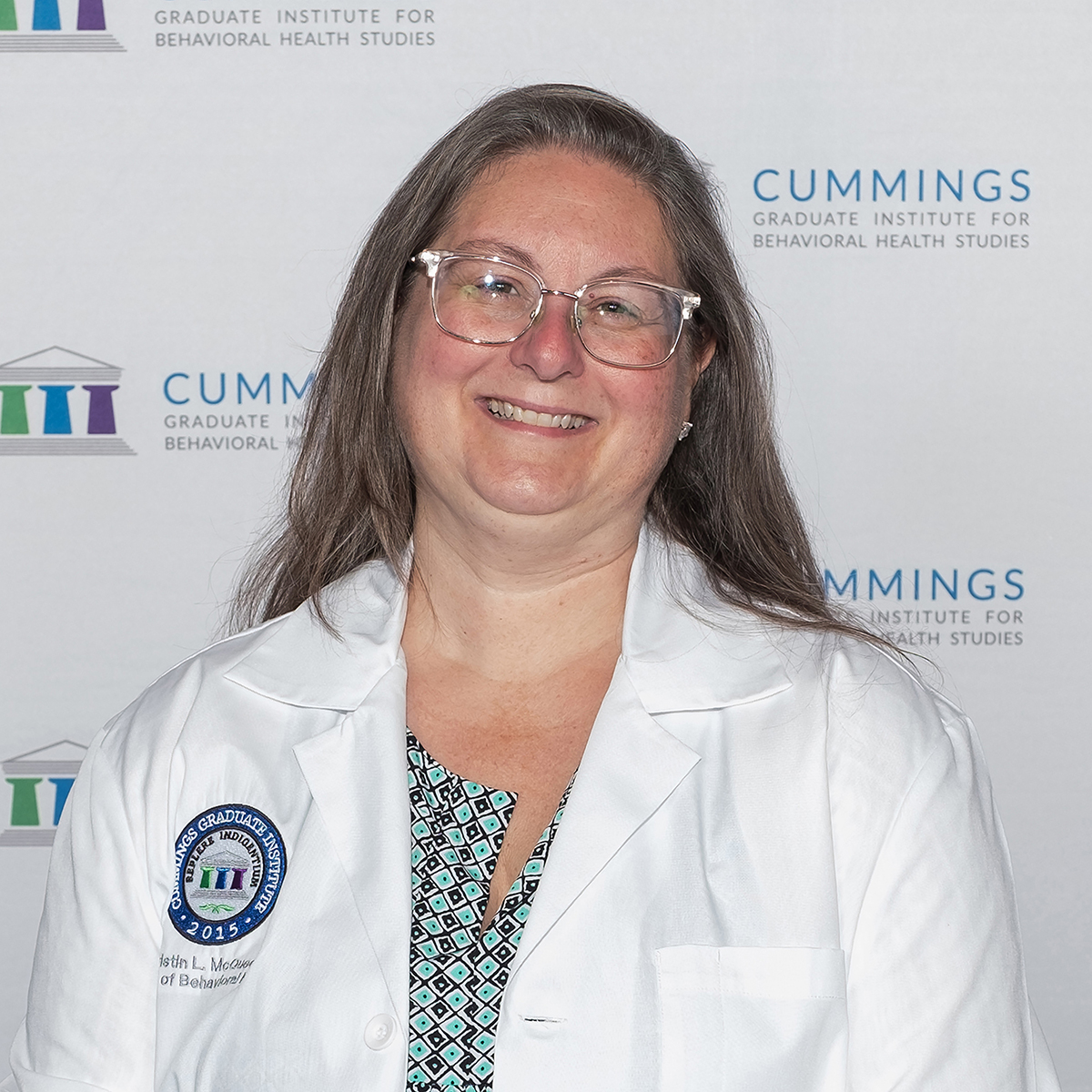
Dr. Kristin McQueeny, DBH, LPC, NCC

Dr. Kristin McQueeny is an experienced behavioral health professional specializing in trauma therapy, clinical supervision, program development, and integrated care. She holds advanced certifications, has taught at the university level, co-hosts a mental health podcast, and is recognized for leadership, curriculum writing, and conference speaking. She is an alumna of Cummings Graduate Institute for Behavioral Health Studies.

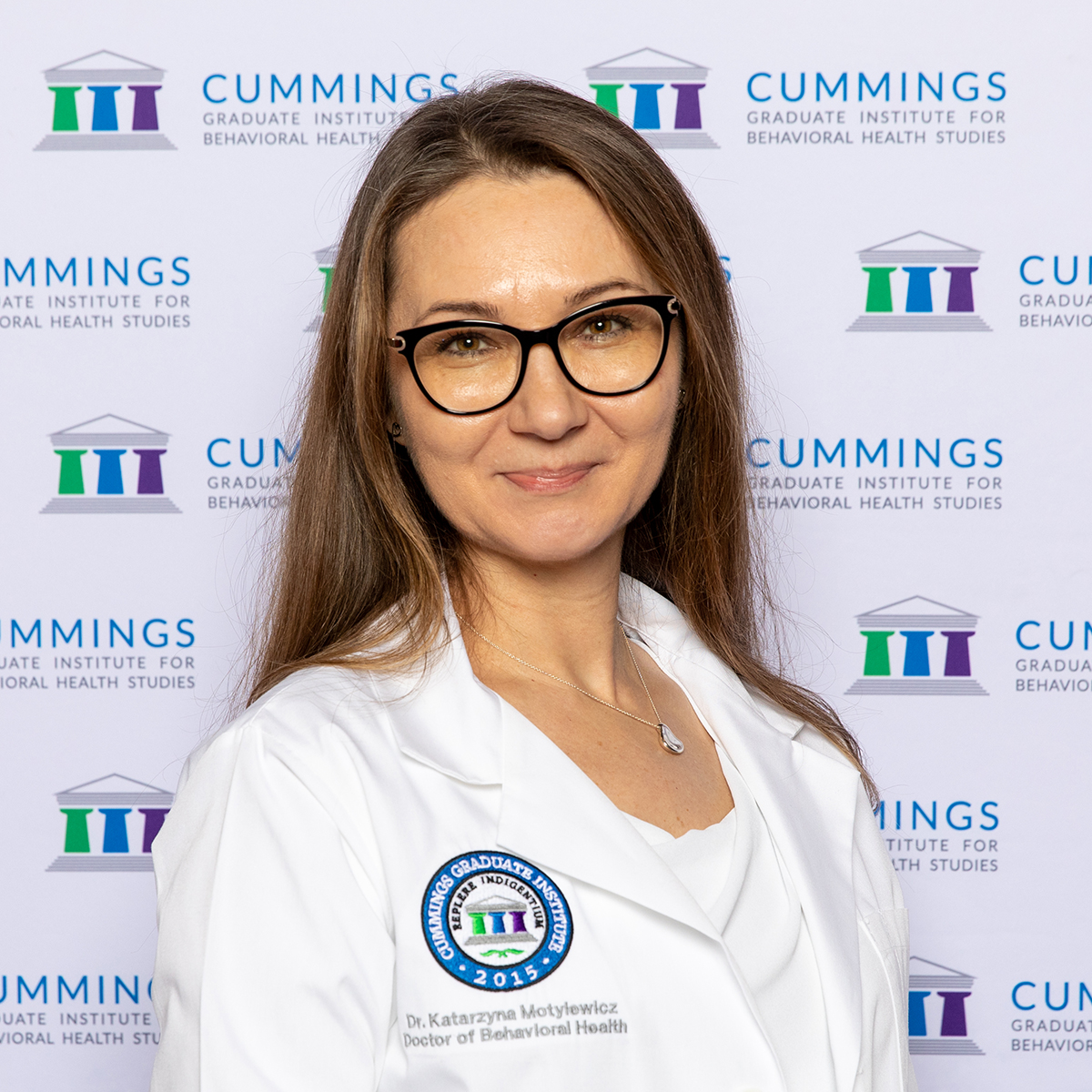
Dr. Katarzyna Motylewicz, DBH, BCBA

Dr. Katarzyna Motylewicz is a Doctor of Behavioral Health, Special Educator, Board Certified Behavior Analyst, and Qualified Behavior Analyst. Her clinical interests focus on integration of care, the relationship of motor impairments on development of social, communication, and feeding skills. She is the CEO of The Blue Butterfly Beyond Autism, LLC. She is an alumna of Cummings Graduate Institute for Behavioral Health Studies.

Dr. Robyn Napier, DBH, LCSW, MSSW

Dr. Robyn Napier specialized in providing integrated behavioral health in rural Kentucky. Napier brings 26 years of extensive experience in rural social work, primarily in behavioral health, and a strong background in higher education. She is an instructor at the University of Kentucky College of Social Work.

Dr. Pooja Panesar, DBH, BSc, MEd, BCBA, QBA, IBA

Dr. Pooja Panesar is founder and director at Kaizora Therapies, Institute and foundation based in East Africa providing interdisciplinary neurodevelopmental interventions for individuals with developmental delays. A pioneer in autism awareness and inclusion promoting evidence-based and holistic interventions in the home, school, and center to ensure community support for every individual to succeed. She is an alumna of Cummings Graduate Institute for Behavioral Health Studies.

Dr. Valeria Parejo, DBH, BCBA

Dr. Valeria Parejo is a bilingual consultant and associate instructor for The Behavior Web, a bilingual consulting and training firm empowering autism and behavioral health providers around the globe. Dr. Parejo is an alumna of Cummings Graduate Institute for Behavioral Health Studies.

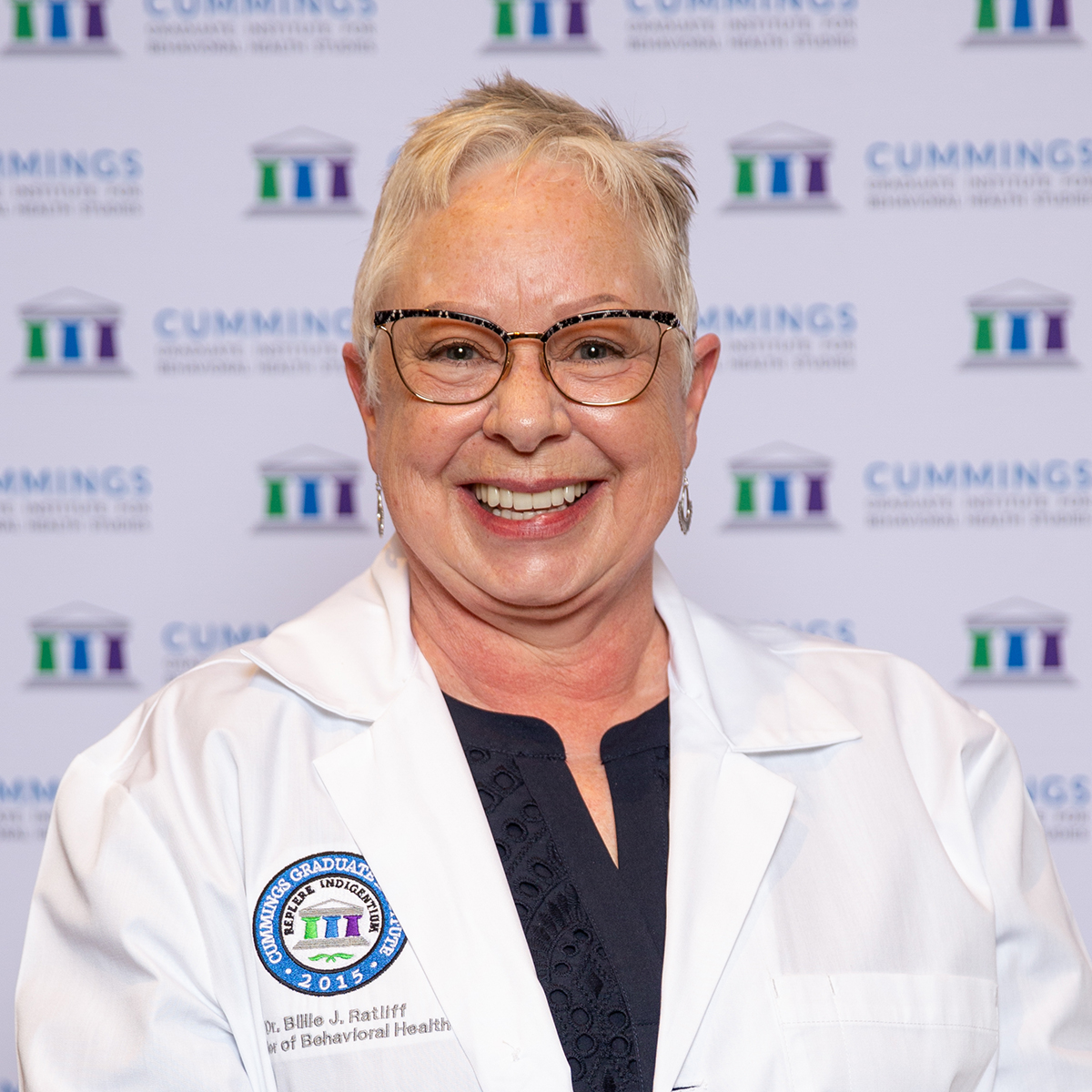
Dr. Billie Ratliff, DBH, LCSW, MSW

Dr. Billie Ratliff, DBH, LCSW, MSW serves as a Clinical Assistant Professor of Social Work in the Department of Social Work at the University of Colorado, Colorado Springs. In addition, Dr. Ratliff is an faculty member at Cummings Graduate Institute for Behavioral Health Studies. Her research focuses on the intersection of mental and physical well-being among first responders, particularly firefighters, with additional interests in burnout, moral injury, trauma-informed care, developmental trauma, and trauma recovery. Dr. Ratliff’s professional practice specializes in behavioral health. She is an alumna of Cummings Graduate Institute for Behavioral Health Studies.

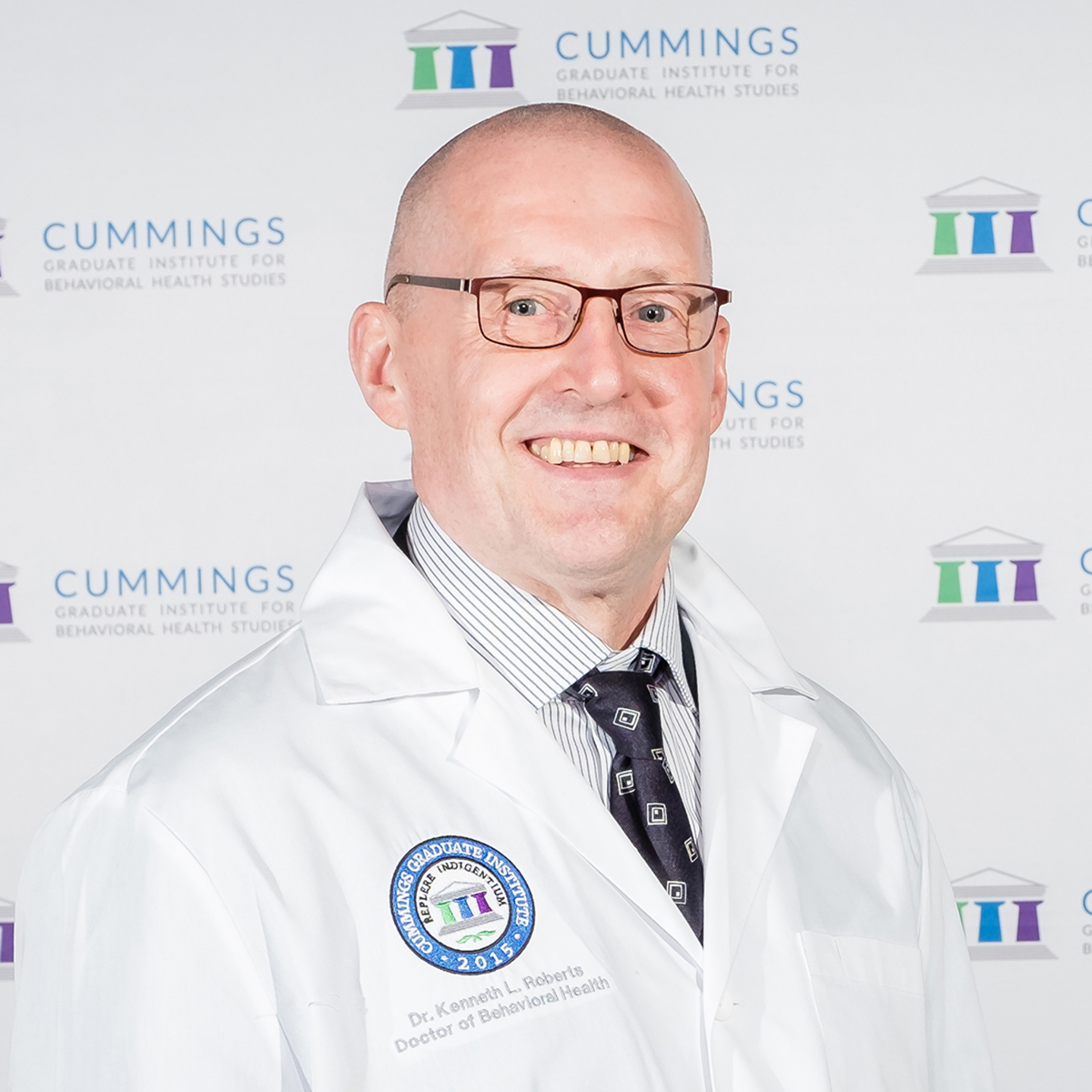
Dr. Kenneth Roberts, DBH, MPS, LPC, LADC

Dr. Kenneth Roberts serves as Director of Behavioral Health for a federally qualified health center (FQHC) and an adjunct community faculty at the University of Minnesota. His practice/research interests focus on co-occurring substance use disorder (SUD) and trauma. He is an alumnus of Cummings Graduate Institute for Behavioral Health Studies.

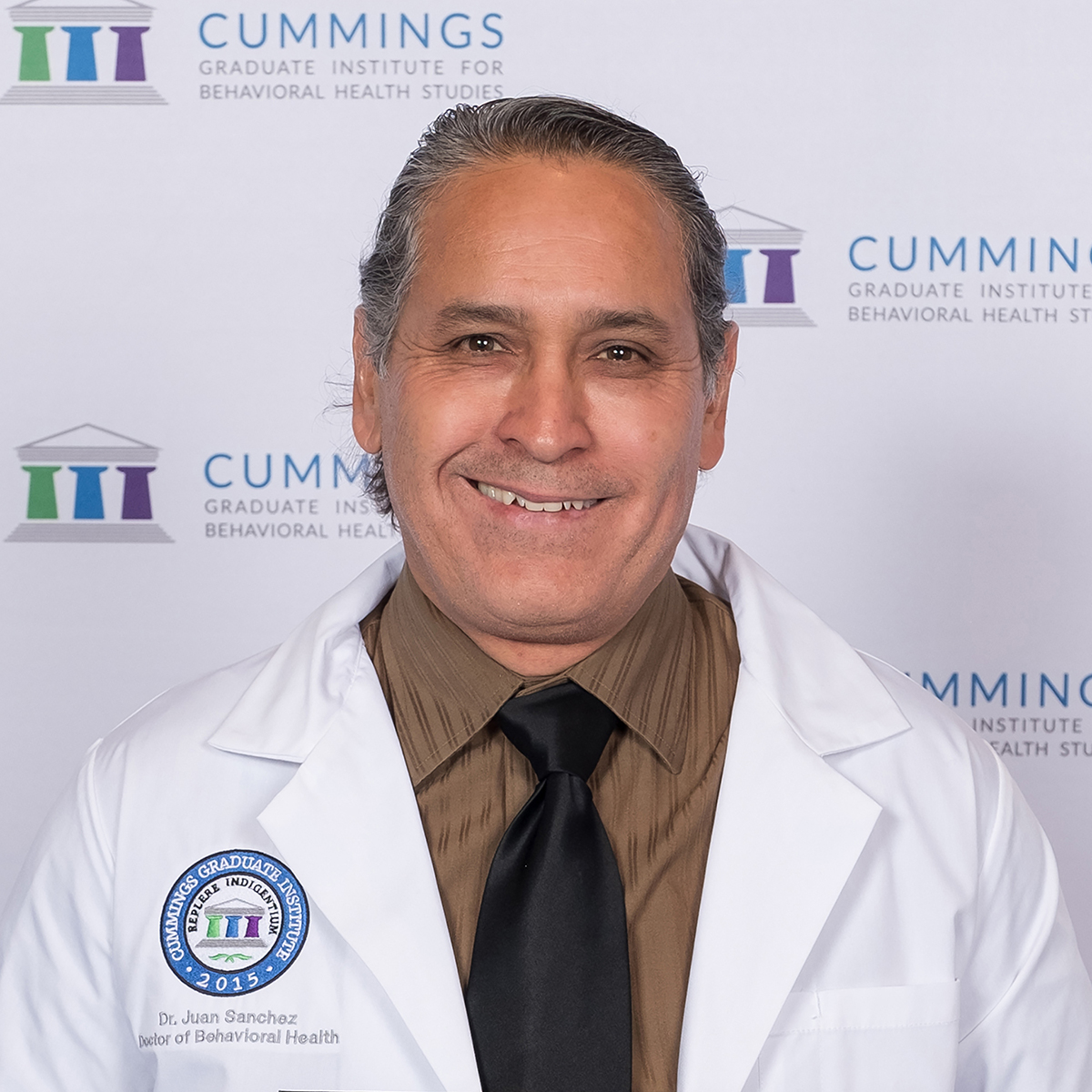
Dr. Juan Sanchez, DBH, MSSW, MS

Dr. Juan Sanchez is the owner and CEO of Camino de Salud-Integrated Behavioral Healthcare Organization. His practice interest is in substance use disorders across all age groups. He is an alumnus of Cummings Graduate Institute for Behavioral Health Studies.

Dr. Diane Scott, DBH, MSW, LCSW

Dr. Diane Scott is a behavioral health leader, educator, and consultant specializing in trauma-informed systems and integrated care. She co-created TIPPS©, an innovative Peer-to-Peer Support model for healthcare organizations. Dr. Scott guides military, first responder, and healthcare organizations in enhancing workforce well-being, psychological safety, and trauma-informed culture transformation. She is a faculty member and academic advisor for Cummings Graduate Institute for Behavioral Health Studies, where she is also an alumna.

Dr. Sarah Schuch, DBH, LPC

Dr. Sarah Schuch is an integrated behavioral health counselor in primary care at Penn Medicine/Lancaster General Health and has extensive experience in behavioral health case management, outpatient mental health, and substance use disorder treatment. She is also a trainer on a varied behavioral health topics. Driven by a commitment to equity and innovation, Dr. Schuch focuses on improving access to care, especially via the ethical use of emerging technologies. She is an alumna of Cummings Graduate Institute for Behavioral Health Studies.

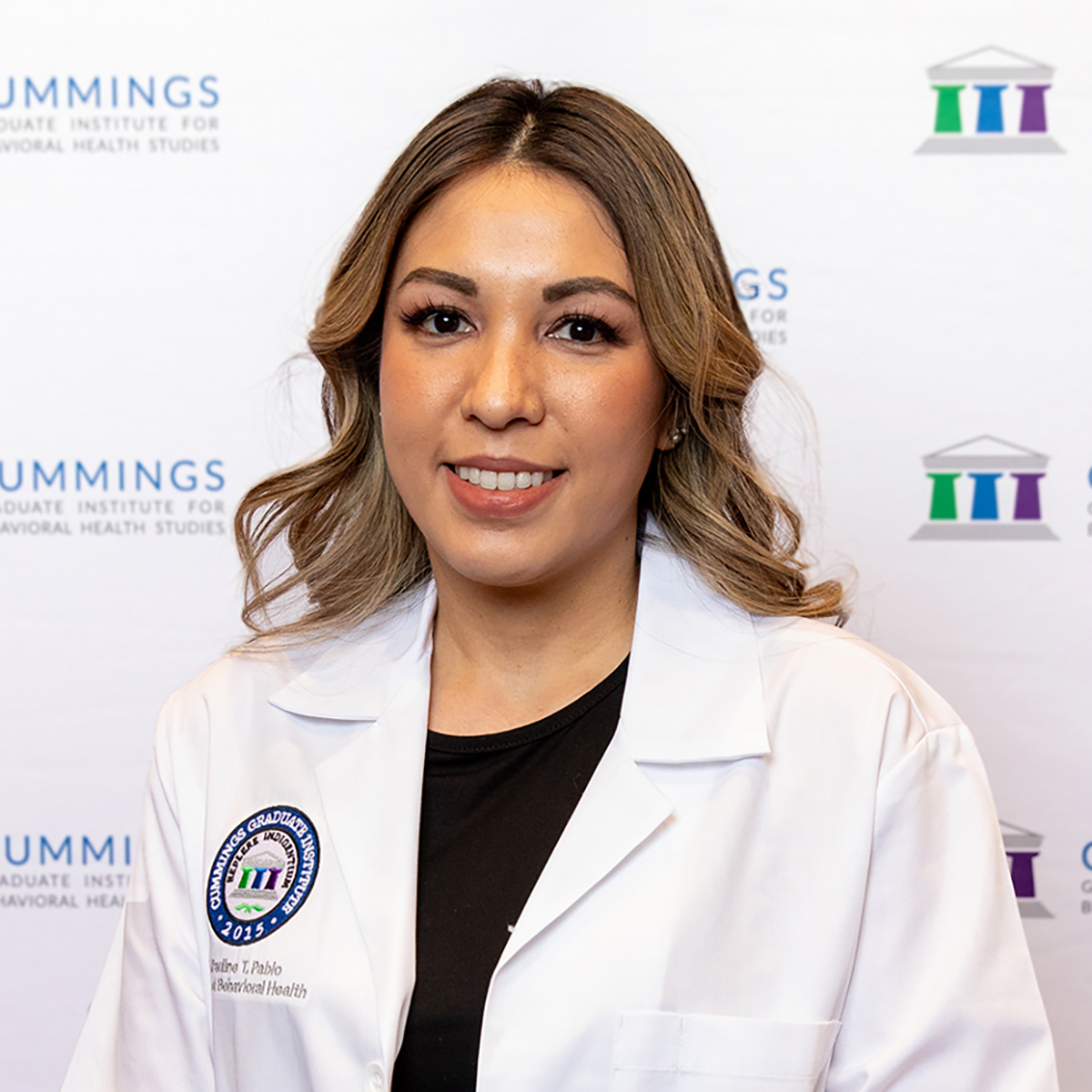
Dr. Pauline Tolentino Pablo, DBH, BCBA, IBA

Dr. Pauline Tolentino Pablo is the owner and executive clinical director of Symphony Behavioral Health. She is an alumna of Cummings Graduate Institute for Behavioral Health Studies. Her practice interests focus on neuro-affirming, person-centered, and trauma-informed care for individuals with neurodevelopmental disabilities. Her previous research focused on integrated care within behavioral gerontology.

Who This Book Is For

This book is valuable for:

  • Behavioral health professionals
  • Physicians and healthcare providers
  • Social workers and counselors
  • Case managers and care coordinators
  • Healthcare administrators and leaders
  • Public health professionals
  • Integrated care teams
  • Graduate and doctoral students
  • Educators and researchers

Whether you are actively practicing in healthcare, leading organizational change, or studying integrated behavioral health, this book offers insight into the systems, relationships, and leadership approaches shaping the future of care.

Pre-Order Now

Why Integrated Behavioral Health Matters

Integrated behavioral healthcare is increasingly recognized as essential to improving healthcare outcomes, reducing fragmentation, and supporting whole-person care.

As healthcare systems face growing complexity, chronic disease burdens, mental health challenges, workforce shortages, and disparities in access, integrated care models offer opportunities for stronger collaboration, earlier intervention, and more patient-centered care delivery.

Integrated Behavioral Health: Applying the Biodyne Model in Healthcare serves as both a practical resource and a call to action for professionals committed to advancing collaborative, interdisciplinary healthcare systems.

The book reflects the growing movement toward integrated care and the expanding role of behavioral health leaders in shaping the future of healthcare delivery.

3D mock-up rendering of the paperback edition of Integrated Behavioral Health: Applying the Biodyne Model in Healthcare. The book features a turquoise and black cover design with an aerial image of people connected by lines, symbolizing integrated care and collaboration. The thick spine and visible page edges emphasize the book’s approximately 460-page length.Order the Book

Integrated Behavioral Health: Applying the Biodyne Model in Healthcare is available for presale through major academic and commercial booksellers.

Available Formats

  • Paperback
  • Hardcover

Pre-sale Purchase Options

Routledge / Taylor & Francis
Amazon

ISBN: 9781032864785

Open Access Availability

In support of accessible integrated behavioral healthcare education, CGI has arranged for Integrated Behavioral Health: Applying the Biodyne Model in Healthcare to be made available as an Open Access publication through the publisher.

The Open Access edition will be available through Taylor & Francis Online under a Creative Commons CC BY-NC-ND 4.0 license, expanding access for students, educators, clinicians, and healthcare leaders worldwide.

Instructors interested in adopting this book for academic courses may request inspection copies through Routledge / Taylor & Francis.

Pre-Order Now

Save 20% with code 26SME2 on www.routledge.co.

Testimonials

As a member of the AAPI community, I’m very familiar with the barriers to mental health services and the need to break through the glass wall of cultural stigma that prevents many from receiving potentially life–saving treatment. I was the only Asian American person in my master’s cohort, the only Asian American person in many of my clinical work settings, the only Asian American person to walk into many of the professional settings that I pushed myself to show up to. In my current practice, I’m constantly reminded by my patients of how difficult it is to find an Asian American mental health provider, though this reminder constantly informs me that more needs to be done for my community. Day after day, I read stories of Asian American people who die by suicide as a consequence of our culture’s avoidance of mental health topics. As a DBH, my biggest goal is to use my expertise in whole–person care to amplify the conversation around mental health and help my community understand that mental healthcare is not a privilege that we are not entitled to, it is a crucial part of our healthcare that will manifest differently in us than what many Western psychology or psychiatry textbooks will describe, and that our unique experience of mental health issues are valid, important, and is time to be part of the larger conversation.

Willam Chum, LMHCDBH Candidate, Cummings Graduate Institute for Behavioral Health Studies - September 16, 2022

The Doctor in Behavioral Health (DBH) program has changed my understanding of the subject and career path. Before this academic journey, my knowledge of behavioral health was primarily theoretical, including essential ideas and methods. However, the DBH curriculum combined intense academic research with practical application, helping me understand behavioral health from multiple angles. Recognizing mental health as part of total health changed my perspective. The biopsychosocial model, which showed how biological, psychological, and social variables affect mental health, was stressed in the DBH curriculum. This comprehensive approach made me realize how complex human behavior is and how important it is to address mental health issues. Effective interventions must target the individual’s surroundings, relationships, and life experiences, not just symptoms. The curriculum also gave me enhanced evidence-based practice training to execute successful solutions. Studies methods and data analysis classes improved my critical thinking and allowed me to evaluate and apply behavioral health studies. This gave me the confidence to contribute to the field’s knowledge base through practice and research.

Dr. Rhea Hill, DBH, LPCDBH Alumna, Cummings Graduate Institute for Behavioral Health Studies - February 17, 2025

This program will change how you present to the world, not just as a professional but as an individual. Understand this is work but the work is worth it and the journey is undeniably transformative. If you are seeking a doctorate for the title, this is not the program for you. If you are seeking a doctorate to interrupt and disrupt the course of healthcare, then this is the program for you. You won’t find a more supportive program with professors who are dedicated to your success and your education. This program is not about the regurgitation of information. It is about the appropriate applied application of knowledge and information to push forward and become an advocate for equitable and quality care for all.

Brandy K. Biglow LMHC, CCTP, QSDBH Candidate, Cummings Graduate Institute for Behavioral Health Studies - February 5, 2024

The Doctor of Behavioral Health (DBH) program has definitely transformed my understanding of behavioral health. Understanding the links between physical and mental health has taught how to make better treatment decisions. The DBH program has also given me insights that otherwise would not be possible and allows me to view individuals through a lens that I was previously ignorant of. This program has helped me grow into a more confident individual, provider, and parent.

Cory H. Cannady, BCBA, LBADBH Candidate, Cummings Graduate Institute for Behavioral Health Studies - March 13, 2024

The DBH program has reinforced my vision of viewing behavioral health (BH) as an integrated component of the healthcare system rather than a siloed service. As a practitioner in the focused BH realm of substance use disorder (SUD) treatment, I observe on a regular basis how identifying and serving SUD patients is often missed, ignored and stigmatized in primary healthcare, despite the fact that early intervention at these check-points often has the potential to intervene earlier and lessen the negative SUD outcomes frequently seen by the time a patient reaches specialty SUD services. Reinforcement received in my DBH program has motivated me to promote integration as a leader in my workplace and is a primary factor in considering the long-term trajectory of my individual career path.

Kenneth L. Roberts, MPS, LPCC, LADCDBH Candidate, Cummings Graduate Institute for Behavioral Health Studies - November 5, 2024

Graduating from the DBH program has influenced and enhanced my approach to addressing behavioral health challenges and making a difference in the field by preparing me to become a serious business owner. Through the DBH program, I understand now that becoming a business owner not only assists me in reaping the financial benefits of working for myself, but the program also offers me a sense of freedom to make a difference in an individual’s life.

Dr. Rebecca K. Wright, DBH, LBA, BCBA, QBADBH Alumna, Cummings Graduate Institute for Behavioral Health Studies - December 18, 2024

I have always wanted to pursue a higher degree but never found a program that met my needs. When I investigated the DBH program, I can honestly say I was excited. It was a program that would expand my knowledge in behavioral health but also how it relates to physical health. The philosophy of treating the whole person was exactly what I was looking for.

Elizabeth Nekoloff, M.Ed., LPCC-S, NCCDBH Candidate, Cummings Graduate Institute for Behavioral Health Studies - January 16, 2025

Prior to obtaining my DBH, I practiced behavioral health within the boundaries of behavior analysis. The DBH degree has given me the ability to broaden my scope of competence allowing me to provide a higher quality of care to my clients through a person-centered approach, while still staying within my scope of practice. I was in the beginning stages of opening my business when I enrolled in the DBH program which set my trajectory towards being a stronger leader. The program equipped me with essential healthcare leadership and entrepreneurial skills, allowing me to ensure high-quality services for my clients and foster a supportive work environment for our staff. It has also given me the confidence to expand my business and pursue other healthcare ventures, reaching a broader range of patients in need.
Dr. Pauline Tolentino Pablo, DBH, BCBA, IBADBH Alumna, Cummings Graduate Institute for Behavioral Health Studies - January 21, 2025

Although I have worked with many patients who have mental health diagnoses, or behaviors which make managing their medical diagnoses and day to day life difficult, the DBH program at CGI is broadening that knowledge and providing a deeper understanding of behavioral health and how best to help these individuals manage their health and improve their quality of life. This will allow me to provide and advocate for more meaningful and seamless integrated care, providing new tools for my intervention toolbox, and the confidence and skills to collaborate within and lead whole person focused interdisciplinary teams. I also anticipate building upon my knowledge as a nurse case manager and long time caregiver, as well as my personal passions and professional vision, learning about processes and operations, to be in position to start up and lead my own company one day, offering the services and care I know every person should have access to.


Hollie Wilson, MSN, RN, CCMDBH Candidate, Cummings Graduate Institute for Behavioral Health Studies - February 11, 2025

The DBH program will open opportunities for me to contribute to healthcare system innovation, particularly through trauma-informed care and integrated behavioral health settings. I will be better positioned to advocate for and implement holistic care models that improve health outcomes for underserved populations. Ultimately, this program will help me transition into higher-level roles, such as a director or consultant in behavioral health, where I can influence broader system changes and contribute to the future of healthcare delivery.

DeKyn Rashad Peters, MPH-CHES,BSW/BA,APCDBH Candidate, Cummings Graduate Institute for Behavioral Health Studies - March 4, 2025

Accreditation & Affiliates

Partners