 Serving High-Risk and Underserved Communities Through Integrated Care: Cindy Bullard’s Approach to Behavioral Health Systems
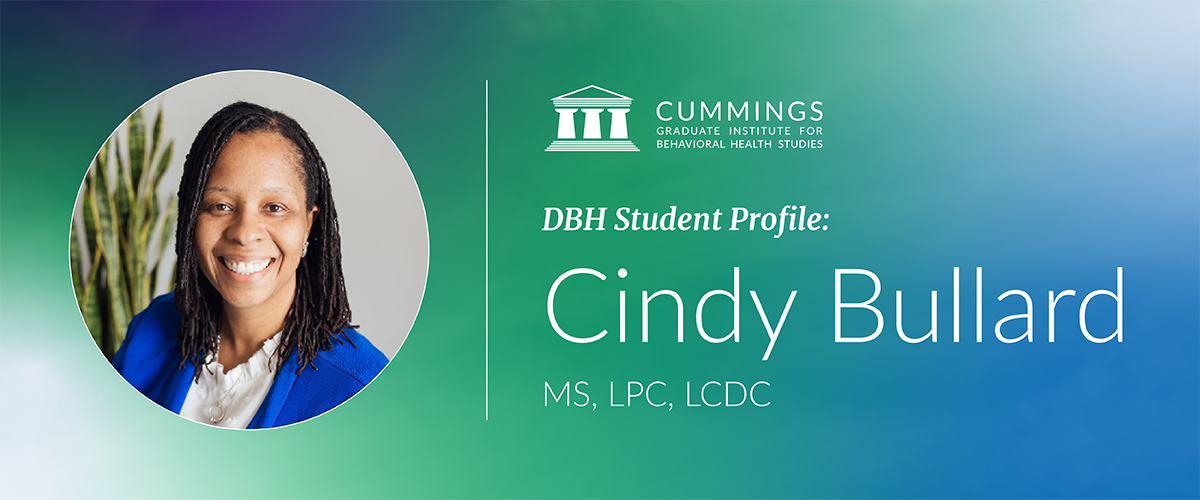
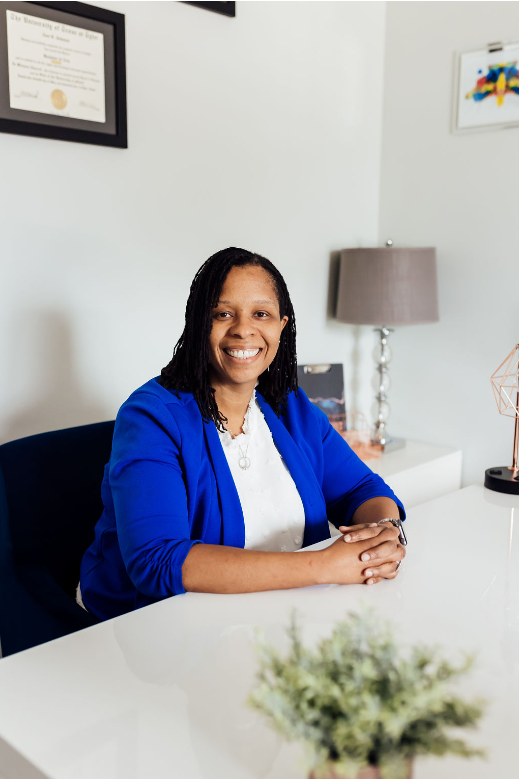
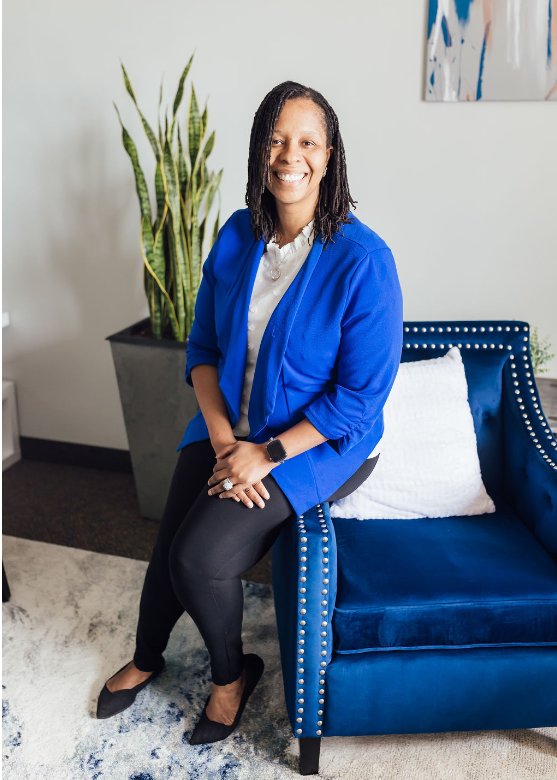
Cindy Bullard is a Licensed Professional Counselor and Licensed Chemical Dependency Counselor who earned her Master’s degree in Clinical Mental Health Counseling from the University of North Texas at Dallas. With experience across intensive outpatient, residential, behavioral health hospital, and private practice settings, she has worked with diverse populations including individuals, couples, families, and adolescents facing complex challenges such as crisis, trauma, sexual abuse, substance use, anxiety, depression, anger, grief, suicidal ideation, LGBTQIA+ topics, physical violence, and co-occurring disorders. Utilizing an eclectic, trauma-informed approach grounded in person-centered, cognitive behavioral, and solution-focused therapies, she is committed to creating a safe, nonjudgmental space where individuals can explore their experiences and feel fully seen and supported. Currently pursuing her Doctor of Behavioral Health (DBH), Cindy is expanding her impact beyond clinical care into systems-level change. In this interview, she shares how the DBH program has strengthened her approach to integrated care, deepened her commitment to serving high-risk and underserved populations, and shaped her vision for advancing trauma-informed, system-level solutions in behavioral health.
How has the DBH program influenced your approach to behavioral health?
The Doctor of Behavioral Health (DBH) program has truly shaped the way I approach behavioral health work by deepening my clinical understanding, strengthening my leadership skills, and helping me see the bigger picture at the systems level. I have developed a more integrated view of how mental health, substance use, physical health, and social factors all connect. This perspective has made me more thoughtful and effective when working with complex cases, especially in crisis and community-based settings, and has helped me design interventions that are practical, evidence-based, and culturally responsive.
The DBH program has also expanded my skills in program development, quality improvement, and using data to guide decisions. Instead of focusing only on individual treatment, I now pay closer attention to outcomes, service gaps, and the system barriers that affect access to care. This shift has influenced how I think about policy, discharge planning, and collaboration with multidisciplinary teams.
The program has empowered me to advocate trauma-informed care, staff wellness, and sustainable models of support for underserved and high-risk populations. It has shifted me from simply providing services to actively leading change and working to improve the behavioral health system.
 What are your future career goals, and how do you envision the DBH program contributing to your success?
My primary professional and academic interests within behavioral health focus on crisis intervention, trauma-informed care, substance use treatment, and system-level program development. I am particularly interested in working with high-risk and underserved populations, including individuals experiencing acute mental health crises, co-occurring disorders, and social instability.
I am also drawn to research and practice models that emphasize integrated care, evidence-based interventions, and continuity of care across service settings. I am interested in exploring strategies that reduce hospital readmissions, strengthen community-based support, and improve discharge planning and care coordination.
These interests closely align with my career goals, which include advancing into leadership roles that influence policy, program design, and quality improvement within behavioral health systems. My long-term goal is to contribute to sustainable, trauma-informed models of care that not only support clients in crisis but also promote staff wellness and system effectiveness. I aim to be a change agent who bridges clinical practice with leadership and advocacy to improve access, outcomes, and equity in behavioral health services.
Can you share an experience that shaped your understanding of integrated behavioral healthcare?
One of the most memorable moments in my DBH journey has been seeing former clients come back and share their success stories. Having someone return and say, “I’m doing better now,” or talk about finding housing, staying sober, going back to school, or reconnecting with their family is incredibly meaningful.
Those moments really changed how I view integrated care. It showed me that when mental health treatment is connected with substance use services, medical care, and community resources, people truly have a better chance at long-term success. It made recovery feel real, not just something we talk about in theory.
Seeing clients succeed reminded me that our work goes far beyond stabilizing someone in a crisis. It’s about helping them build a life they want to live. That experience reinforced for me that integrated care isn’t just a clinical model, it’s a lifeline that gives people hope, stability, and the opportunity to move forward.
 What fuels your passion for advancing integrated behavioral health, and how do you stay motivated?
What truly drives and motivates me in advancing behavioral health, especially within integrated care, is my personal connection to the work. My father was a veteran who struggled with substance use, and growing up with that experience gave me a deep understanding of how complex and painful these challenges can be not just for the individual, but for the entire family.
Seeing firsthand how mental health, trauma, and substance use are so closely connected made me passionate about helping others receive care that addresses the whole person. It also showed me how often people fall through the cracks when services are fragmented or disconnected. That is what fuels my commitment to integrated care because no one should have to navigate recovery alone or without coordinated support.
I stay inspired by the people I serve and the stories of resilience I witness every day. Watching clients make progress, even in small ways, reminds me why this work matters. I also stay motivated by continuing to learn, mentoring others, and advocating for systems that support both clients and staff. I am driven by the hope that the work I do can help create a more compassionate, accessible, and effective behavioral health system for others who share similar struggles.
What advice would you give to prospective students or professionals considering the DBH program?
If I could offer advice to fellow students or professionals considering the DBH program, it would be to come in with an open mind and a willingness to grow beyond your current role. The program challenges you to think differently not just as a clinician, but as a leader, advocate, and systems thinker.
Be prepared to reflect on your own experiences and use them as part of your learning. The DBH is not just about gaining knowledge it’s about applying that knowledge to real-world problems, improving systems of care, and learning how to influence change at a broader level.
My biggest advice is to stay engaged, ask questions, and lean into the discomfort that sometimes comes with growth. The program will push you, but it will also empower you. If you are passionate about making a meaningful impact in behavioral health, especially for underserved populations, the DBH can be a truly transformative experience.
As a Doctor of Behavioral Health student, Cindy Bullard is expanding her impact beyond direct clinical care to influence how behavioral health services are designed, delivered, and improved. The DBH program has strengthened her ability to address complex, co-occurring needs through integrated, trauma-informed approaches while equipping her with the skills to lead program development, quality improvement, and systems-level change. Through her work, Cindy remains focused on improving access to care for high-risk and underserved populations and advancing more coordinated, effective behavioral health systems that support both individuals and the professionals who serve them.
Connect with Cindy Bullard
Check Out Cindy Bullard on the Disruptors at Work Podcast
Navigating Substance Use Treatment Through Integrated Care
In this episode of Disruptors at Work: An Integrated Care Podcast, special host Cindy Bullard, Doctor of Behavioral Health (DBH) student at Cummings Graduate Institute for Behavioral Health Studies (CGI) is joined by Karla Sweet-Rausin and Tomekia Starling for a conversation on substance use treatment and the evolving role of integrated care. Drawing from their professional journeys in behavioral health and recovery services, the discussion explores the importance of collaboration between counseling and prescribing providers, building trust with patients, and improving interventions for individuals navigating substance use challenges. The episode also highlights innovations such as telehealth and medication-assisted treatment, while examining the barriers and opportunities shaping the future of substance use care.