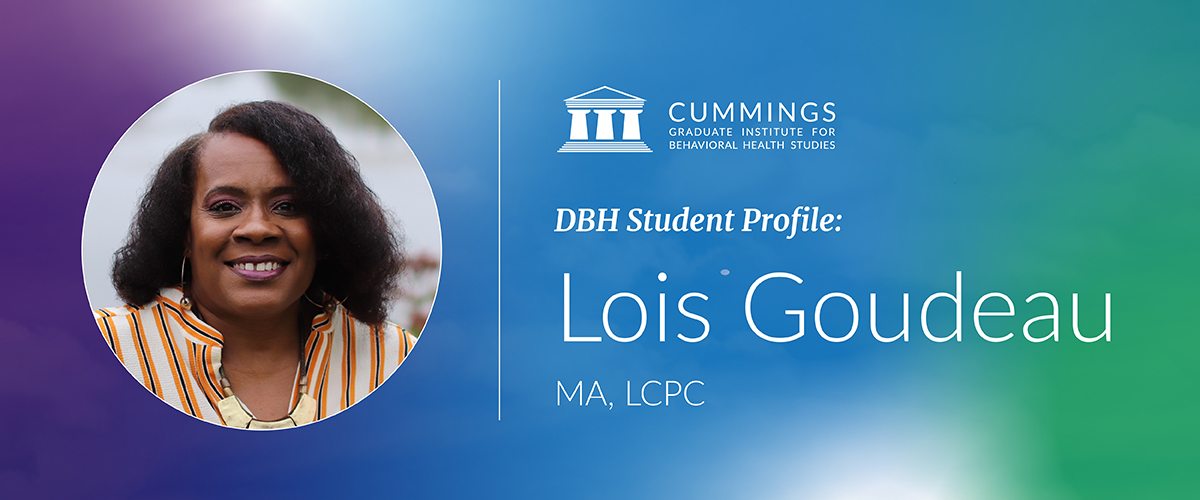
Healing Communities, Changing Systems: Lois Goudeau Builds a Future of Whole Person Care
Lois Goudeau, LCPC, is a Licensed Clinical Professional Counselor in Illinois, Indiana, and Mississippi with more than 15 years of experience in education and over a decade of experience in mental health counseling. As the founder and lead clinician of NuVisions Counseling Services, LLC, she has spent the past eight years supporting individuals and families from diverse backgrounds as they navigate emotional well-being. With three master’s degrees in Family Studies, Special Education, and Counseling, and as a current Doctor of Behavioral Health student, Lois is committed to integrating mental health with holistic, person-centered care rooted in the belief that every person deserves clarity, purpose, and peace. In addition to her clinical work, she facilitates workshops for entrepreneurs and faith-based communities on workplace stress and mental health in the church, has served as a guest speaker on WYCA-Talk Radio advocating for mental health destigmatization, and extends her impact as an author through her Threads of Hope Books collection, which focuses on healing, resilience, and emotional connection. Whether through therapy, writing, or community education, Lois’s mission is to uplift, guide, and empower individuals and families during times of transition, loss, and new beginnings. In this interview, Lois shares how the DBH program has expanded her approach from traditional therapy to whole-person, integrated care, her plans to lead systems level change through program and policy innovation, and how the DBH is shaping her confidence to work alongside medical providers as a collaborative healthcare leader.
How has the DBH program influenced your approach to behavioral health?
The Doctor of Behavioral Health (DBH) program has significantly shaped the way I view behavioral health and my role within the field. Coming into the program, I had a strong background in counseling and education, but my focus was mainly on therapy within the traditional mental health setting. Through my coursework and experiences in the DBH program, I’ve expanded my perspective to see behavioral health not only as therapy but also as an essential component of overall health and wellness. This shift has encouraged me to embrace whole person care, recognizing the importance of treating mental, physical, and emotional health as interconnected rather than separate. I now see how addressing one area in isolation is not enough—true wellness comes from integrating all aspects of a person’s life.
One of the most powerful changes in my approach has been moving beyond the boundaries of traditional therapy. Therapy will always remain a foundation of my work, but the DBH program has opened my eyes to the many other roles I can play. I now understand that behavioral health professionals can work directly alongside medical teams, contributing valuable insights that improve patient outcomes. This interdisciplinary approach allows me to sit at the same table as physicians, nurses, and other healthcare providers, bringing a behavioral health lens to medical care. For example, where a physician may focus on treating hypertension with medication, I can highlight how stress, trauma, or lifestyle factors may impact the patient’s ability to adhere to treatment. This creates a more complete picture of the patient’s needs and increases the chances of long-term success.
Another important lesson I’ve gained from the program is the ability to bring practical, evidence-based solutions into these conversations. Rather than seeing myself only as a therapist who supports patients emotionally, I now see myself as a professional who can identify gaps in care, recommend interventions, and contribute to population health strategies. The DBH program has given me the skills to think about systems, not just individuals, and to ask the bigger questions: How can we design healthcare that truly supports mental and physical well-being? How can behavioral health be integrated into everyday medical practice rather than being viewed as a separate specialty? These are the questions that drive me forward.
Ultimately, the DBH program has allowed me to step into a new level of confidence as a leader and collaborator in healthcare. I no longer feel confined to the therapy room but see myself as someone who can help shape the future of integrated care. Whole person care, for me, means advocating for patients to be seen in their entirety, their medical conditions, mental health struggles, cultural identities, and personal circumstances all matter. By going beyond traditional therapy and engaging in conversations with medical professionals, I can ensure that behavioral health is not an afterthought but a central part of the healing process. This program has shown me that behavioral health has a rightful place in the medical field, and I am proud to be part of the movement making that a reality.
What are your future career goals, and how do you envision the DBH program contributing to your success?
My main professional and academic interests center around integrated behavioral health, whole person care, and improving access to mental health services in medical settings. I consider myself a professional learner, and that mindset has guided my journey. Every degree and certification I’ve pursued was intentional—I wanted to learn what I needed in order to be effective and impactful in the spaces I serve. With backgrounds in family studies, special education, and counseling, and now advancing in the Doctor of Behavioral Health program, I’ve built a foundation that allows me to approach behavioral health from multiple perspectives. My interests consistently focus on understanding people within the larger systems they live in, whether that is family, education, or healthcare.
Academically, I am drawn to research and strategies that emphasize collaboration between mental health and medical providers. Too often, behavioral health has been siloed from physical health, leaving patients without the coordinated care they deserve. My studies and experiences continue to reinforce the importance of bringing behavioral health professionals into conversations alongside physicians, nurses, and specialists. Professionally, I want to be the bridge that ensures patients are treated as whole people—not just a diagnosis or symptom.
In the long term, my career goals align with leadership and innovation in integrated care models. I envision myself developing programs, training healthcare teams, and shaping policies that make behavioral health an inseparable part of medical practice. I also see myself continuing to create resources—whether through coaching, workshops, or writing—that equip families and communities with practical tools for resilience and healing. Ultimately, my academic and professional interests come together in a single purpose: to disrupt the status quo in healthcare and make behavioral health central to how we think about wellness and healing.
Can you share an experience that shaped your understanding of integrated behavioral healthcare?
One defining moment during my DBH studies that deepened my understanding of integrated care was taking a course on the Brain and Behavior. At first, I was intimidated because it was taught by a medical doctor, and I wasn’t sure I would be able to keep up with the material. To my surprise, the instructor broke down complex concepts in a way that made them approachable and understandable. I not only grasped how the brain functions but also gained a clearer perspective on why certain mental health disorders exist. That experience shifted my mindset from feeling intimidated to being genuinely curious and inspired, so much so that I wanted to enroll in another class on the topic.
What stood out most was how the class removed a barrier I had placed on myself—the idea that I couldn’t relate to or engage with physicians at their level of expertise. The professor encouraged us and reminded us that as behavioral health professionals, we bring valuable knowledge and perspective to the medical field. She even taught us practical skills like how to read an X-ray report of the brain, which gave me confidence that I could contribute meaningfully in conversations with medical colleagues. This course wasn’t just about learning neuroscience; it was about realizing that integrated care requires us to bridge disciplines and see ourselves as equal partners in improving patient outcomes. I walked away from that class not only with a deeper understanding of the brain but also with a renewed belief that I belong at the table with physicians, nurses, and other healthcare providers. It was a pivotal step in my journey toward embracing the true spirit of integrated, whole person care.
What fuels your passion for advancing integrated behavioral health, and how do you stay motivated?
What drives me to advance behavioral health is the belief that everyone deserves the chance to live with clarity, balance, and peace of mind. I have seen how untreated mental health challenges can impact families, communities, and even physical health outcomes, and I feel called to be part of the solution. Advancing behavioral health is not just about helping individuals in therapy—it is about creating systems, programs, and conversations that make whole person care the standard. That vision keeps me motivated, even when the path feels difficult.
The Doctor of Behavioral Health program has been one of the hardest academic journeys I have ever taken, even after earning three master’s degrees. I remember during orientation, Dr. Baldwin encouraged us to pace ourselves and rely on our support system because we would need it. At the time, I thought I was prepared because of my past achievements, but I quickly realized this was a journey unlike any other. There are moments I feel the weight of the program, but that’s when I lean on the strategies that keep me grounded. I read motivational quotes to remind myself why I started, and I find encouragement from my family and friends who believe in me even when I’m tired or doubtful. Most importantly, I check in with my own mental health, making sure I practice what I encourage others to do—rest, reflect, and give myself grace.
This degree is teaching me more than theories and practices; it’s teaching me endurance, balance, and the importance of staying connected to my “why.” Each challenge I face is also an opportunity to grow, and that growth is what will allow me to continue advancing behavioral health for the individuals, families, and communities I serve.
What advice would you give to prospective students or professionals considering the DBH program?
The guidance I would give to prospective or current DBH students is simple but powerful: follow your own voice and trust your path. It can be easy to look around and compare yourself to others in the program, but that only takes away from your own growth. Everyone’s journey looks different, and this degree will shape you in the way you need it to, both personally and professionally. Believe in yourself, even when the work feels overwhelming, because the knowledge you gain truly positions you to be an expert in the field of behavioral health.
Another piece of advice is to keep your vision in front of you. For me, I often imagine the white coat, and that image keeps me motivated when the assignments pile up or the pace feels heavy. Find whatever symbol or reminder keeps you focused on why you started this journey and let it fuel you. Also, remember that pacing yourself is key. This program is rigorous and demanding, but it’s also transformative. Taking care of your mental health, building a support system, and giving yourself grace when you feel weary will help you thrive through the process.
Finally, think beyond graduation. The DBH degree is not just about obtaining letters behind your name—it’s about making an impact in healthcare and bringing behavioral health into spaces where it hasn’t always had a strong voice. Your expertise will allow you to collaborate with physicians, influence systems, and change lives. Keep reminding yourself that this journey is not just about you; it’s about the communities and individuals you will serve once you step fully into your role. Trust the process, believe in your voice, and know that you are becoming the professional you were meant to be.
How do you envision making a lasting impact in behavioral healthcare?
I see myself contributing to the legacy of behavioral health innovation by continuing to share the value and purpose of the DBH degree with others. Many people are familiar with the traditional PhD in psychology, but I believe the DBH is more aligned with the future of mental health care, especially for those who want to be directly involved in integrated health settings. My role will be to help others understand that this degree prepares us to bridge the gap between behavioral health and medicine, allowing us to sit at the table with physicians and other professionals and contribute to whole person care in a meaningful way.
In the future, I envision myself working in a clinic setting where I can bring the expertise of a DBH into everyday practice. Whether it’s helping design programs that improve patient outcomes, supporting medical teams with behavioral health insight, or advocating for systems that treat patients as whole people, I want to use my training to create real impact. I also see myself mentoring students and early-career professionals, showing them that behavioral health is evolving and that they can be part of shaping its direction.
Continuing the mission of the DBH means not just applying what I’ve learned but also spreading awareness of what this degree represents. It’s about innovation, integration, and making behavioral health central to healthcare conversations. By modeling the work, sharing my knowledge, and encouraging others to consider the DBH path, I hope to leave a lasting mark that reflects the program’s mission and inspires the next generation of behavioral health leaders.
Where do you see your DBH degree taking you in the next 5–10 years, and what change do you hope to create?
In the next 5–10 years, I see my DBH degree opening doors for me in both clinical and community-based settings. Because I bring experience from both education and mental health, I feel the field is wide open for the impact I can make. One of my greatest passions is empowering women and parents to care for themselves while also providing the best for their children. I want to use this degree not only to work within a clinic alongside physicians and healthcare teams but also to create spaces where families feel supported, understood, and equipped.
I envision building programs or workshops, especially in public clinics or community health centers, that address the emotional impact of divorce, separation, and blended family transitions. Too often, parents underestimate how deeply these changes affect children, and I want to give them tools to navigate these challenges in a meaningful and healing way. With the DBH degree, I can combine clinical knowledge with systems-level thinking to design interventions that reach families where they are and provide them with the guidance they need.
Ultimately, the change I hope to create in healthcare systems and communities is centered on integration and empowerment. I want behavioral health to be seen as essential to family wellness, not an afterthought. By collaborating in clinical care and offering community-based support, I hope to reduce stigma, strengthen families, and model how behavioral health professionals can shape healthier futures. My goal is to stand at the intersection of healthcare, education, and family life, using my DBH to bring clarity, healing, and resilience to the communities I serve.
As Lois Goudeau continues her DBH journey, she shows what is possible when purpose and perseverance meet. The Doctor of Behavioral Health program is not just shaping her clinical expertise; it is expanding her influence, strengthening her leadership voice, and equipping her to create meaningful change in the communities she serves. With a vision rooted in whole person care, Lois is using the DBH to open doors to new opportunities, design innovative programs, and ensure behavioral health is valued as an essential part of healthcare. Her story reminds us that when knowledge and passion come together, careers grow, systems improve, and communities thrive.