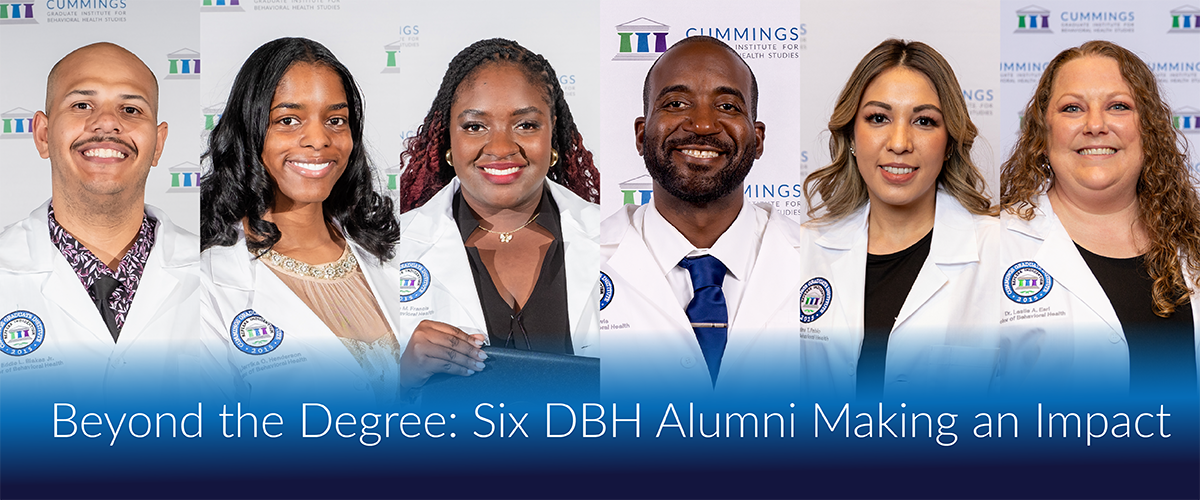
Six CGI alumni are challenging the rules, expanding access, and finding their own ways to make healthcare better.
“We have to stop making people jump through hoops to get care. They shouldn’t need five referrals or wait months for help.”
For Dr. Eddie L. Blakes Jr., DBH, MSAC, LIAC, BHP, the frustration behind those words comes from experience. Growing up in a single-parent household with limited resources, Dr. Blakes understood early on that opportunity and access aren’t always distributed equally. Years later, working in addiction counseling, they encountered a healthcare system where professional restrictions and disconnected services made getting help unnecessarily difficult.
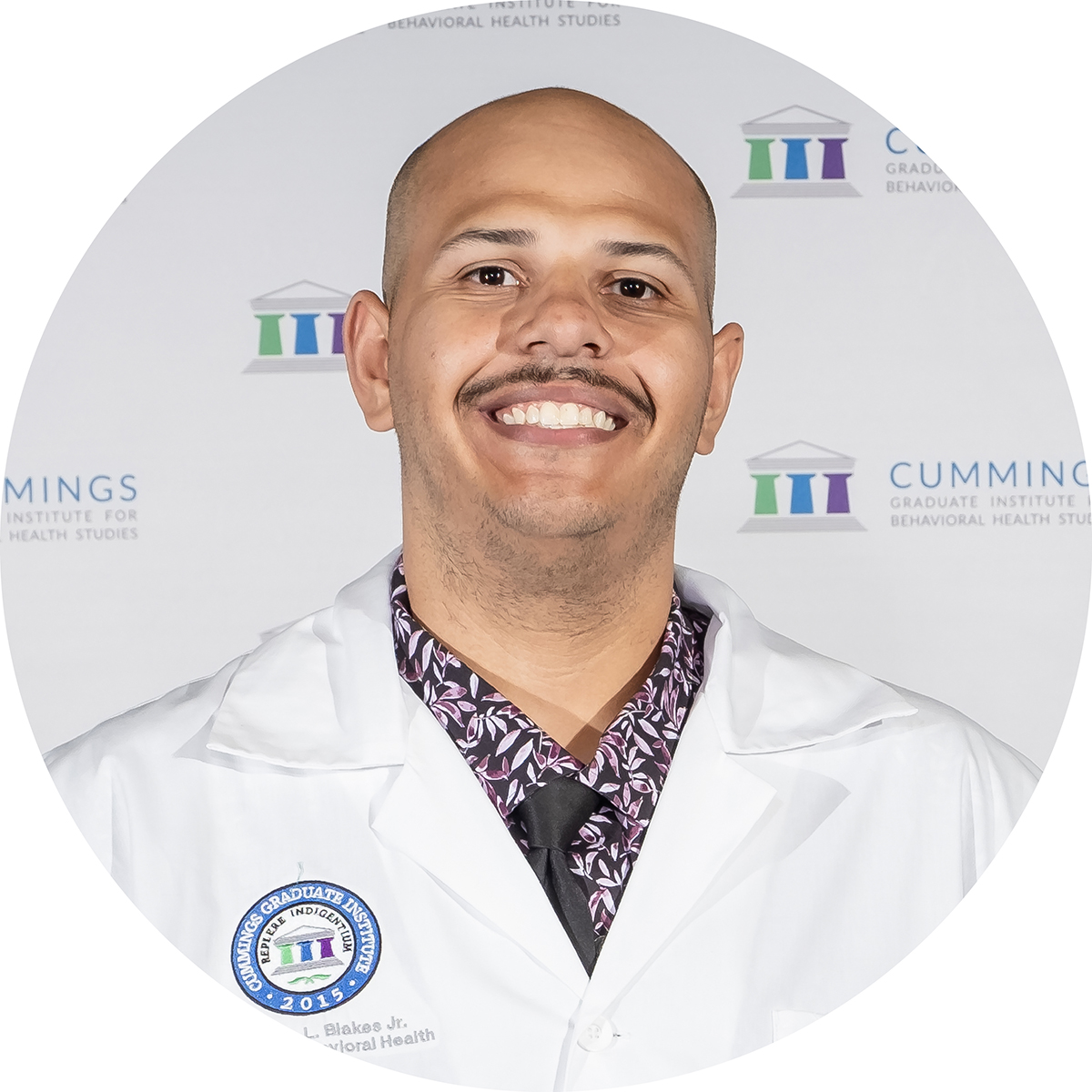
Rather than accept those limitations, Dr. Blakes set out to do something about them.
Today, their Arizona-based practice, VR Psych Services LLC, provides trauma-informed, culturally responsive care, particularly for BIPOC and LGBTQIA+ communities. Their work incorporates virtual reality therapy, flexible treatment options, and clinical supervision. What began as a commitment to helping others has grown into an opportunity to lead an organization and advocate for change. Dr. Blakes credits their Doctor of Behavioral Health (DBH) education with providing the leadership, policy, and business knowledge to expand their practice and influence how care is delivered.
Their story is one of six illustrating how graduates of Cummings Graduate Institute for Behavioral Health Studies (CGI) are putting their education to work. Across the country, these professionals are building businesses, expanding their careers, mentoring future clinicians, and finding new ways to serve their communities.
And perhaps the most interesting part is how differently they’re going about it.
In Tennessee, Dr. Jerrika Henderson, DBH, CMHC, is making room for conversations about mental health that extend beyond traditional therapy. Through her private practice, Journey with Jerrika, she provides counseling, corporate wellness workshops, and retreats. Her community work also includes support groups for caregivers raising LGBTQ youth and empowerment sessions where young people learn financial literacy, social skills, and wellness practices.
Her experience studying health equity at CGI deepened that commitment.
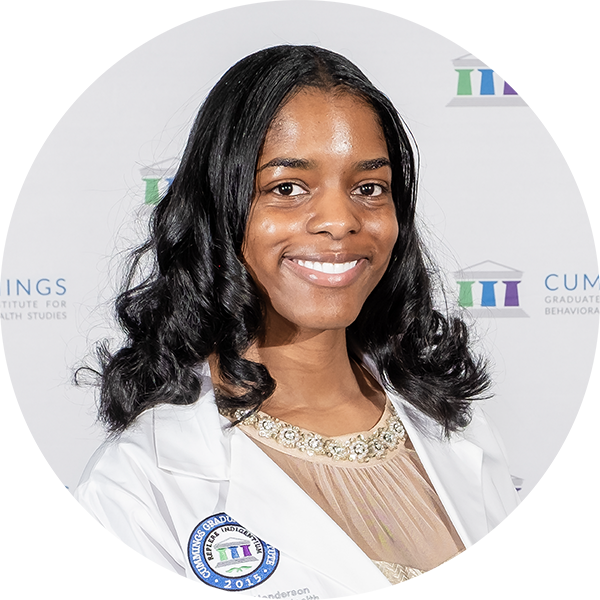
“It inspired me to become a stronger advocate for underserved populations, integrating health equity principles into every aspect of my practice,” she shared.
With specialized knowledge gained through CGI’s certificate programs, Dr. Henderson has expanded her expertise beyond traditional counseling into integrated care, leadership, and healthcare innovation. She’s now looking to build on that foundation by launching the Memphis Behavioral & Wellness Collective, a nonprofit initiative intended to bring professionals together to expand access to wellness services in the community.
Hundreds of miles away, Dr. Earl Lewis, DBH, LPC, Ed.S., is asking a related question: What happens when the people who could benefit from behavioral healthcare aren’t comfortable seeking it?
Through Motivate Your Mental, Dr. Lewis’s private practice focuses on men’s mental wellness, health literacy, and prevention. Drawing on more than a decade of clinical experience, he combines counseling, coaching, and consulting while advocating for healthcare that reaches people in trusted community spaces, including barbershops, churches, gyms, and workplaces.

“When behavioral science meets everyday culture, transformation becomes contagious,” Dr. Lewis explained.
His DBH education helped him recognize possibilities beyond individual clinical care. With a stronger foundation in entrepreneurship, population health, and program development, Dr. Lewis has expanded his private practice, developed group coaching programs, and pursued organizational consulting focused on workforce wellness and prevention. His growing professional reach offers more ways to connect people with support outside traditional treatment settings.
That relationship between professional growth and community impact is familiar to Dr. Michelle Francis, DBH, LCSW, LICSW, QS, a social worker whose career has taken her through child welfare, forensic social work, substance use treatment, and work with justice-involved populations.
As the founder of Pinnacle Clinical Solutions in Florida, Dr. Francis provides personalized therapy in Central Florida and virtually across multiple states. Her years of clinical experience have given her a firsthand understanding of how deeply mental health is connected to physical well-being, social circumstances, and access to resources.
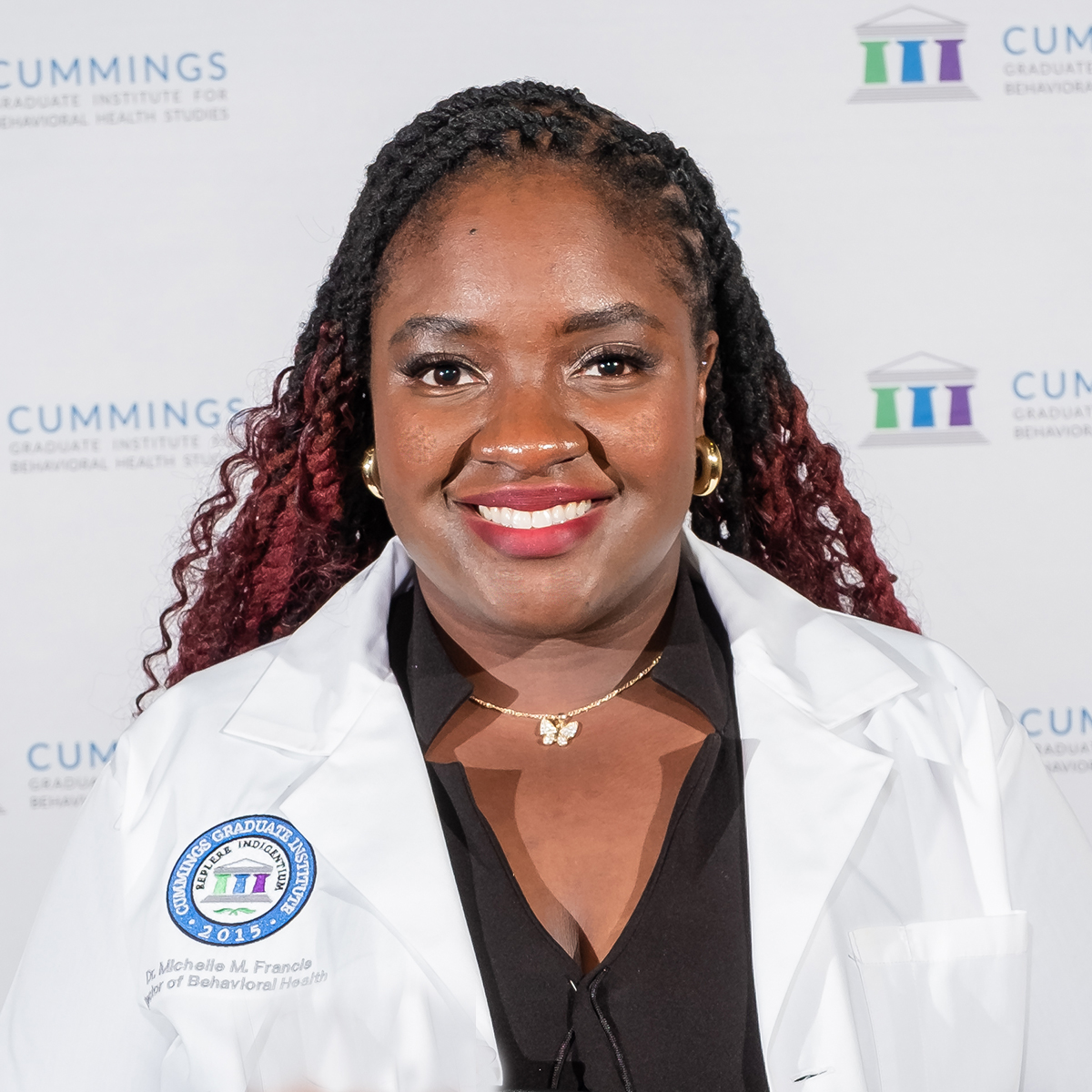
Running her own practice has also required her to become more than a clinician. From managing operations to planning for long-term sustainability, she has learned to balance patient care with the responsibilities of entrepreneurship.
“Professionally, the DBH has expanded my role from clinician to systems thinker and advocate.”
That shift was reinforced during a challenging population health course at CGI, where Dr. Francis explored the connection between chronic kidney disease and mental health. The experience pushed her to consider how preventive care, community partnerships, and coordinated services could improve outcomes for entire populations. Today, that broader perspective informs both her clinical work and her ambitions to develop more accessible, sustainable models of care.
For Dr. Pauline Tolentino Pablo, DBH, BCBA, IBA, the connection between effective leadership and patient care has been equally significant. Her commitment to individuals with developmental disabilities was shaped in part by growing up with a sister diagnosed with cerebral palsy.
In California, Dr. Pablo co-owns Symphony Behavioral Health Inc., a neurodiversity-affirming organization supporting individuals across the lifespan. She also co-founded the Asian Pacific Islanders Association for Behavior Analysis, helping increase representation within the profession and expand access to behavioral health knowledge.
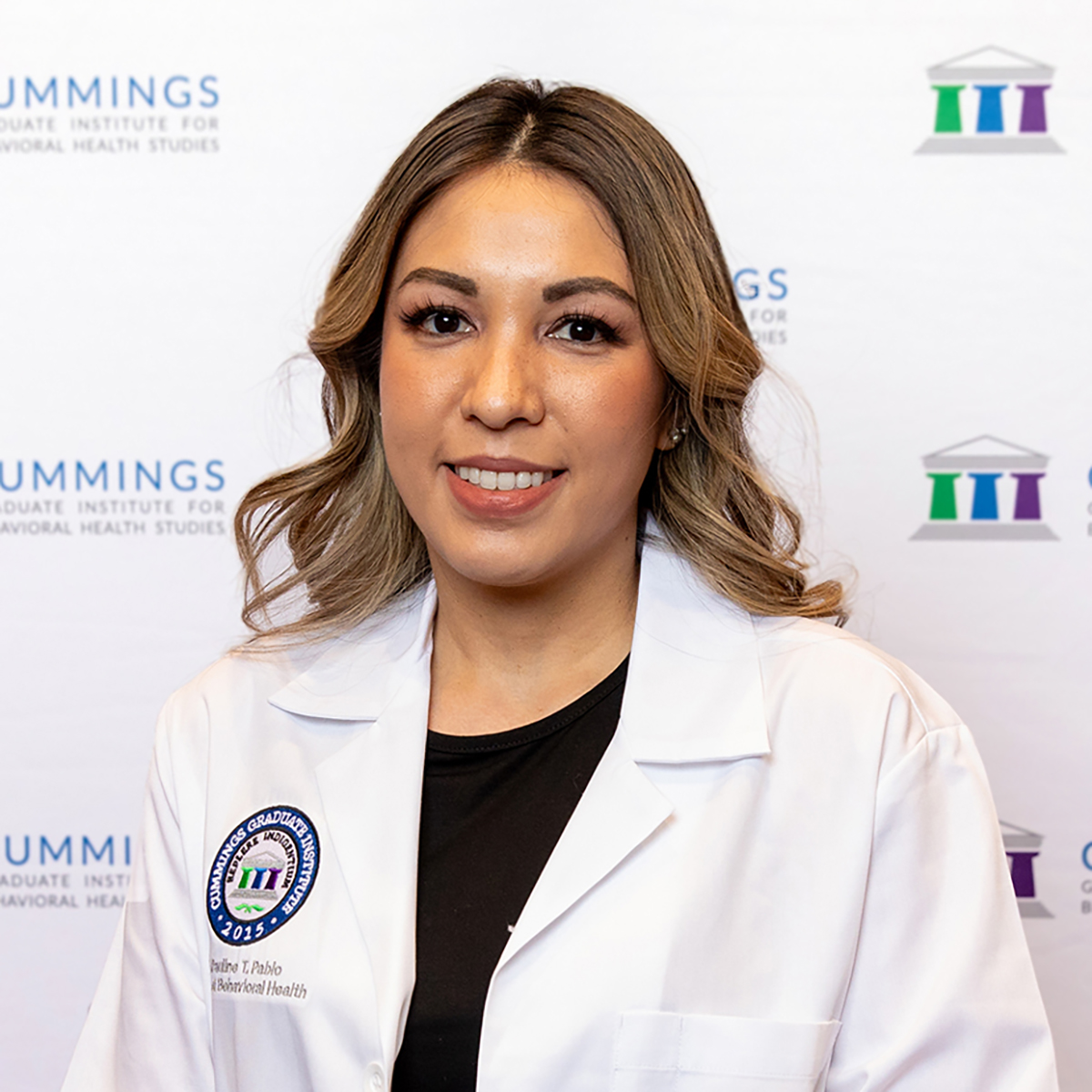
Dr. Pablo was in the early stages of establishing her business when she enrolled at CGI. As her organization grew, the knowledge she gained became part of how she approached everything from organizational decisions to the experiences of her patients and employees.
“The program equipped me with essential healthcare leadership and entrepreneurial skills, allowing me to ensure high-quality services for my clients and foster a supportive work environment for our staff.”
Her experience offers a particularly clear picture of the professional value of a DBH. The leadership and quality improvement skills she developed have supported her growth as a healthcare entrepreneur while helping her build an organization focused on both patient care and provider well-being.
For Dr. Allison Earl, DBH, LPC-S, the value of that professional growth also comes through preparing others to lead.
A former teacher turned behavioral health professional, Dr. Earl specializes in women’s mental health, trauma-informed care, and autism diagnosis and treatment. She combines clinical practice with supervision, research, and professional education.
Her DBH education strengthened her confidence in treating complex cases and helped her engage with healthcare leaders and policymakers in ways she hadn’t experienced earlier in her career.
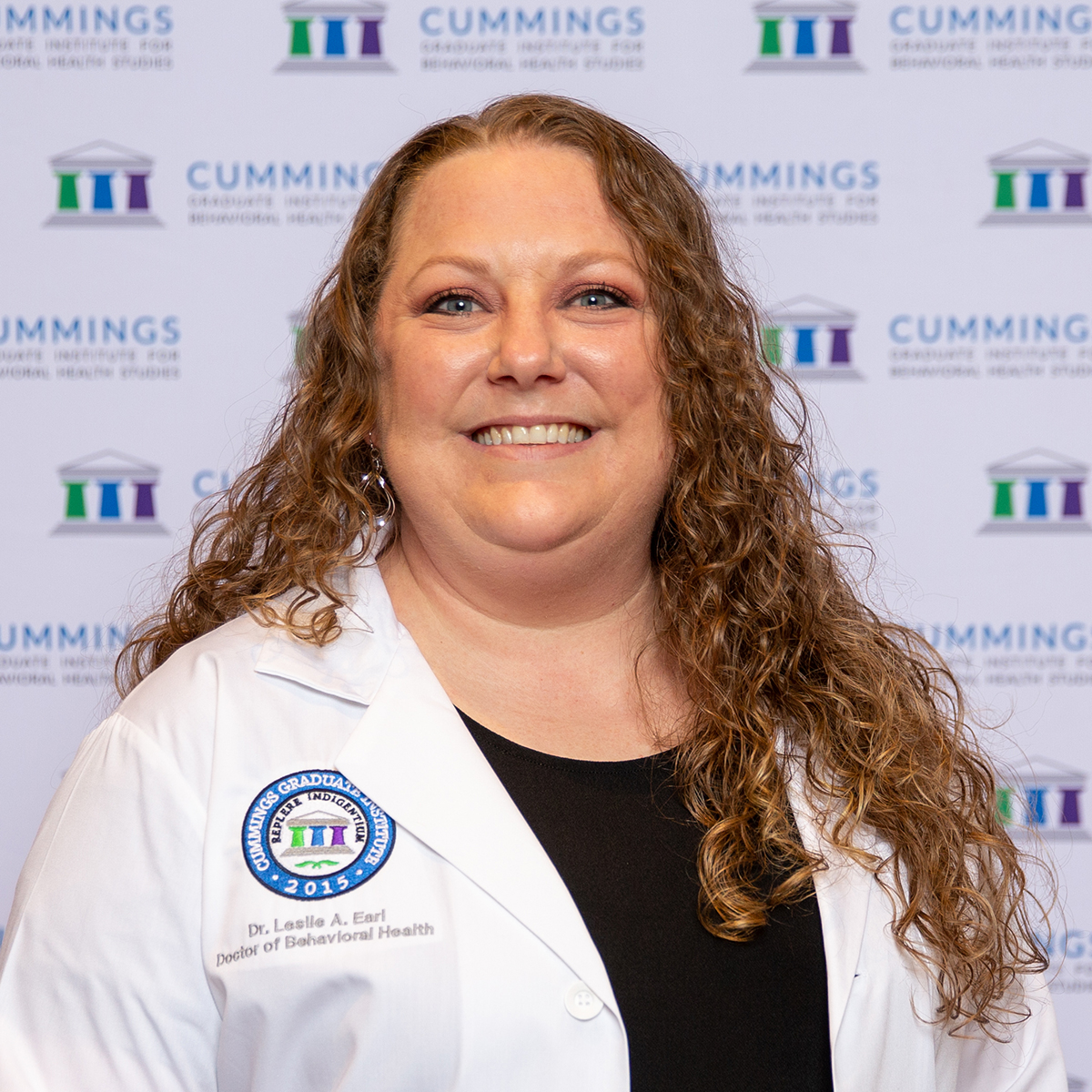
“By becoming a DBH, I have found that I am able to have different conversations with different people.”
Those conversations have expanded her ability to contribute beyond the treatment room, while her work supervising emerging clinicians allows her to share that knowledge with the next generation. It’s a responsibility shared by Dr. Blakes, who also supervises new professionals, and Dr. Pablo, whose leadership emphasizes the well-being of patients and providers alike. Their influence continues through the professionals they support and the care those professionals go on to provide.
The determination to do more runs through all six stories.
Each graduate arrived at CGI with experience, ambition, and a sense that healthcare could be better. Their DBH education helped them take those ambitions further. For some, the return has meant growing a business, developing new services, or pursuing opportunities beyond traditional clinical practice. For others, it has meant greater confidence, stronger leadership skills, and the ability to contribute to decisions that shape healthcare.
And the benefits extend well beyond their individual careers. They’re reflected in the caregivers finding support in Memphis, the patients accessing culturally responsive treatment in Arizona, the individuals receiving care through Dr. Francis’ social work practice, and the inclusive services Dr. Pablo is building in California. They continue through Dr. Lewis’ efforts to reach men outside traditional healthcare settings and the clinicians Dr. Earl mentors.
For these alumni, the return on their DBH education extends beyond a new title. It can be seen in the practices they’ve grown, the leadership responsibilities they’ve embraced, and the opportunities they’ve created for themselves and others. Their professional growth has become a way to reach more people, strengthen services, and bring new ideas into healthcare.
Their stories show what advanced education can make possible when it builds upon years of experience, a commitment to serving others, and the determination to challenge what’s not working.
Dr. Blakes offered a piece of advice that speaks to the spirit behind all six stories:
“Don’t wait for someone to give you permission to lead. Use this degree to build your own path, and then make space for others too.”