
Cummings Graduate Institute for Behavioral Health Studies (CGI) proudly celebrated eight new Doctors of Behavioral Health (DBH) at its commencement ceremony on June 26, 2026, in Chandler, Arizona, on the ancestral homelands of the Akimel O’odham (Pima) and Pee Posh (Maricopa) Peoples of the Gila River Indian Community, who have been stewards of this land since time immemorial. The celebration honored an accomplished group of graduates whose diverse experiences, expertise, and areas of focus reflect a shared commitment to improving healthcare and advancing integrated behavioral health in the communities they serve.
Graduate Highlights:
Dr. Sherry Barbour, DBH, MA, IMFT
Dr. Sherry Barbour is a Doctor of Behavioral Health and licensed Marriage and Family Therapist, AAMFT Approved Supervisor, entrepreneur, educator, and co-owner of Inspiring Purpose Counseling Group and The Couples Couch LLC. Her work focuses on strengthening relationships and advancing integrated approaches to women’s health, with a particular emphasis on perimenopause and menopause care. Her Doctor of Behavioral Health (DBH) Culminating Project, PAUSE! The Case for Integrated Care in Menopausal Health, addresses gaps in care for women experiencing perimenopause and menopause through an integrated framework combining medical care, mental health support, and wellness resources. PAUSE, which stands for Physical Health, Awareness, Understanding, Support, and Empowerment, is designed to promote coordinated, multidisciplinary care and improve health outcomes for women navigating this significant life transition.

CDR Dr. Sean K. Bennett, DBH, LCSW, MSWAC, BCD
CDR Dr. Sean K. Bennett serves as the Behavioral Health and Wellness Officer for the National Oceanic and Atmospheric Administration (NOAA) Office of Marine and Aviation Operations, where he leads efforts to strengthen the psychological health and resilience of more than 1,200 NOAA Corps officers, civilians, and professional mariners. As a Doctor of Behavioral Health (DBH), Dr. Bennett brings an integrated approach to advancing health and wellness across complex healthcare and organizational systems. An active-duty Captain in the U.S. Public Health Service, Dr. Bennett has held behavioral health leadership roles with the ICE Health Service Corps and Indian Health Service, where his work included developing and implementing suicide prevention initiatives and advancing culturally responsive behavioral health programs. His Doctor of Behavioral Health (DBH) Culminating Project, Blood Pressure Control Among African Americans: A Comprehensive Literature Review, examines evidence-based clinical, behavioral, and community-based strategies for addressing hypertension disparities among African American populations, with particular attention to culturally tailored interventions, patient engagement, social determinants of health, and integrated care. His work reflects a continued commitment to improving health outcomes and advancing equitable, integrated approaches to care.

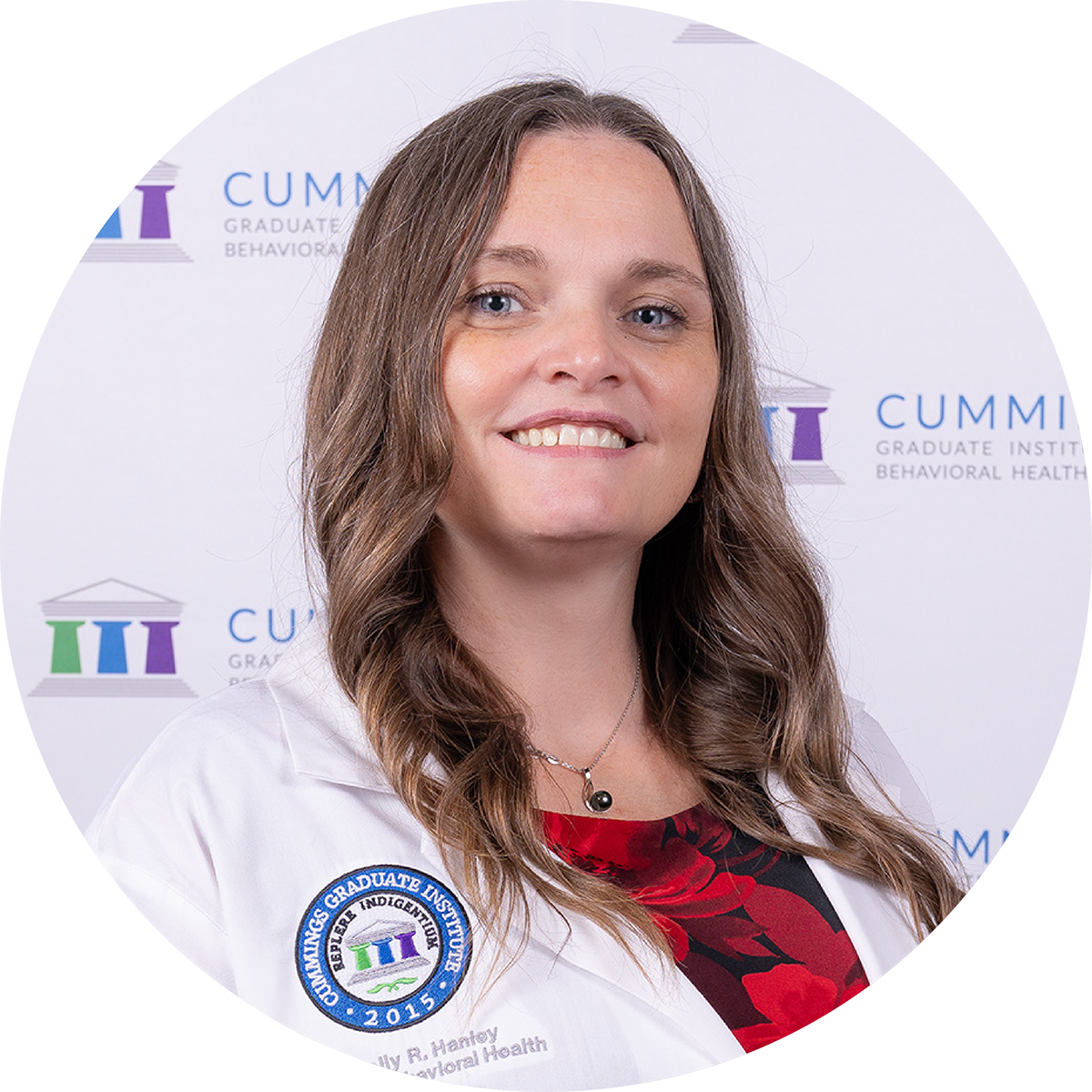
Dr. Holly Hanley, DBH, LMFT
Dr. Holly Hanley is a Doctor of Behavioral Health and a Licensed Marriage and Family Therapist in New York, AAMFT-approved supervisor, and founder of Presently Processing, a private practice specializing in marriage, family, and individual therapy. With more than 10 years of clinical experience, Dr. Hanley combines her expertise in relational therapy with a commitment to advancing holistic, integrated care for women navigating the menopause transition. Her DBH Culminating Project, The Holistic Approach to the Menopause Transition: A Comprehensive Literature Review, examined 55 peer-reviewed studies exploring interventions including mindfulness, yoga, cognitive behavioral therapy, and trauma-informed care. Building on this work, she founded Embracing Her, a DBH-led integrated care model designed to provide therapy, support, and education related to the menopause transition. Her work reflects a commitment to empowering women and families while helping prepare clinicians to better understand and address the behavioral and physical health needs associated with menopause.
Dr. Nikole Jiggetts, DBH, LCSW, RPT-S, CTP
Dr. Nikole Jiggetts is a Doctor of Behavioral Health, Licensed Clinical Social Worker, Registered Play Therapist-Supervisor, and Certified Trauma Practitioner with more than 20 years of experience serving children, adolescents, and families. As CEO and owner of Replay Counseling & Consulting, she provides trauma-informed, collaborative behavioral healthcare and also serves as an adjunct professor at Virginia Commonwealth University’s School of Social Work. Her DBH Culminating Project, Being Seen and Heard: Black Women’s Retrospective Experiences of Perinatal Mental Health Screening and Care, explored Black women’s experiences with mental health screening and care during pregnancy and postpartum, identifying gaps in follow-up care as well as experiences of feeling dismissed or unheard by healthcare providers. Her findings underscore the importance of culturally responsive communication, addressing implicit bias, and integrating physical and behavioral healthcare to strengthen trust, reduce disparities, and improve maternal health outcomes for Black women.

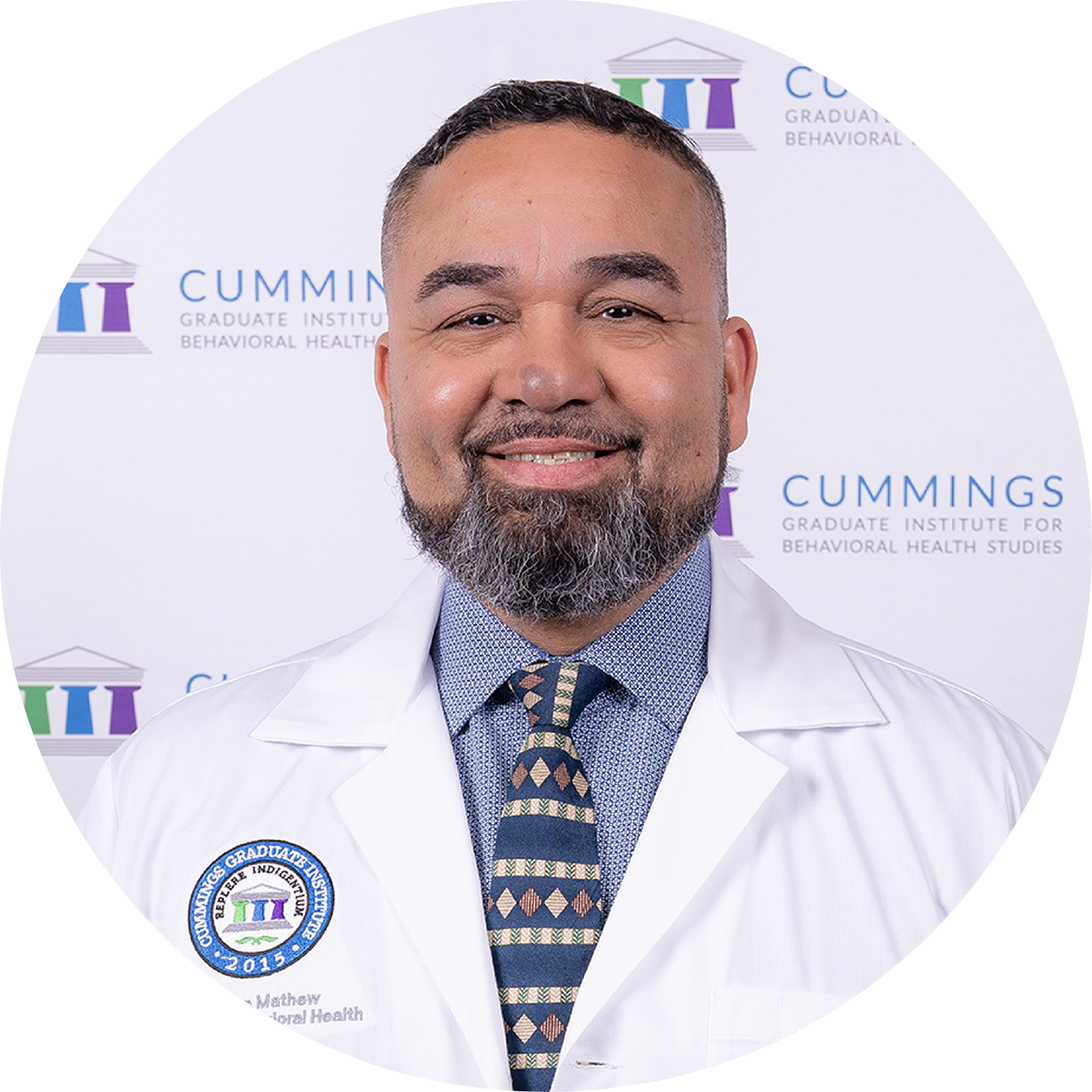
Dr. Jose Mathew, DBH, LCSW, LAC, ACS, EMDR-T, CCTP-II
Dr. Jose Mathew is a Doctor of Behavioral Health and experienced behavioral health clinician whose work is grounded in advocacy, equity, trauma-informed care, and expanding access to integrated health services. As Director of Behavioral Health Services for Mountain Valley Behavioral Health, Dr. Mathew provides strategic leadership in program development and clinical operations, drawing on more than a decade of experience across inpatient psychiatry, crisis services, disaster response, assertive community treatment, dual-diagnosis care, and clinical training. His DBH Culminating Project, Bridging Healthcare Divides Through Mobile Integrated Behavioral Healthcare Service Delivery, explores a mobile integrated care model that combines behavioral health services, public health strategies, preventive screening, chronic disease management, and care coordination to improve access and outcomes for older adults with comorbid conditions in medically underserved communities. His work reflects a commitment to reducing healthcare disparities and advancing innovative, person-centered models of integrated care.
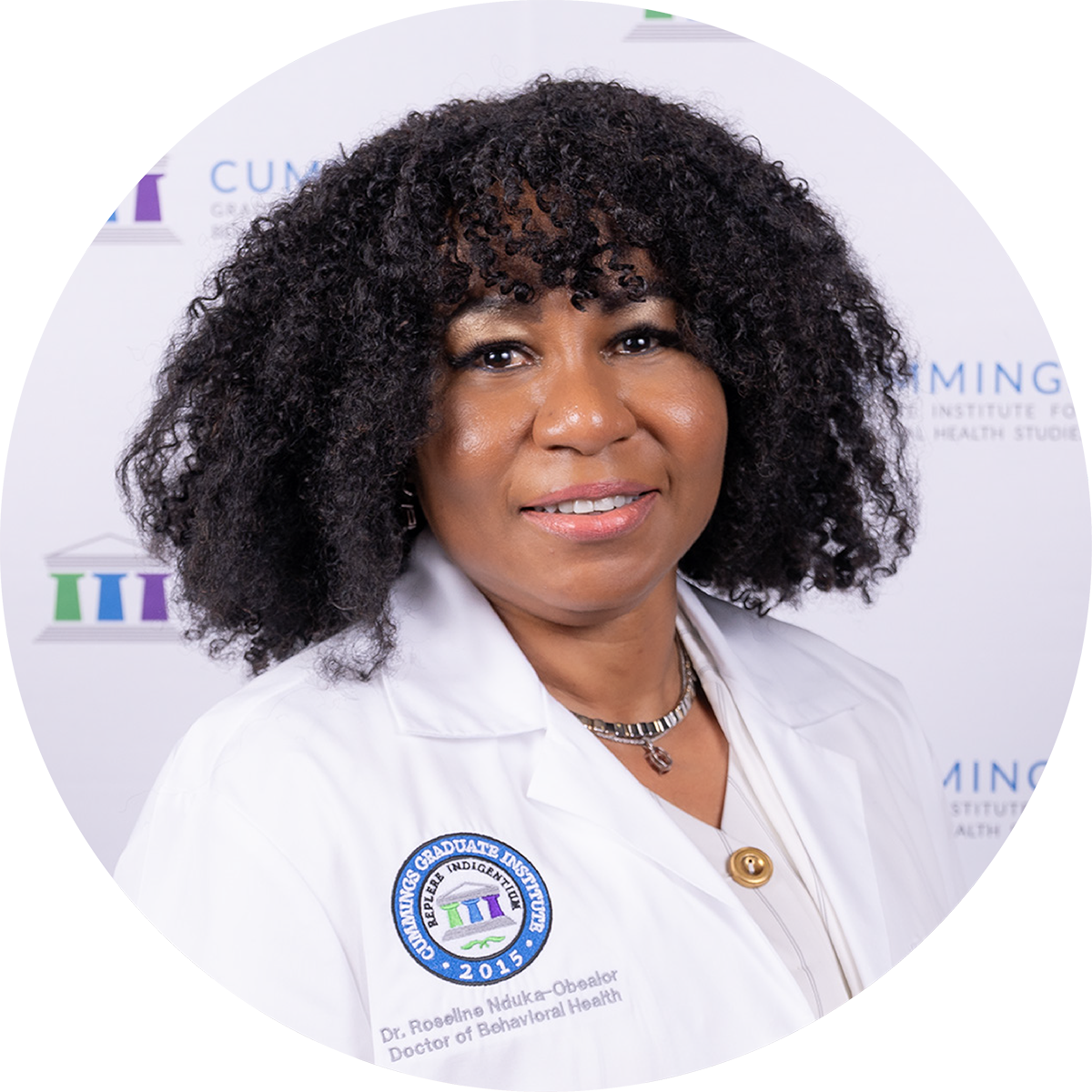
Dr. Roseline Obealor, DBH, MS
Dr. Roseline Obealor is a Doctor of Behavioral Health whose work focuses on integrated care and improving access to culturally responsive, whole-person healthcare. Her DBH Culminating Project, Culturally Responsive Telehealth and Trauma-Informed Education in Perinatal Mental Health, examines how culturally responsive care and trauma-informed principles can be integrated into telehealth to address gaps in mental health services during pregnancy and the first year postpartum. Her work explores barriers including cultural stigma, systemic inequities, language differences, prior trauma, and limited access to specialized care while emphasizing safety, trust, empowerment, collaboration, and cultural humility. By bringing together behavioral health, maternal healthcare, technology, and culturally responsive practices, Dr. Obealor’s work seeks to advance more accessible, inclusive, and compassionate approaches to perinatal mental health care and strengthen outcomes for women and families.
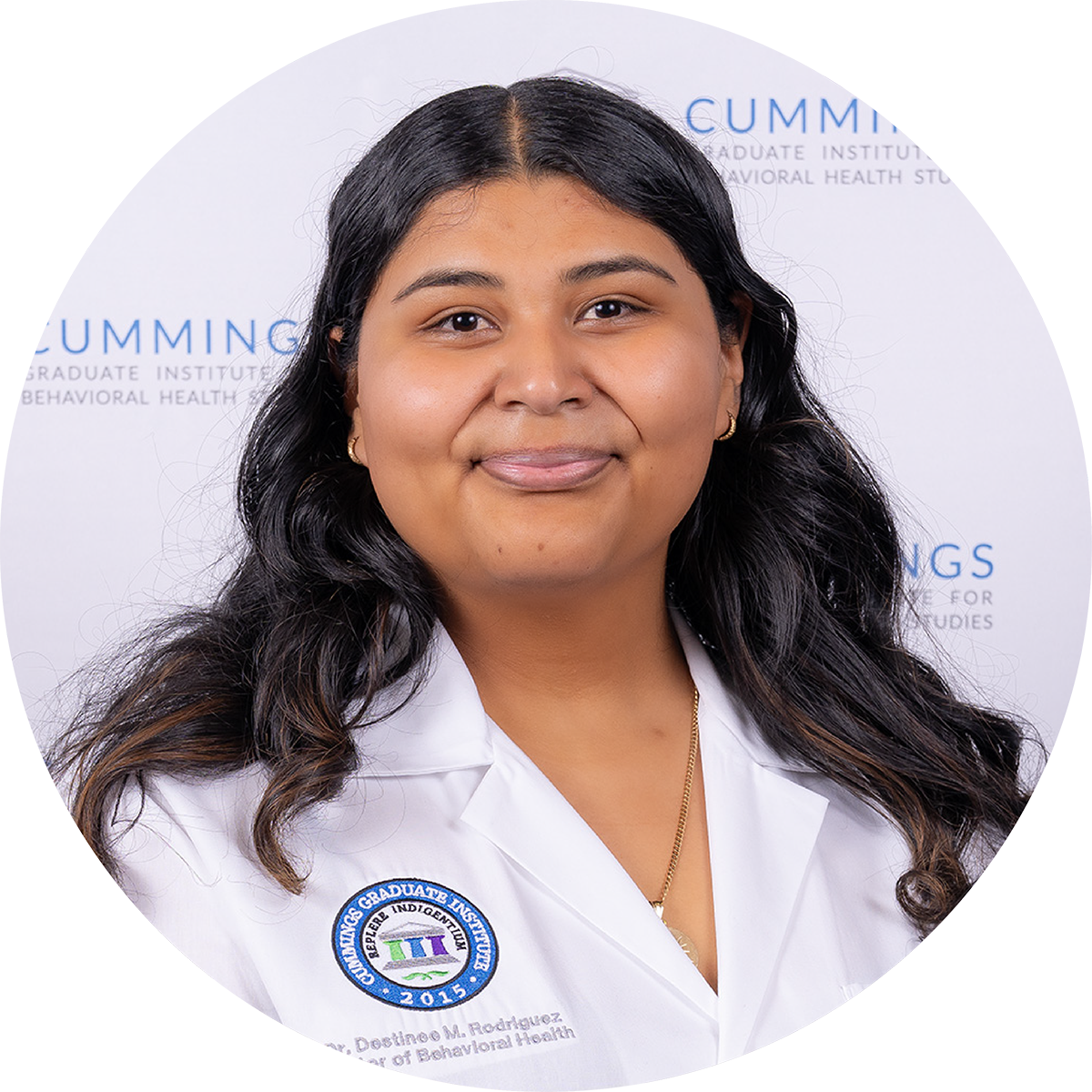
Dr. Destinee Rodriguez, DBH, BCBA
Dr. Destinee Rodriguez is a Doctor of Behavioral Health and Board-Certified Behavior Analyst whose work focuses on culturally responsive care, caregiver education, and equitable access to behavioral health services. She has provided in-home and clinical applied behavior analysis (ABA) services to English- and Spanish-speaking children and families throughout California’s Central Coast and plans to continue this work through her private practice, Connecting ABA. Her DBH Culminating Project, Training Gaps in ABA Therapy: Caregiver Perception of Emotional Stress Impacts and Parent-Child Relationships Outcomes, examined caregiver perceptions of gaps in ABA training and compared self-guided and clinician-led approaches. Her findings highlight the value of clinician-led training in strengthening caregiver understanding and competence, supporting caregiver well-being, and improving caregiver-child relationships. Dr. Rodriguez plans to apply these findings through Connecting ABA to expand access to evidence-based, culturally inclusive, and relationship-focused behavioral health services for children and families.
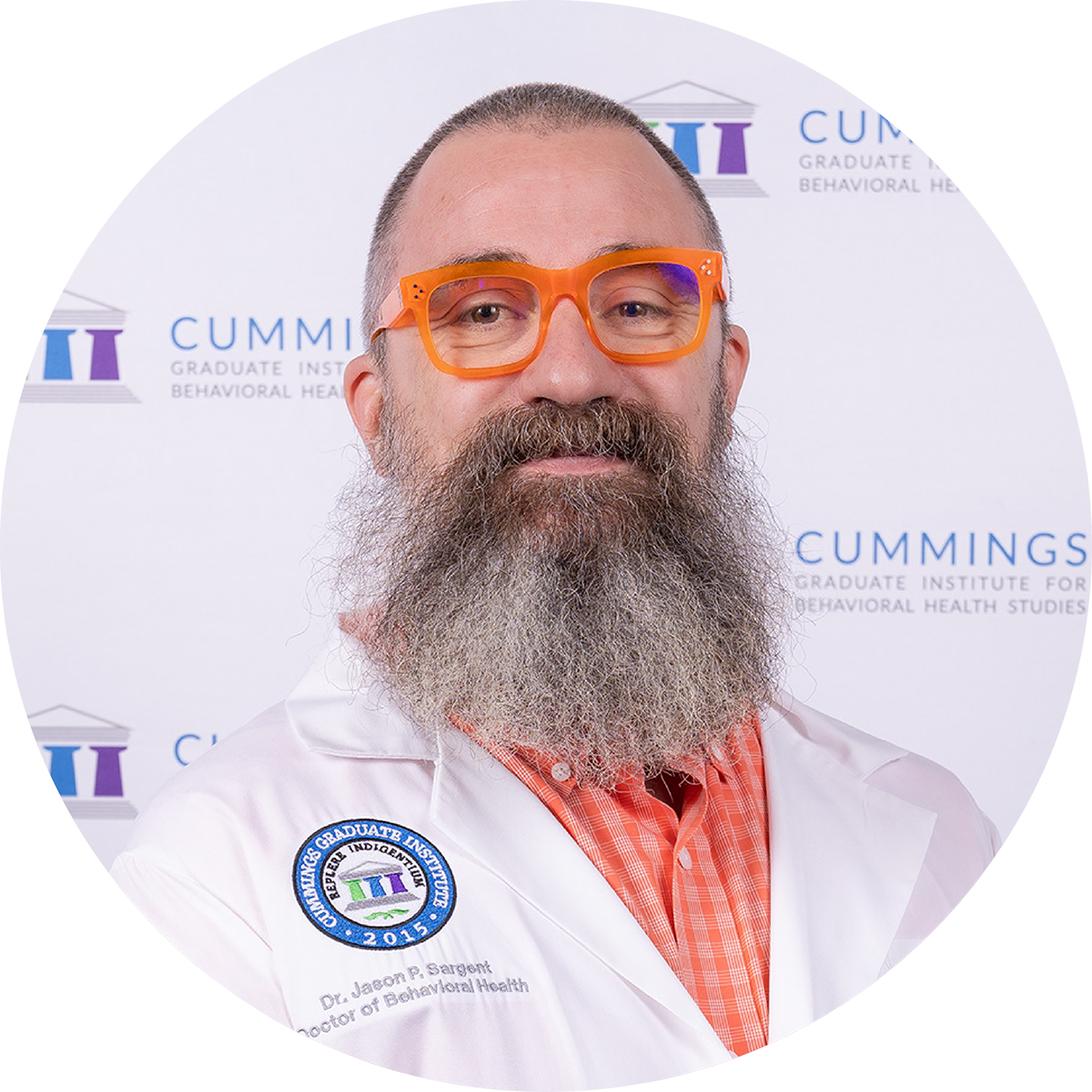
Dr. Jason Sargent, DBH, B Policing, GDip Psych, MSW, JP
Dr. Jason Sargent is a Doctor of Behavioral Health, mental health practitioner, and founder of Healthy Mind International PTY LTD in South Australia. His career has spanned service in the Australian Army and Australian Federal Police, including counterterrorism and international deployments, as well as roles with the Australian government. Drawing on his professional expertise and lived experience with post-traumatic stress disorder (PTSD), Dr. Sargent transitioned into behavioral healthcare and founded Healthy Mind International, which has expanded to three locations providing care focused on trauma, autism, neurodevelopmental conditions, and other mental health needs. His DBH Culminating Project, Lived Experience Matters: Closing the Knowledge Gap in PTSD Treatment, examines whether excluding patients’ lived experiences from PTSD research, diagnosis, and treatment contributes to gaps in care and explores opportunities to better integrate those perspectives into clinical practice. His work reflects a commitment to strengthening trauma-informed, patient-centered care and improving the connection between lived experience, clinical knowledge, and treatment outcomes.
“At CGI, each student chooses an area of focus that is largely influenced by their own lived experience as clinicians, but also as patients and caregivers themselves. The Doctor of Behavioral Health degree helps them prepare to lead healthcare improvement initiatives by partnering with people and communities. I am so proud of each of our new graduates and can’t wait to see them follow their visions as DBHs.”
– Dr. Cara English, CEO and CAO of Cummings Graduate Institute for Behavioral Health Studies.
The Doctor of Behavioral Health (DBH) program at CGI prepares healthcare professionals to lead meaningful change in integrated behavioral healthcare through advanced education, research, and collaboration. Graduates are equipped to address complex health challenges, bridge gaps between medical and behavioral healthcare, and advance innovative, whole-person approaches to care across healthcare and community systems.
For more about the DBH program, visit cgi.edu/dbh.
About Cummings Graduate Institute
Cummings Graduate Institute for Behavioral Health Studies is a nonprofit, DEAC-accredited, online institution of higher learning offering post-graduate education and training in the field of integrated behavioral healthcare. CGI is focused on meeting the healthcare industry’s need for a highly-skilled workforce to support an integrated approach to addressing patients’ needs.
Media Contact
Melissa McGurgan, Senior Director of Marketing
Cummings Graduate Institute for Behavioral Health Studies
melissa@cgi.edu
For additional information or to arrange an interview with CGI or a featured graduate, please contact Melissa McGurgan.