 Cummings Graduate Institute for Behavioral Health Studies (CGI) proudly celebrated the graduation of ten new Doctors of Behavioral Health (DBH) during the DBH commencement ceremony held on May 12, 2025, in Chandler, Arizona, on the ancestral homelands of the Akimel O’odham (Pima) and Pee Posh (Maricopa) Peoples of the Gila River Indian Community, who have been stewards of this land since time immemorial. The event honored a diverse group of healthcare visionaries committed to advancing integrated behavioral health through leadership, innovation, and advocacy.
Graduate Highlights:
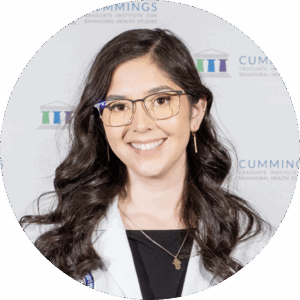 Dr. Jilian Aesir, DBH, M.Ed.
Dr. Jilian Aesir is a Doctor of Behavioral Health and STEM educator serving the Central Coast of California, dedicated to empowering secondary and post-secondary students to engage deeply in scientific and medical learning as they prepare to become future innovators and global contributors. Her work centers on neuropathology, adolescent suicidality, and restructuring systems to improve mental health service delivery within school environments. Her culminating project, A Population Health Approach to Identifying and Mitigating Adolescent Suicidality and Associated Risk Factors in Educational Settings, explores how a district-wide population health framework can better identify students at risk for suicidality and reduce symptom severity through data-driven interventions. Through research and a community needs assessment, she developed a multi-level system integrating district, school, and community partnerships to enhance screening, assessment, and referral processes for at-risk adolescents.
Learn more about Dr. Aesir and her culminating project.
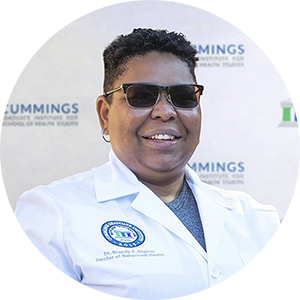 Dr. Brandy K. Biglow, DBH, LMHC, QS, CCTP
Dr. Brandy K. Biglow is a Doctor of Behavioral Health and the co-founder of Renovation Integrative Health, LLC, and has spent 12 years serving as a counselor, clinical supervisor, and licensed clinical program manager. A licensed mental health counselor and supervisor in Florida, she is also a certified clinical trauma professional, certified coach, and burnout expert. During her Doctor of Behavioral Health studies at Cummings Graduate Institute, she completed certificates in Integrated Behavioral Health, specializing in Leadership and Military Families and Veterans. Her culminating project, Surveying Occupational Burnout, Self-Care Practices, and Work Environment in the Healthcare Industry, combined a literature review, mixed-methods research, and a business plan for RIH to identify how workplace conditions and self-care practices influence burnout among healthcare professionals. Her findings highlight opportunities for improved support, prevention, and system-level interventions to reduce burnout and strengthen the healthcare workforce.
Learn more about Dr. Biglow and her culminating project.
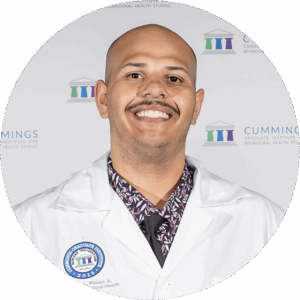 Dr. Eddie Lee Blakes Jr., DBH, MSAC, LIAC, BHP
Dr. Eddie Lee Blakes Jr. is a Doctor of Behavioral Health and the Founder/CEO of VR Psych Services LLC, where they are pioneering Trauma-Focused Virtual Reality Therapy to transform access to trauma care. Inspired by their upbringing in Peoria, Illinois, and years of experience supporting high-risk youth and adults across multiple levels of care, Dr. Blakes is committed to creating equitable, innovative mental health solutions for underserved communities. Their culminating project, Treating Trauma’s Effects on the Body, Mind, and Soul Through Virtual Reality-Trauma Focused Therapy (VR-TFT), explores how integrating virtual reality with established trauma treatments, such as Trauma-Focused Cognitive Behavioral Therapy (TF-CBT), Cognitive Processing Therapy (CPT), and Eye Movement Desensitization and Reprocessing (EMDR), can enhance emotional regulation and reduce symptoms of treatment-resistant PTSD, depression, and anxiety. By engaging all five senses through immersive VR environments, their work demonstrates how VR-TFT can improve patient engagement, strengthen therapeutic outcomes, and bridge the gap between traditional trauma care and emerging technology.
Learn more about Dr. Blakes and their culminating project.
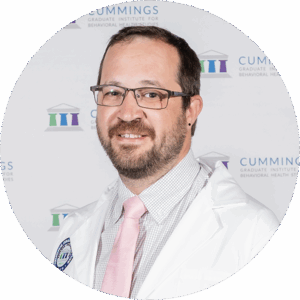 Dr. Cory H. Cannady, DBH, BCBA, LBA
Dr. Cory H. Cannady is a Doctor of Behavioral Health based in Chattanooga, Tennessee, whose career spans education and applied behavior analysis. Originally from Holladay, Tennessee, he earned his bachelor’s degree in secondary English education before transitioning into Applied Behavioral Analysis (ABA), completing his master’s degree at the University of Cincinnati and becoming a Board Certified Behavior Analyst in 2019. He now serves as Assistant Clinical Director at Elevate Behavior Services, where he supports families, advances evidence-based ABA practice, and mentors aspiring clinicians. For his DBH culminating project, he focused on developing a structured, objective framework for determining effective ABA dosage in pediatric outpatient settings. His project addresses the long-standing gap in standardized dosage guidelines by analyzing medical necessity criteria and historical pediatric data for children ages 15 months to 14 years, offering a model designed to improve consistency, clinical decision-making, and patient outcomes.
Learn more about Dr. Cannady and his culminating project.
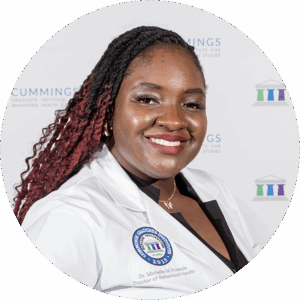 Dr. Michelle Francis, DBH, LCSW, LICSW, QS
Dr. Michelle Francis is a Doctor of Behavioral Health and Licensed Clinical Social Worker committed to expanding access to compassionate, culturally responsive mental health care. Born in Jamaica and raised in South Florida, she founded Pinnacle Clinical Solutions to serve clients in Florida, Texas, and Massachusetts, inspired by early experiences witnessing the impact of untreated mental health symptoms in communities with limited resources. Her work blends professionalism, cultural insight, and a deep dedication to empowering clients and future clinicians. Her culminating project, Improving Access to Treatment in African American Communities Through Integration and Collaboration, explores how culture, religion, and race influence treatment-seeking behaviors among African American adults with co-occurring mental health and substance use symptoms, and evaluates whether embedding culturally competent behavioral health services within primary care can increase referral follow-through and improve health outcomes.
Learn more about Dr. Francis and her culminating project.
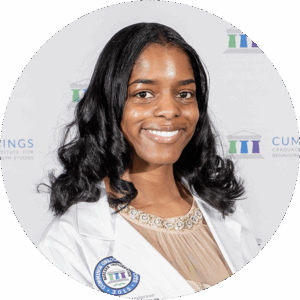 Dr. Jerrika Olivia Henderson, DBH, CMHC
Dr. Jerrika Olivia Henderson is a Doctor of Behavioral Health and Clinical Mental Health Counselor with a background in counseling, business development, and community-based healthcare in Memphis, Tennessee. Dedicated to improving health outcomes for diverse populations, she has supported individuals, families, and organizations through patient-centered, mindfulness-informed care and quality service delivery. Her culminating project, Enhancing Consumer Outcomes through Effective Care Management: The Impact of Quality of Service Within a Community Setting Utilizing a Patient-Centered Care Approach, examines how personalized care plans, effective communication, and collaborative service models influence consumer outcomes in community health settings. By highlighting the critical role of patient-centered care in strengthening satisfaction and improving overall health outcomes, Dr. Henderson’s research offers actionable strategies for elevating service quality and advancing community-based behavioral healthcare.
Learn more about Dr. Henderson and her culminating project.
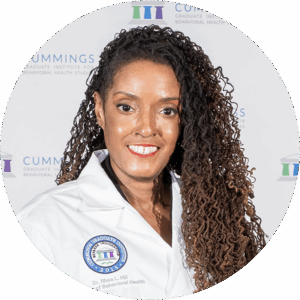 Dr. Rhea L. Hill, DBH, LPC
Dr. Rhea L. Hill is a Doctor of Behavioral Health and licensed professional counselor based in Dallas, Texas, with more than a decade of experience supporting survivors of domestic violence, youth with behavioral challenges, and individuals facing depression, anxiety, trauma, and women’s mental health concerns. She holds degrees from Dallas Baptist University and Nova Southeastern University, a Doctor of Behavioral Health from Cummings Graduate Institute, and an Entrepreneurship Certificate from El Centro College. For the past eight years, she has led her private practice while remaining active as a National Certified Counselor and Texas Counseling Association member. Her culminating project, Factors Contributing to the Development of Autoimmune Diseases in Trauma Survivors and the Impact of Equine-Assisted Therapy on Treatment Outcomes, examines how trauma-related autoimmune symptoms interact with equine-assisted therapy and how collaboration with medical providers can strengthen treatment outcomes and support holistic wellness.
Learn more about Dr. Hill and her culminating project
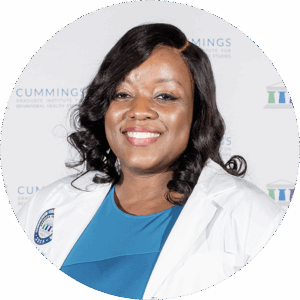 Dr. Shadiase R. Jack, DBH, LCSW-C, M. Sc.
Dr. Shadiase R. Jack, a Doctor of Behavioral Health from the Republic of Trinidad and Tobago, is a Licensed Certified Social Worker with more than a decade of experience providing mental health services to diverse populations across varying socio-economic backgrounds. She holds a bachelor’s degree in Behavioral Sciences from Andrews University and dual master’s degrees in Social Work and Gerontology from Loma Linda University. Guided by a commitment to improving the well-being of individuals and families, she aims to advance healthcare throughout the Caribbean by integrating mental health services into primary care systems. Her culminating project, Integrated Healthcare in the English-Speaking Caribbean, explores how adopting integrated healthcare models alongside electronic medical record systems can strengthen care coordination, enhance service quality, and improve overall health outcomes throughout the region.
Learn more about Dr. Jack and her culminating project
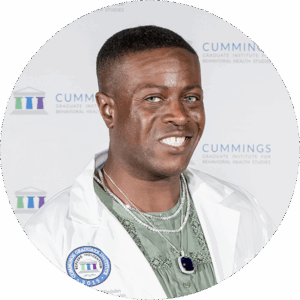 Dr. Markias Kaiyan Littlejohn, DBH, LCSW, CST
Dr. Markias Kaiyan Littlejohn is a Doctor of Behavioral Health, Licensed Sex Therapist, Clinical Sexologist, and Integrative Practitioner specializing in sexual health since 2013. As the owner of Kairos Therapeutic Alliance, LLC and a member of AASECT and the Royal Society of Medicine (UK), he has advanced effective sexual and mental health interventions across the U.S. and U.K., helping clients reclaim healthy sexuality through innovative, discreet, evidence-based approaches grounded in sex therapy, medical sexology, and neuroplastic sexual training. His culminating project, Utilizing Sexological Interventions in Primary Care to Improve the Sexual Functioning and Quality of Life for Men Experiencing Sexual Dysfunction, introduces the Sexological Interventions in Primary Care (SIP-C) model, a structured pathway that reduces stigma, equips providers to address sexual health confidently, and integrates accessible assessment and treatment options. The project demonstrates how SIP-C can improve outcomes, strengthen workflows, and fill a critical national gap in male sexual health care.
Learn more about Dr. Littlejohn and his culminating project.
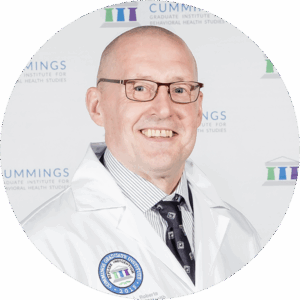 Dr. Kenneth L. Roberts, DBH, MPS, LPCC, LADC
Dr. Kenneth L. Roberts is a Doctor of Behavioral Health (DBH), Director of Behavioral Health at La Clinica del Pueblo, and Founder of KLR Behavioral. With over 15 years of experience as a clinician, clinical supervisor, and administrator, he has worked across multiple levels of co-occurring care treating substance use and mental health disorders. He is certified in Prolonged Exposure (PE) and Accelerated Resolution Therapy (ART) for the treatment of PTSD. Dr. Roberts holds a master’s degree in Professional Studies (Co-Occurring Disorders) from the University of Minnesota and a DBH from Cummings Graduate Institute (CGI), where he also serves as adjunct faculty alongside Metropolitan State University. His culminating project, Entrepreneurial Development of Integrated Recovery Services (IRS) and the Integrated Narrative Schema Exposure Model (INSET), outlines a research-based business plan for a trauma-informed training company designed to expand clinician access to high-quality instruction and improve outcomes for individuals with co-occurring PTSD and substance use disorder.
Learn more about Dr. Roberts and his culminating project.
“CGI graduates are different,” said Dr. Cara English, Chief Executive Officer and Chief Academic Officer of CGI. “Not only do they fundamentally understand that the person seeking care must be restored to the center of care design, they passionately pursue joining with the individual to get to the root causes of their health concerns so that they can experience relief as soon as possible and without developing dependence on the clinician or system. These Doctors of Behavioral Health are innovating healthcare with a better quality of life for all as their compass. I am so proud of their work.”
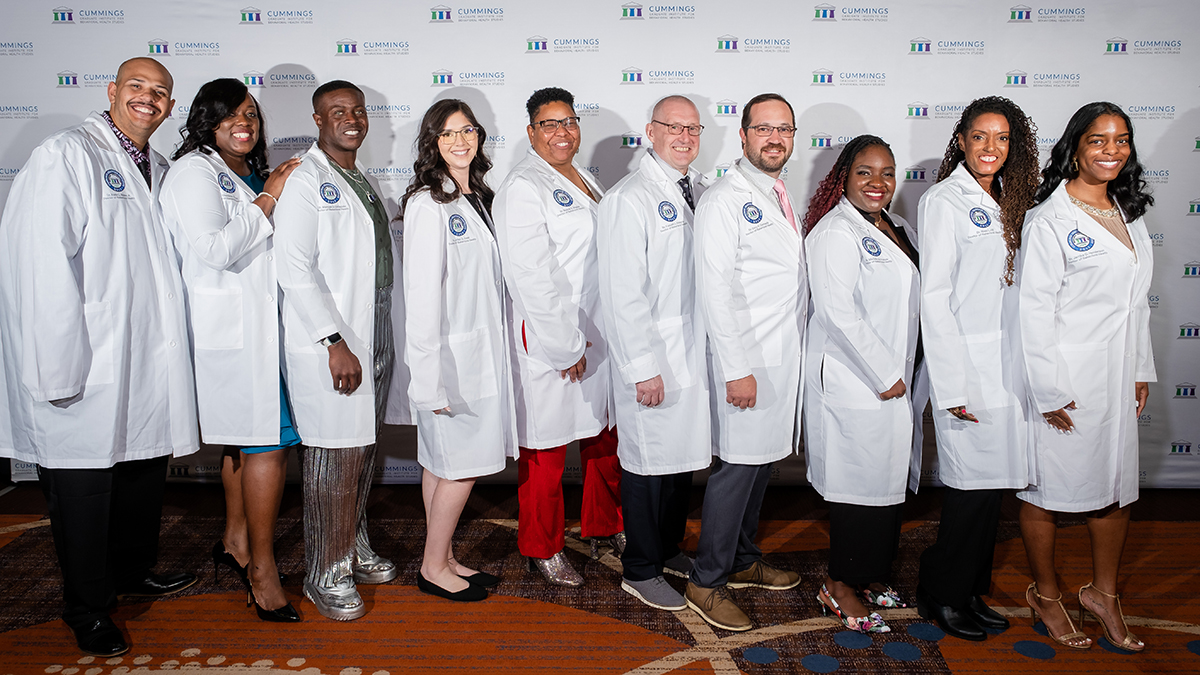
The DBH program at CGI prepares healthcare professionals to lead transformative change in integrated behavioral healthcare delivery through advanced education, research, and collaboration. Graduates are equipped to address complex health challenges across medical, behavioral, and community systems.
For more about the DBH program, visit cgi.edu/dbh.
About Cummings Graduate Institute
Cummings Graduate Institute for Behavioral Health Studies is a nonprofit, DEAC-accredited, online institution of higher learning offering post-graduate education and training in the field of integrated behavioral healthcare. CGI is focused on meeting the healthcare industry’s need for a highly-skilled workforce to support an integrated approach to addressing patients’ needs.
For further information or to arrange interviews, contact:
Cummings Graduate Institute for Behavioral Health Studies
Melissa McGurgan, Sr. Director of Marketing
melissa@cgi.edu