 Creating Pathways to Resilience: Dr. Leolani Ah Quin on Integrated, Culturally Responsive Care
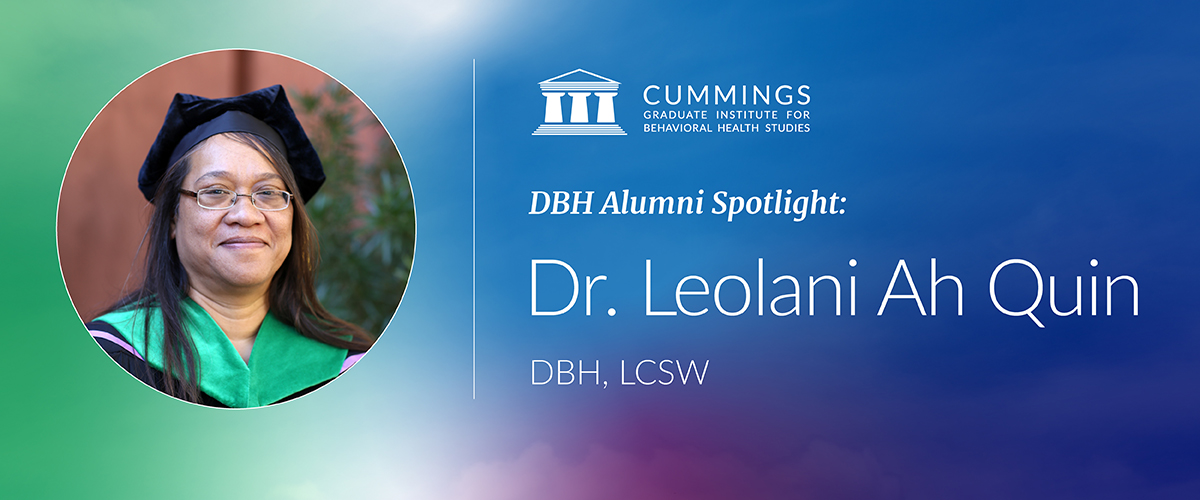
Dr. Leolani Ah Quin, DBH, LCSW, is a behavioral health leader, therapist, and educator with more than a decade of experience in integrated healthcare, trauma-informed care, and resilience-focused programming. As the founder of Maoli Ola Health – Native Resilience, she combines clinical expertise with culturally grounded approaches to help individuals and communities move from survival to thriving. Her work spans clinical care, leadership, program development, consultation, and education, with a focus on resilience, nervous system regulation, trauma recovery, and expanding access to whole-person behavioral healthcare. In this interview, Dr. Ah Quin shares how her DBH experience shaped her approach to systems thinking and integrated care, strengthened her leadership, and continues to influence her work advancing culturally responsive behavioral health.
In what ways has your DBH experience influenced your professional practice and leadership?
As a Doctor of Behavioral Health and Licensed Clinical Social Worker, I have built my career around integrating behavioral health, trauma-informed care, and culturally responsive approaches to improve individual and community well-being. My current work spans clinical leadership, direct patient care, program development, consultation, and education.
I am the founder of Maoli Ola Health – Native Resilience, an initiative focused on helping individuals and communities move from survival to thriving through resilience-building, nervous system regulation, and culturally grounded wellness practices. I develop training programs and resources for clinicians, caregivers, and community organizations that bridge behavioral health science with practical, real-world application.
Throughout my career, I have served in integrated healthcare settings, tribal communities, and behavioral health leadership roles. My work has included program development, clinical supervision, utilization management, and the implementation of evidence-based and trauma-informed interventions for individuals experiencing complex trauma, anxiety, depression, grief, and chronic stress.
My DBH training influences my work every day by helping me view health through a whole-person lens. It strengthened my ability to connect behavioral health with physical health outcomes, understand healthcare systems, and collaborate across disciplines to improve patient care. Whether I am conducting clinical assessments, supporting high-risk populations, or developing community wellness programs, I consistently apply the principles of integrated care, population health, and behavioral medicine.
The DBH program also enhanced my leadership skills and reinforced the importance of translating research into practical solutions. It taught me to think beyond individual treatment and consider how systems, culture, social determinants of health, and access to care influence outcomes. This perspective continues to guide my work as I create programs and initiatives that are both clinically sound and culturally meaningful.
Ultimately, my goal is to expand access to behavioral health education and resilience-based interventions while empowering individuals, families, and communities to live healthier, more connected lives.
Looking back, what part of your DBH experience stands out the most to you now?
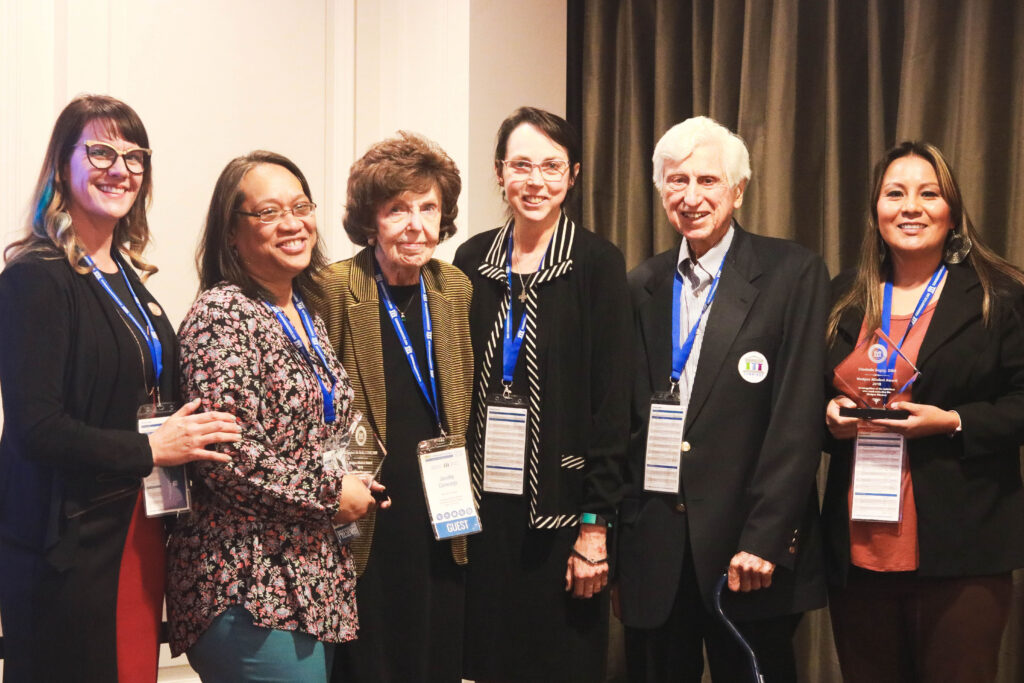
Dr. Leolani Ah Quin celebrates receiving the Biodyne Mindset Award at CGI’s 2018 Integrated Care Conference with Dr. Cara English, Dorothy Cummings, Dr. Janet Cummings, Dr. Nicholas Cummings, and Dr. Gloria Segay.
Looking back, the most meaningful aspect of my DBH experience was learning to think differently about healthcare. The program challenged me to move beyond traditional behavioral health models and see the powerful connection between physical health, mental health, culture, and community.
One of the most impactful lessons was recognizing the value of interdisciplinary collaboration. The DBH program emphasized that no single discipline can address the complex challenges people face. This understanding transformed how I approach patient care, leadership, and program development. I learned to communicate across systems, advocate for integrated care, and create solutions that address the whole person rather than isolated symptoms.
Another lasting influence was the emphasis on innovation and systems thinking. The program encouraged us to identify gaps in care and develop practical strategies to improve outcomes. That mindset continues to shape my work today. Whether I am creating resilience-based programs, supporting vulnerable populations, or developing educational resources, I often find myself asking, “How can we make this more accessible, more integrated, and more impactful?”
Perhaps most importantly, the DBH experience gave me confidence to lead. It reinforced that behavioral health professionals have an essential role not only in direct care, but also in shaping healthcare systems, influencing policy, and creating programs that address the broader needs of communities.
The DBH program affirmed my passion for integrated, culturally responsive care and continues to serve as the foundation for the work I do today. It reminded me that meaningful change happens when we combine clinical expertise with innovation, collaboration, and a commitment to improving the health of the communities we serve.
How has your DBH experience informed your perspective on behavioral health and healthcare systems?
The DBH fundamentally changed the way I view healthcare by reinforcing that behavioral health is not separate from physical health—it is essential to overall health and well-being. The program expanded my perspective beyond traditional clinical practice and taught me to think more broadly about healthcare systems, population health, and the social determinants that influence outcomes.
The DBH strengthened my ability to approach care through an integrated, whole-person lens. I became more intentional about understanding how trauma, chronic stress, culture, physical health conditions, and access to care intersect and impact an individual’s quality of life. Rather than focusing solely on symptom reduction, I now consider how to improve functioning, resilience, and long-term health outcomes.
The program also shifted my thinking from working exclusively with individuals to creating system-level solutions. It gave me the confidence to develop programs, lead interdisciplinary teams, and design initiatives that improve access to behavioral health services, particularly for underserved and Indigenous communities.
Today, whether I am providing direct care, leading programs, or developing educational resources, I consistently apply the principles of integrated care, collaboration, and behavioral medicine. The DBH helped me become not only a better clinician, but also a more effective leader and advocate for whole-person, culturally responsive healthcare.
What key skill, concept, or insight from the DBH do you apply regularly in your professional practice?
One of the most valuable concepts I gained from the DBH program is systems thinking. The program taught me to look beyond presenting symptoms and consider the broader factors influencing health outcomes, including healthcare systems, social determinants, culture, and barriers to care.
I use this approach daily in my work. Whether I am supporting an individual client, consulting with healthcare teams, or developing new programs, I consistently ask, “What factors are contributing to this issue, and where can meaningful change occur?”
Systems thinking has made me a more effective clinician and leader because it allows me to identify gaps, create practical solutions, and collaborate across disciplines. It has also strengthened my ability to develop programs that are sustainable, culturally responsive, and focused on improving outcomes at both the individual and community levels.
This mindset continues to guide my work and is one of the most enduring lessons I took from the DBH experience.
What impact do you aim to have in your field and the communities you serve?
The impact I hope to make is helping individuals and communities move from surviving to thriving by increasing access to integrated, culturally responsive behavioral healthcare.
Throughout my career, I have worked with individuals and families who have experienced trauma, adversity, and significant barriers to care. These experiences have reinforced my belief that healing happens when services honor the whole person—their physical health, mental health, relationships, culture, and community.
I am particularly passionate about building programs that promote resilience and empower people with practical skills to improve their well-being. Through my work with Native Resilience and other initiatives, I hope to expand access to behavioral health education, create sustainable wellness programs, and support helping professionals who are at risk for burnout and compassion fatigue.
I also hope to contribute to the development of future behavioral health leaders by promoting integrated care models and encouraging collaboration across disciplines and systems. My long-term vision is to create programs and resources that are accessible, culturally grounded, and capable of improving health outcomes for underserved populations.
Ultimately, I want my work to leave a legacy of resilience, healing, and hope—where individuals, families, and communities have the tools and support they need to lead healthier, more connected lives.
What advice would you give to prospective students or professionals considering the DBH program?
I would encourage anyone considering the DBH program to be open to thinking differently about healthcare. The program will challenge you to move beyond traditional disciplinary boundaries and see how behavioral health intersects with every aspect of health and wellness.
The DBH is more than an academic degree—it is a leadership experience. It equips you with the knowledge and confidence to improve systems of care, collaborate across disciplines, and develop innovative solutions to complex healthcare challenges.
For me, the program reinforced the importance of integrated, whole-person care and expanded my ability to lead meaningful change within my profession and community.
If you are passionate about improving healthcare outcomes, addressing health disparities, and creating systems that better serve individuals and communities, the DBH program provides both the knowledge and the mindset to help you make that impact.
Dr. Leolani Ah Quin’s work reflects a commitment to helping individuals and communities move beyond survival toward resilience, healing, and sustainable well-being. Her DBH experience expanded her career beyond individual clinical care, strengthening her skills in systems thinking, interdisciplinary collaboration, program development, and leadership. Today, Dr. Ah Quin applies that foundation to develop culturally responsive programs, expand access to behavioral health resources, and create solutions that improve outcomes for individuals and underserved communities.