NewsPodcast

First Responders, Peer Support, and the Future of Care

By September 2, 2026No Comments4 min read

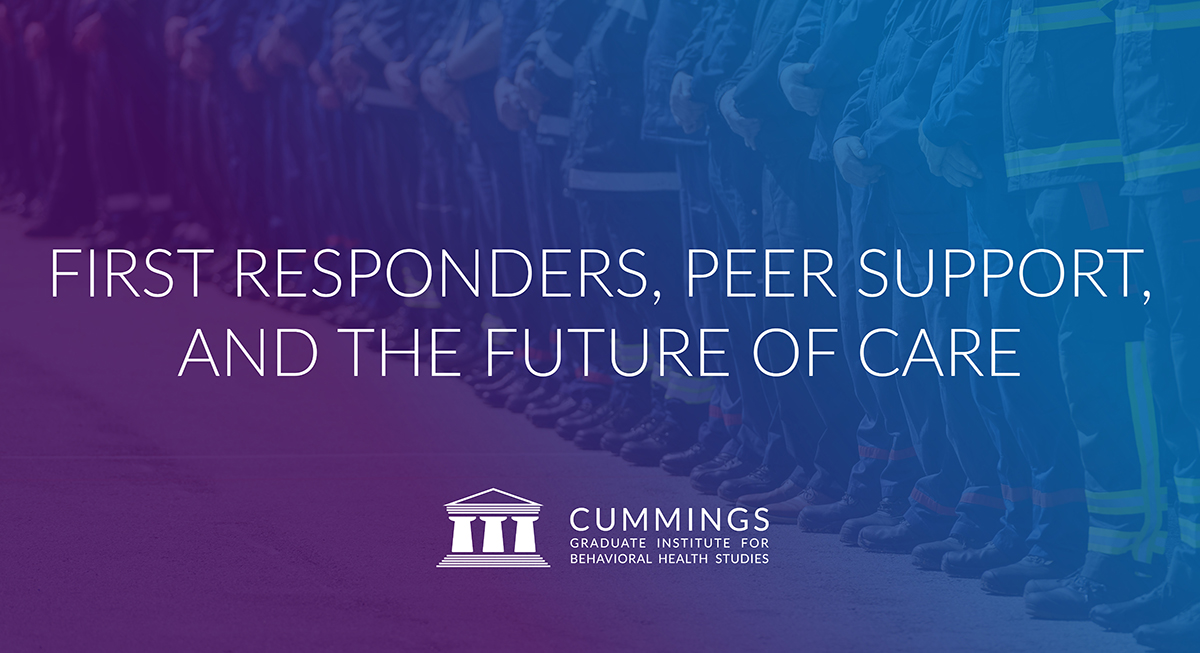
First responders standing in uniform with text reading “First Responders, Peer Support, and the Future of Care” and the Cummings Graduate Institute logo.New Podcast Episode Explores Peer Support, Mental Health, and Healing for First Responders

In the latest episode of Disruptors at Work: An Integrated Care Podcast, special host Kristine Ion-Rood, MBA, MCJ, MSCP, MS, and Doctor of Behavioral Health (DBH) student at Cummings Graduate Institute for Behavioral Health Studies (CGI), is joined by Dan Roach, MBA, MCJ, and Rev. Tammy J. Roach, co-founders of the Cornerstone Retreat Center, for a conversation about mental health care for first responders. They share how their work with first responders shaped the creation of Cornerstone Retreat Center and why peer support can be such an important part of healing. The conversation looks at post-traumatic growth, stigma, trauma education, and the need for healthcare professionals to better understand first responder culture while building stronger connections between peer support and traditional care.

Thank you to our subject matter experts:

    • Kristine Ion-Rood, MBA, MCJ, MSCP, MS
    • Dan Roach, MBA, MCJ
    • Rev. Tammy J. Roach

About the Subject Matter Experts:

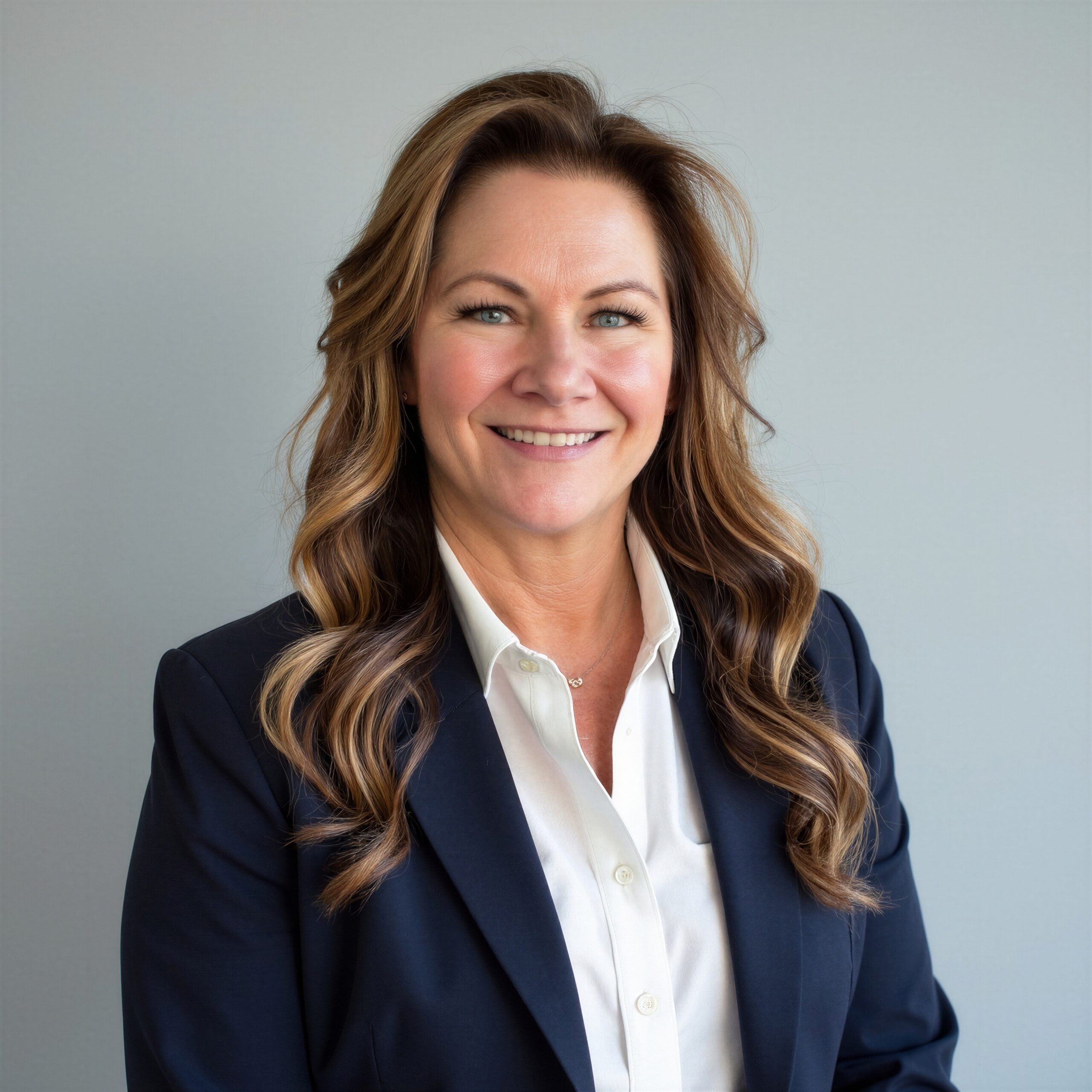
Kristine Ion-Rood, MBA, MCJ, MSCP, MS

Kristine Ion-Rood is a Doctor of Behavioral Health student, doctoral-level clinical psychologist candidate and trauma specialist based in Davenport, Iowa with advanced training in neuropsychology, psychopharmacology, and trauma-informed care. Over the past several years, she has worked across inpatient psychiatry, behavioral health systems, and first responder communities, integrating neuroscience, PTSD research, and evidence-based interventions into both clinical practice and program development. Her academic background includes graduate work at institutions such as the Illinois School of Professional Psychology at National Louis University, Cummings Graduate Institute, Harvard, and Parker University, where she focused on neurobiology, stress, and the intersection of genetics and pharmacology in mental health treatment. In addition to her direct clinical work, she is deeply involved in research and academic writing, with a particular emphasis on PTSD in first responders, epidemiology, and advanced statistical methods. She brings a structured, integrative approach to patient care that reflects her interests in spirituality, ethics, and long-term wellness, while also maintaining a strong personal commitment to fitness, nutrition, and lifelong learning. Outside of work, she enjoys strength training, and engaging with historical biographies, and documentaries, enriching her approach to lifelong learning and patient centered healing in the dynamic field of behavioral health. She embraces a holistic view of health and healing.
Dan Roach, MBA, MCJ

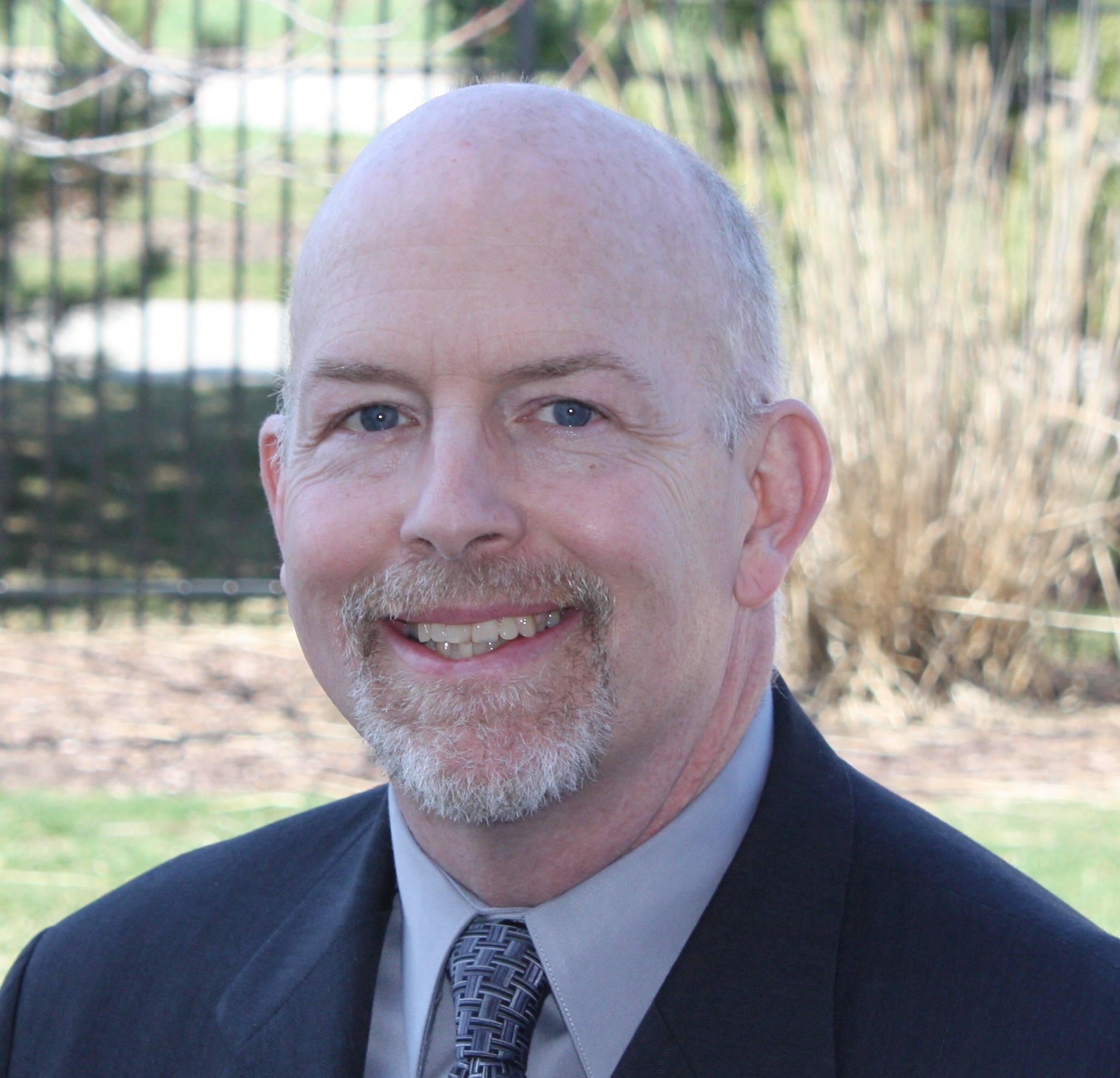
Dan worked as a law enforcement officer/executive for 31 years. He retired from the Illinois State Police as a Captain/Investigations Commander having served there for over 26 years. He then served as the Deputy Chief of the Schaumburg (IL) Police Department for five (5) years. He has extensive experience in criminal investigations, undercover narcotics/gang enforcement, homicide investigations, and officer-involved shooting investigations. Dan has a B.S. degree in Marketing (from Northern Illinois University), a Masters of Business Administration (MBA) degree from St. Ambrose University, and a Masters of Criminal Justice (MCJ) degree from St. Ambrose University. Dan attended Session 204 of the FBI National Academy in 2001. Additionally, he has extensive peer support training and holds several certifications in peer support including a graduate Certificate in Spiritual Direction from the North Park Theological Seminary.
Rev. Tammy J. Roach

Tammy is an ordained pastor who holds a Masters of Spiritual Formation, as well as a graduate certificate in Spiritual Direction. She is the Operations Director and Chaplain at Cornerstone Retreat Center for 1st Responders and their families, a not-for-profit she co-founded with her husband Dan. CRC provides peer-to-peer preventative and restorative wellness services, education, and support to First Responders and their families to help them thrive beyond the call. Tammy and Dan have been married for over 26 years and together they have journeyed through the ups and downs of a LE Career. Now, they are on a mission to help 1st Responders, and their families live better and serve better.

Testimonials

As a member of the AAPI community, I’m very familiar with the barriers to mental health services and the need to break through the glass wall of cultural stigma that prevents many from receiving potentially life–saving treatment. I was the only Asian American person in my master’s cohort, the only Asian American person in many of my clinical work settings, the only Asian American person to walk into many of the professional settings that I pushed myself to show up to. In my current practice, I’m constantly reminded by my patients of how difficult it is to find an Asian American mental health provider, though this reminder constantly informs me that more needs to be done for my community. Day after day, I read stories of Asian American people who die by suicide as a consequence of our culture’s avoidance of mental health topics. As a DBH, my biggest goal is to use my expertise in whole–person care to amplify the conversation around mental health and help my community understand that mental healthcare is not a privilege that we are not entitled to, it is a crucial part of our healthcare that will manifest differently in us than what many Western psychology or psychiatry textbooks will describe, and that our unique experience of mental health issues are valid, important, and is time to be part of the larger conversation.

Willam Chum, LMHCDBH Candidate, Cummings Graduate Institute for Behavioral Health Studies - September 16, 2022

The Doctor in Behavioral Health (DBH) program has changed my understanding of the subject and career path. Before this academic journey, my knowledge of behavioral health was primarily theoretical, including essential ideas and methods. However, the DBH curriculum combined intense academic research with practical application, helping me understand behavioral health from multiple angles. Recognizing mental health as part of total health changed my perspective. The biopsychosocial model, which showed how biological, psychological, and social variables affect mental health, was stressed in the DBH curriculum. This comprehensive approach made me realize how complex human behavior is and how important it is to address mental health issues. Effective interventions must target the individual’s surroundings, relationships, and life experiences, not just symptoms. The curriculum also gave me enhanced evidence-based practice training to execute successful solutions. Studies methods and data analysis classes improved my critical thinking and allowed me to evaluate and apply behavioral health studies. This gave me the confidence to contribute to the field’s knowledge base through practice and research.

Dr. Rhea Hill, DBH, LPCDBH Alumna, Cummings Graduate Institute for Behavioral Health Studies - February 17, 2025

This program will change how you present to the world, not just as a professional but as an individual. Understand this is work but the work is worth it and the journey is undeniably transformative. If you are seeking a doctorate for the title, this is not the program for you. If you are seeking a doctorate to interrupt and disrupt the course of healthcare, then this is the program for you. You won’t find a more supportive program with professors who are dedicated to your success and your education. This program is not about the regurgitation of information. It is about the appropriate applied application of knowledge and information to push forward and become an advocate for equitable and quality care for all.

Brandy K. Biglow LMHC, CCTP, QSDBH Candidate, Cummings Graduate Institute for Behavioral Health Studies - February 5, 2024

The Doctor of Behavioral Health (DBH) program has definitely transformed my understanding of behavioral health. Understanding the links between physical and mental health has taught how to make better treatment decisions. The DBH program has also given me insights that otherwise would not be possible and allows me to view individuals through a lens that I was previously ignorant of. This program has helped me grow into a more confident individual, provider, and parent.

Cory H. Cannady, BCBA, LBADBH Candidate, Cummings Graduate Institute for Behavioral Health Studies - March 13, 2024

The DBH program has reinforced my vision of viewing behavioral health (BH) as an integrated component of the healthcare system rather than a siloed service. As a practitioner in the focused BH realm of substance use disorder (SUD) treatment, I observe on a regular basis how identifying and serving SUD patients is often missed, ignored and stigmatized in primary healthcare, despite the fact that early intervention at these check-points often has the potential to intervene earlier and lessen the negative SUD outcomes frequently seen by the time a patient reaches specialty SUD services. Reinforcement received in my DBH program has motivated me to promote integration as a leader in my workplace and is a primary factor in considering the long-term trajectory of my individual career path.

Kenneth L. Roberts, MPS, LPCC, LADCDBH Candidate, Cummings Graduate Institute for Behavioral Health Studies - November 5, 2024

Graduating from the DBH program has influenced and enhanced my approach to addressing behavioral health challenges and making a difference in the field by preparing me to become a serious business owner. Through the DBH program, I understand now that becoming a business owner not only assists me in reaping the financial benefits of working for myself, but the program also offers me a sense of freedom to make a difference in an individual’s life.

Dr. Rebecca K. Wright, DBH, LBA, BCBA, QBADBH Alumna, Cummings Graduate Institute for Behavioral Health Studies - December 18, 2024

I have always wanted to pursue a higher degree but never found a program that met my needs. When I investigated the DBH program, I can honestly say I was excited. It was a program that would expand my knowledge in behavioral health but also how it relates to physical health. The philosophy of treating the whole person was exactly what I was looking for.

Elizabeth Nekoloff, M.Ed., LPCC-S, NCCDBH Candidate, Cummings Graduate Institute for Behavioral Health Studies - January 16, 2025

Prior to obtaining my DBH, I practiced behavioral health within the boundaries of behavior analysis. The DBH degree has given me the ability to broaden my scope of competence allowing me to provide a higher quality of care to my clients through a person-centered approach, while still staying within my scope of practice. I was in the beginning stages of opening my business when I enrolled in the DBH program which set my trajectory towards being a stronger leader. The program equipped me with essential healthcare leadership and entrepreneurial skills, allowing me to ensure high-quality services for my clients and foster a supportive work environment for our staff. It has also given me the confidence to expand my business and pursue other healthcare ventures, reaching a broader range of patients in need.

Dr. Pauline Tolentino Pablo, DBH, BCBA, IBADBH Alumna, Cummings Graduate Institute for Behavioral Health Studies - January 21, 2025

Although I have worked with many patients who have mental health diagnoses, or behaviors which make managing their medical diagnoses and day to day life difficult, the DBH program at CGI is broadening that knowledge and providing a deeper understanding of behavioral health and how best to help these individuals manage their health and improve their quality of life. This will allow me to provide and advocate for more meaningful and seamless integrated care, providing new tools for my intervention toolbox, and the confidence and skills to collaborate within and lead whole person focused interdisciplinary teams. I also anticipate building upon my knowledge as a nurse case manager and long time caregiver, as well as my personal passions and professional vision, learning about processes and operations, to be in position to start up and lead my own company one day, offering the services and care I know every person should have access to.

Hollie Wilson, MSN, RN, CCMDBH Candidate, Cummings Graduate Institute for Behavioral Health Studies - February 11, 2025

The DBH program will open opportunities for me to contribute to healthcare system innovation, particularly through trauma-informed care and integrated behavioral health settings. I will be better positioned to advocate for and implement holistic care models that improve health outcomes for underserved populations. Ultimately, this program will help me transition into higher-level roles, such as a director or consultant in behavioral health, where I can influence broader system changes and contribute to the future of healthcare delivery.

DeKyn Rashad Peters, MPH-CHES,BSW/BA,APCDBH Candidate, Cummings Graduate Institute for Behavioral Health Studies - March 4, 2025

Accreditation & Affiliates

Partners