Faith can be a source of comfort, belonging, and healing. But for some people, the same spaces they turn to for support can become a source of emotional and psychological harm.
That tension is at the center of “The Wounds We Don’t Ask About: Healing Religious Trauma Through Awareness and Clinical Understanding,” a poster presentation by Lois Goudeau, M.Ed, LCPC, Cummings Graduate Institute for Behavioral Health Studies Doctor of Behavioral Health student, accepted for the Illinois Counseling Association Conference taking place November 5-7, 2026 in Oak Brook, Illinois.
For Lois, the topic grew from what she was seeing in clinical practice.
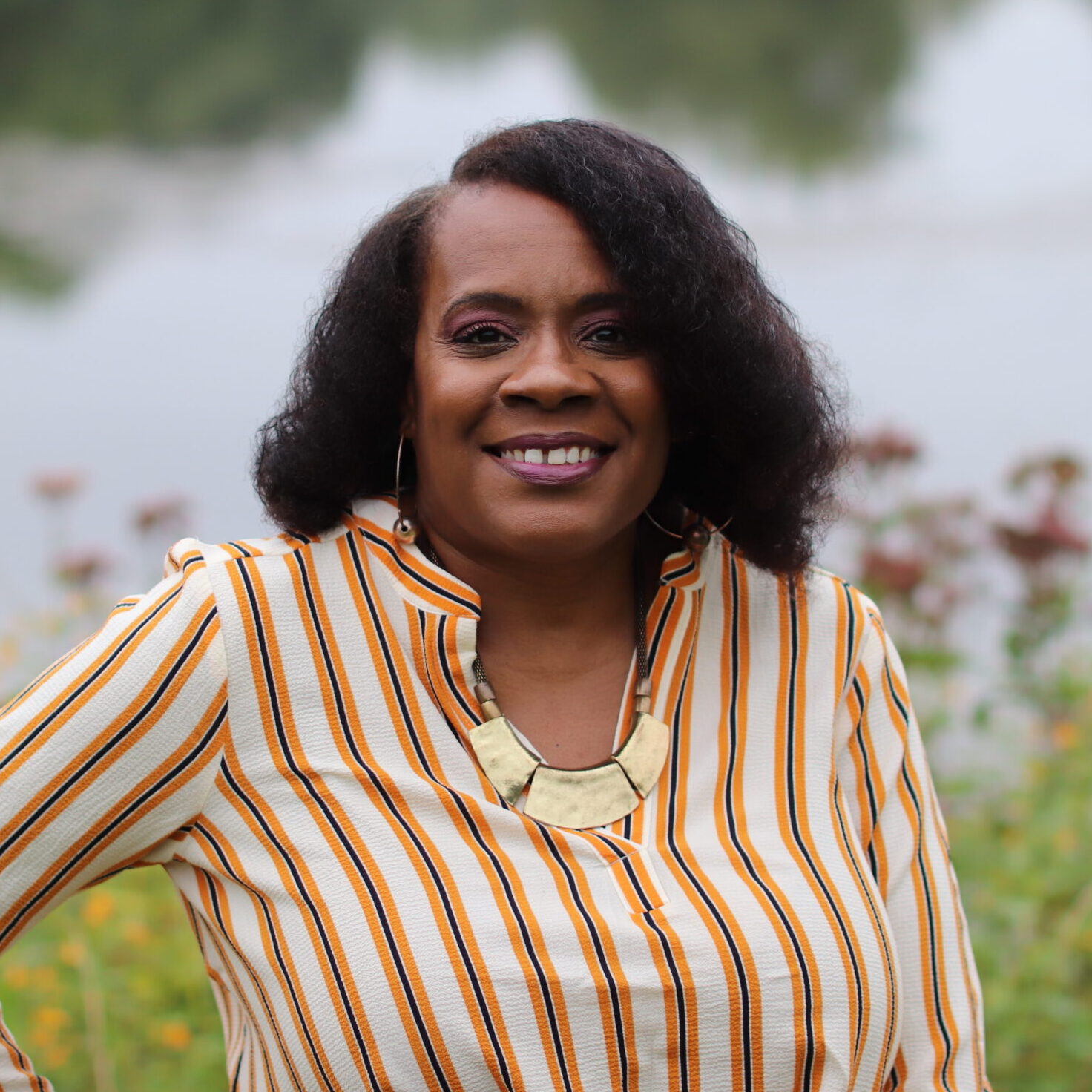
“As an LCPC in private practice and as a Christian, I have encountered quite a few individuals who have experienced religious trauma, sometimes referred to as “church hurt.” Many individuals seek refuge in faith communities expecting spiritual nourishment, emotional support, acceptance, and a sense of belonging; however, for some, these environments can become a source of significant emotional and psychological pain.”
Religious trauma can shape much more than a person’s spiritual life. It can affect mental health, relationships, identity, trust, and willingness to engage in care. For clinicians, that means religious and spiritual experiences may be an important part of understanding the whole person.
“I hope clinicians at all levels leave with a greater awareness of religious trauma and its far-reaching implications for clinical practice and integrated care.”
Her presentation encourages clinicians to look beyond symptoms and consider the broader context surrounding a person’s health.
“I want attendees to recognize that religious trauma should be viewed through a biopsychosocial-spiritual model lens because its impact can extend beyond psychological symptoms and influence a person’s physical health, emotional well-being, relationships, social functioning, sense of identity, and spiritual well-being.”
The goal is not to pathologize faith. It is to help clinicians recognize experiences that may otherwise go unnamed and understand how those experiences can affect treatment, trust, and health outcomes.
“Ultimately, I want attendees to understand that incorporating awareness of religious trauma into an integrated, whole-person approach can support more informed clinical decision-making and more responsive care.”
If whole-person care means understanding the experiences that shape health, then religious trauma cannot remain outside the conversation. Recognizing it is one more way clinicians can better understand the person in front of them and respond with greater awareness, respect, and care.
Lois Goudeau, M.Ed, LCPC
Lois Goudeau is a Licensed Clinical Professional Counselor in Illinois, Indiana, and Mississippi, bringing 25 years of combined experience in education and mental health. She spent 15 years as an educator, serving in both special education and early childhood education, and she has worked as a mental health counselor for 10 years. And, for the past eight years, she has also led her own private practice, NuVisions Transformative Wellness, LLC, where she continues to support individuals and families with care that’s compassionate, grounded, and deeply informed by her years in the field. She has supported individuals and families from diverse backgrounds in navigating the complexities of mental and emotional well-being. She holds three master’s degrees; Family Studies, Special Education, and Counseling. As a current Doctorate in Behavioral Health candidate, she remains deeply committed to integrating mental health with holistic care. Her work reflects a belief that everyone deserves to live with clarity, purpose, and peace. Alongside clinical practice, she has facilitated workshops for entrepreneurs and faith-based communities on topics such as workplace stress and mental health in the church, and she has spoken on WYCA-Talk Radio to advocate for breaking the stigma surrounding mental health. Beyond counseling, she extends her impact through writing with her Threads of Hope Books collection, which centers on healing, resilience, and emotional connection. Each book offers readers support during life’s transitions: Her award winning book, Finding Henry’s Smile introduces children to grief and loss with compassion, Take a Deep Breath, Relax, Cuz You Got This! provides blended families with tools to thrive together, and Holding Space for Yourself guides readers through 60 days of self-reflection and growth. Whether through therapy, workshops, or storytelling, her mission is to uplift, guide, and empower individuals and families as they navigate change, loss, or new beginnings.